
Top Emergency HVAC Services in Sylva, NC, 28779 | Compare & Call


Comfort Control Mechanical Contractors
Comfort Control Mechanical Contractors, Inc. is a locally owned and operated HVAC provider serving Sylva, Jackson County, and surrounding areas since 2006. As a Bryant Factory Authorized Dealer, they ...
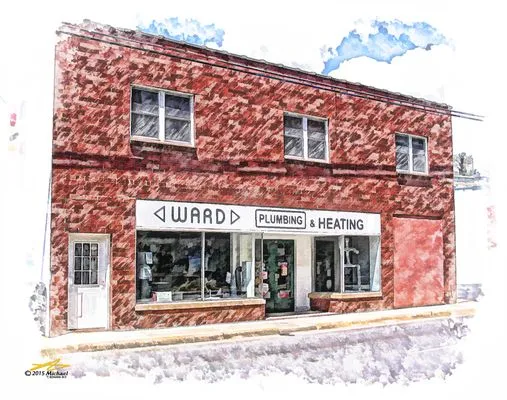
Ward Plumbing, Heating & Air has been a trusted fixture in Sylva and Western North Carolina since 1977. As a fully licensed and insured plumbing and HVAC business, we treat every customer like family,...

Geno Air Conditioning & Heating is a trusted HVAC company serving Sylva, NC, and surrounding communities. We specialize in diagnosing and repairing common local HVAC problems that homeowners face, suc...
Maney's Heating & Air is a trusted, locally-owned HVAC contractor serving Sylva and the surrounding Jackson County communities. We understand the unique challenges homeowners face here, particularly w...
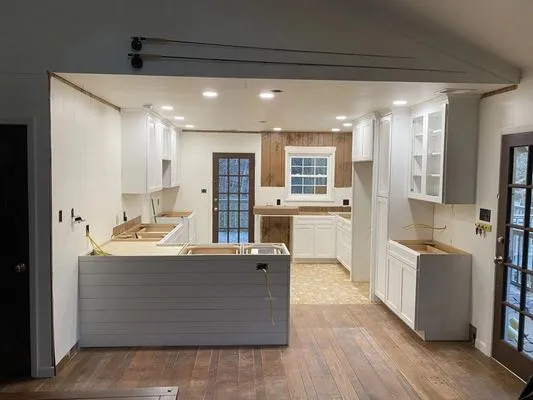
Appalachia Construction Services
Appalachia Construction Services is a family-owned general contractor based in Sylva, NC, specializing in custom home builds, plumbing, electrical, and HVAC services. We pride ourselves on delivering ...
Q&A
Can my old ducts handle better air filters?
Your existing fiberboard and galvanized steel ductwork often has higher internal friction. Installing a MERV-13 filter to capture April pollen and year-round particulate matter can create excessive static pressure, reducing airflow and causing the system to freeze. A technician must measure static pressure to verify your duct system can accommodate higher filtration without a redesign.
What are the new rules for installing a system?
All 2026 installations using A2L refrigerants like R-454B require a permit from the Jackson County Building Inspections Department. New safety codes mandate leak detectors, revised circuit breaker requirements, and specific tubing practices due to the refrigerant's mild flammability. Proper permitting ensures the installation meets these updated standards for occupant safety.
Why does my system keep getting clogged?
Systems in Sylva averaging from 1975 are over 50 years old. This age means original galvanized steel and fiberboard ductwork can degrade, while the cooling coil and drain pan accumulate decades of biofilm. Moderately humid air accelerates algae growth in the dark, damp condensate line, making clogs the most common failure point we see in Downtown Sylva homes.
Should I switch from electric heat to a heat pump?
Given Sylva's winter lows and Duke Energy's peak rates from 14:00 to 18:00, a heat pump is highly advantageous. It provides heat at over 300% efficiency compared to electric resistance strips. During peak hours, the heat pump's lower draw manages costs, and during milder periods, it operates far more efficiently than your current primary fuel source.
What if my system stops cooling tonight?
A sudden no-cool event requires a check of the circuit breaker and the condensate safety switch. For service in the Downtown Sylva area near the Jackson County Courthouse, our technicians route via US-23, allowing a typical 5-10 minute dispatch. We prioritize these calls to prevent indoor humidity from spiking within the hour.
My Ecobee thermostat shows an E1 alert. What's wrong?
An Ecobee E1 code signals the thermostat is not detecting a call for cooling or heating from your HVAC equipment. In Sylva, this often points to a safety lockout from a clogged condensate line triggering the float switch, or a tripped breaker on an older unit. It's a specific alert to check the drainage pan and electrical disconnect before the indoor humidity rises.
Is the new SEER2 mandate worth the cost?
The 2026 minimum of 14.3 SEER2 represents a significant efficiency jump from older units. At Sylva's average rate of $0.13/kWh, a properly sized 3-ton system meeting this standard can cut seasonal costs. The active Inflation Reduction Act rebate, with an $8,000 cap, directly offsets the upgrade investment, improving the payback period.
Why does my AC struggle on the hottest days?
Sylva's summer highs can exceed 95°F, which is above the standard 85°F design temperature for most equipment. This gap means your system runs continuously to maintain temperature, reducing its latent capacity to remove humidity. Modern units using R-454B refrigerant maintain better pressure and efficiency in these high-ambient conditions compared to older R-410A systems.
