
Top Emergency HVAC Services in Wake Forest, NC, 27587 | Compare & Call


DP & Ortez HVAC is a trusted, locally-owned heating and air conditioning company serving Wake Forest and the surrounding communities. We understand the specific challenges Wake Forest homeowners face,...

Keeping It Comfy Heating & Air
Keeping It Comfy Heating & Air was founded in Wake Forest in 2015 with a clear purpose: to provide reliable heating and air conditioning service at a fair and transparent price. We understand that HVA...

Hoff Heating and Air is a trusted, family-owned HVAC and appliance repair company serving Wake Forest, NC. We understand the common local challenges homeowners face, such as reduced cooling efficiency...
With over 35 years of dedicated service to Wake Forest and the broader Triangle area, Quick's HVAC is built on a foundation of deep local expertise and reliable craftsmanship. Owner Lee Quick leads a ...
Buzz Electric & Mechanical Services
Buzz Electric & Mechanical Services is a trusted, locally-owned provider in Wake Forest, NC, offering expert solutions for both electrical and HVAC systems. Many Wake Forest homes grapple with specifi...
For over 20 years, Fagan Heating & Air has been the trusted local HVAC expert for Wake Forest homeowners. We understand the unique challenges homes in our area face, especially the frustrating problem...
Southern Seasons Heating & Air Conditioning
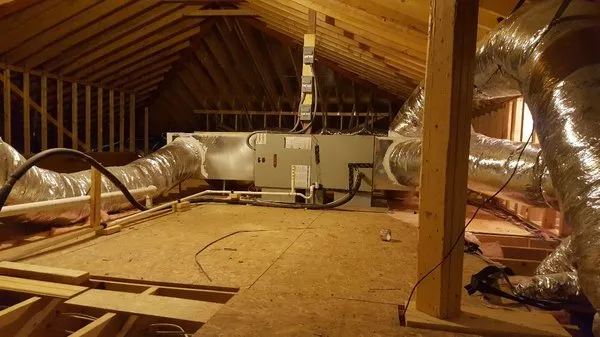
Founded by Anthony Johnson, a NATE-certified technician with over eight years of hands-on experience and an associate's degree in HVAC, Southern Seasons Heating & Air Conditioning was born from a simp...
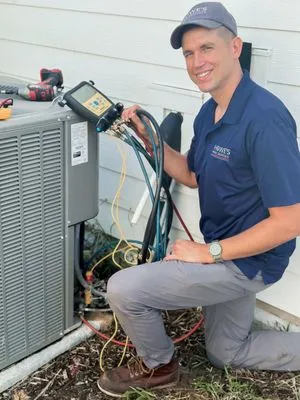
Howe's HVAC Services is a veteran-owned and operated company proudly serving Wake Forest, Raleigh, and the surrounding Triangle communities. With over a decade of industry experience, we focus on resi...
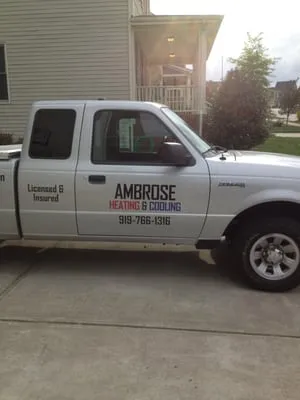
Ambrose Heating & Cooling is a locally owned and operated HVAC company in Wake Forest, founded by Chris. With 18 years of hands-on experience that began as a laborer, Chris progressed through every ro...
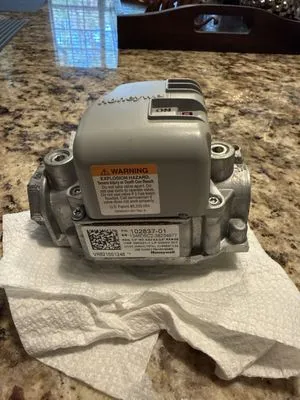
Casey Services HVAC is a family-owned Wake Forest business with deep local roots, established in 1972. Owner Dean, a Wake Tech graduate, holds an H-3, Class 1 North Carolina mechanical license and is ...
Common Questions
What efficiency standards apply to new HVAC systems in Wake Forest for 2026?
The 2026 federal minimum is 14.3 SEER2 for Wake Forest's 91°F design temperature. Systems meeting this standard reduce energy use by 15-20% compared to 2006 models. With Duke Energy Progress rates at $0.13/kWh, a properly sized 3-ton system can save $300-400 annually. The Inflation Reduction Act provides rebates up to $8,000 for qualifying high-efficiency installations, making upgrades financially practical.
How does Wake Forest's summer heat affect HVAC performance?
Wake Forest regularly exceeds its 91°F design temperature, creating a performance gap where systems must work harder. The R-454B refrigerant standard for 2026 maintains better efficiency at high temperatures than older refrigerants. Proper sizing through Manual J load calculations prevents short-cycling during heat waves. Adequate attic ventilation and duct insulation help systems maintain the 18-22°F delta T needed for effective cooling in our climate.
What permits and safety standards apply to new HVAC installations in Wake Forest?
The Town of Wake Forest Inspections Department requires permits for all HVAC replacements. For 2026 installations using R-454B refrigerant, technicians must follow A2L safety standards including leak detection systems and proper ventilation. These refrigerants have lower flammability than propane but require specific handling certifications. Proper documentation of refrigerant charge and system testing is mandatory for both permit approval and Inflation Reduction Act rebate qualification.
Should I consider switching from gas heat to a heat pump in Wake Forest?
Wake Forest's mild winters with lows around 30°F make heat pumps practical for most homes. Modern cold-climate heat pumps maintain efficiency down to 5°F. Pairing with Duke Energy Progress's Smart Saver program (up to $400 rebate) and shifting usage away from 13:00-18:00 peak hours maximizes savings. The Inflation Reduction Act rebates make dual-fuel systems combining heat pumps with existing gas backup financially attractive for Heritage homeowners.
My air conditioning stopped working during a Heritage heatwave. How quickly can a technician arrive?
A technician can typically reach Heritage homes within 10-15 minutes from E. Carroll Joyner Park via US-1. For a no-cool emergency, we first check the condensate drain line for algae clogs, which are common in Wake Forest's humidity. Quick dispatch prevents secondary damage from moisture overflow. We keep common parts for 2006-era systems on our service trucks to minimize repair time.
Can my Wake Forest home's HVAC handle better air filtration for ozone and pollen?
Wake Forest's April pollen peak and ozone risk make MERV-13 filtration valuable for indoor air quality. Your flexible R-6 insulated ductwork may handle MERV-13 filters, but requires static pressure testing first. Oversized filters can restrict airflow in older duct systems. A professional can measure static pressure and recommend appropriate filtration that balances air quality with system performance in Heritage's humid environment.
My Ecobee thermostat shows an E1 error code. What does this mean for my Wake Forest system?
An Ecobee E1 alert indicates a communication failure between the thermostat and HVAC equipment. In Wake Forest's humid climate, this often points to condensate overflow triggering a safety switch. Check the drain line for algae clogs first. If clear, the issue may be a failing control board or wiring corrosion from humidity. This specific error prevents system operation regardless of temperature settings, requiring professional diagnosis.
My 2006-built Wake Forest home has its original HVAC system. Should I be concerned about its age?
A 20-year-old system in Wake Forest is at the end of its expected service life. Units from the mid-2000s often develop condensate drain line clogs due to algae growth, especially in Heritage's humid climate. The flexible R-6 insulated ductwork from that era may have settled or developed leaks. Regular maintenance can extend operation, but efficiency drops significantly after 15 years, making replacement worth considering before complete failure.
