
Top Emergency HVAC Services in Washington, NC, 27817 | Compare & Call

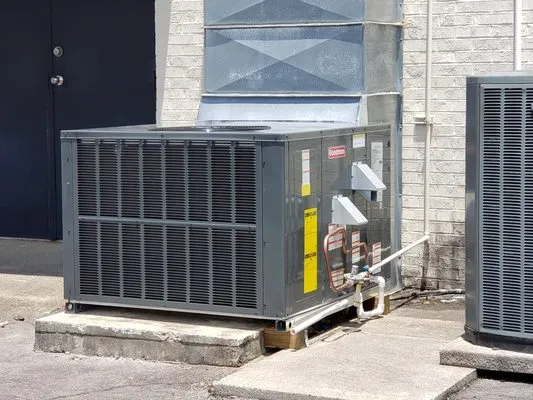
East Coast Heating and Air Conditioning has been a trusted name in Washington, NC, and surrounding communities since 1988. Founded by Donald Dixon, who brings over 38 years of hands-on HVAC experience...
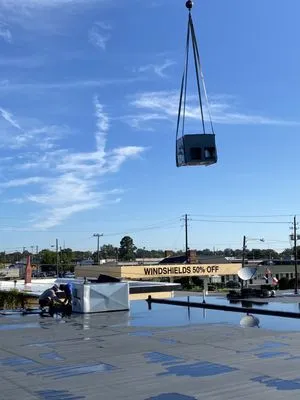
Service Plus HVAC is a locally owned and operated Washington, NC, business built on family, experience, and community. Owner Jacob Turner, a Washington native, transitioned from welding HEPA filtratio...
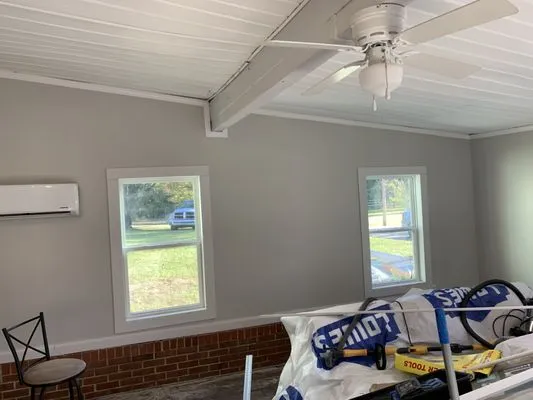
Ep!k Home Remodeling & Hvac
Ep!k Home Remodeling & HVAC is a family-owned business serving Washington, NC, and the surrounding communities. We specialize in a comprehensive range of home services, from skilled HVAC installation,...
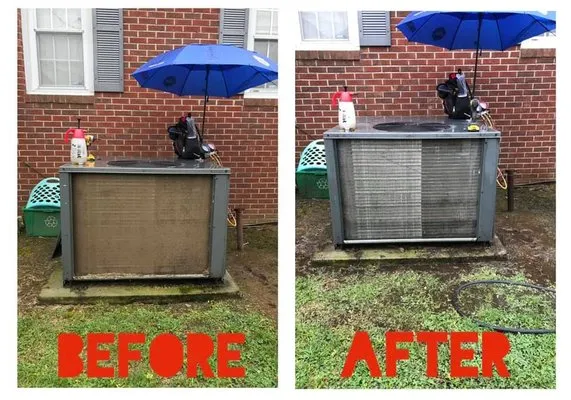
EMI Heating & Cooling is a family-owned, veteran-operated HVAC company serving Washington, NC, and Eastern North Carolina. Founded on principles of reliability, clear communication, and integrity, the...
Air Source Heating & Cooling is a trusted, locally-owned HVAC company serving Washington, NC, and the surrounding Pamlico County area. We specialize in keeping your home comfortable year-round by addr...
Friend's Mechanical is your trusted local HVAC specialist serving Washington, NC, and the surrounding Pamlico County area. We understand the unique challenges homes and businesses face here, from stub...

Advanced Air Solutions Systems Inc. is a trusted HVAC provider serving Washington, NC, and the surrounding communities. We offer reliable heating and cooling installation, maintenance, and repair for ...
Roberson Heating & Air Conditioning
Roberson Heating & Air Conditioning is Washington, NC's trusted HVAC specialist, providing reliable repair services to keep local homes comfortable year-round. We understand the specific challenges ho...
Little's Heating & Air Conditioning
Little's Heating & Air Conditioning is a trusted, family-owned HVAC contractor serving Washington, NC, and the surrounding Pamlico County area. We specialize in diagnosing and repairing the common loc...
Cox's Plumbing Service
Cox's Plumbing Service has been a trusted local provider in Washington, NC, and the surrounding communities since 1964. As a family-owned and state-licensed business, we specialize in comprehensive pl...
Frequently Asked Questions
What should I do if my air conditioning stops working during a Downtown heatwave?
First check your thermostat settings and circuit breakers, then call for service. From our location near Festival Park, we can reach most Downtown addresses via US-17 within 5-10 minutes during business hours. Emergency no-cool calls receive priority dispatch, especially when temperatures approach the 91°F design limit. Quick response prevents indoor humidity from spiking and protects sensitive electronics from heat damage.
Can my existing ductwork handle better air filtration for pollen and ozone?
Fiberboard and flex duct systems common in Washington homes often struggle with MERV-13 filters due to static pressure limitations. April pollen peaks combined with summer ozone risk create dual filtration challenges. A professional static pressure test determines if your ductwork can accommodate higher MERV ratings without reducing airflow. Many homes require duct sealing or modifications before upgrading filtration, particularly in humid environments where airflow balance is critical.
Why do older HVAC systems in Washington, NC often fail at the condenser coils?
The average Washington home was built in 1972, making many HVAC units over 50 years old. Salt air from the Pamlico River accelerates corrosion on aluminum condenser coils, a process that compounds over decades. Older systems lack modern protective coatings and were designed before salt air mitigation became standard. This combination of age and environmental exposure makes coil failure the most common repair for vintage equipment in coastal neighborhoods.
What does an Ecobee E1 error code mean for my Washington home's HVAC system?
An Ecobee E1 alert indicates the thermostat isn't detecting proper equipment operation, often due to communication loss with the HVAC unit. In Washington's humid climate, this frequently signals condensate overflow triggering a safety switch or salt air corrosion affecting control board connections. The error helps prevent compressor damage by shutting down the system before serious harm occurs. Immediate diagnosis preserves system components that are particularly vulnerable to coastal environmental factors.
What permits and safety standards apply to new HVAC installations in Washington?
The City of Washington Inspections Department requires permits for all HVAC replacements, with specific 2026 standards for A2L refrigerants like R-454B. New installations must include leak detection systems, emergency ventilation, and proper refrigerant charge documentation. These protocols address the mild flammability of A2L refrigerants while maintaining their environmental benefits. Compliance ensures system safety and eligibility for Inflation Reduction Act rebates that require permitted, code-compliant installations.
Should I switch from electric heat to a heat pump in Washington, NC?
Washington's mild winters and 14:00-18:00 peak utility rates make heat pumps economically favorable. Modern cold-climate heat pumps maintain efficiency down to 5°F, well below our typical lows. The switch from resistance electric heat to heat pump technology can cut heating costs by 50-60% while providing year-round comfort. Duke Energy Progress offers $300 rebates through their Home Energy Improvement Program, further improving the return on investment.
How do the 2026 SEER2 standards affect my utility bills in Washington?
The 14.3 SEER2 minimum represents a 15% efficiency improvement over previous standards. At Washington's 0.13/kWh rate, upgrading from a 10 SEER system to 16 SEER2 saves about $300 annually on cooling. The Inflation Reduction Act provides up to $8,000 in rebates for qualifying installations, making the payback period surprisingly short. These standards specifically address the high humidity and cooling demands of coastal North Carolina climates.
Why does my air conditioner struggle on the hottest Washington summer days?
Washington's 91°F design temperature represents the peak condition your system should handle efficiently. When temperatures exceed this threshold, R-454B refrigerant systems experience reduced capacity and higher head pressures. Modern A2L refrigerants like R-454B maintain better performance at extreme temperatures than older R-410A, but all systems lose efficiency above their design limit. Proper sizing through Manual J calculations prevents chronic underperformance during heat waves.
