
Top Emergency HVAC Services in Youngsville, NC, 27596 | Compare & Call


For over 40 years, BP Mechanical has been the trusted local choice for heating and air conditioning in Youngsville, NC. Founded on reliable service and word-of-mouth recommendations, we specialize in ...
Elite Mechanical Heating & Cooling was founded in 2023 by local technicians who saw a need for honest and reliable HVAC service in Youngsville. Built on a foundation of integrity, the company quickly ...

King's Mechanical is a licensed HVAC service provider based in Youngsville, NC, serving residential and commercial clients throughout Youngsville, Wake Forest, Raleigh, and Franklinton. With years of ...
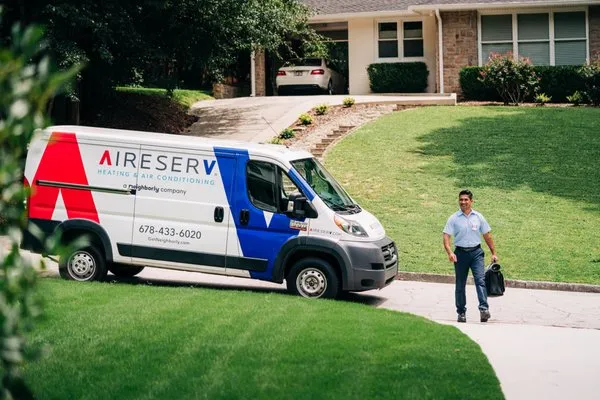
Aire Serv of Wake Forest
With roots in the community dating back to 1996, Aire Serv of Wake Forest is built on David's extensive background in HVAC. His career spans from commercial process cooling to maintaining precise envi...
Herd's Heating And Air Conditioning is a trusted HVAC contractor based in Youngsville, NC, serving the Triangle area including Raleigh and Wake Forest. We provide comprehensive heating and air conditi...

Alton's HVAC is a trusted heating and air conditioning service provider based in Youngsville, NC, dedicated to keeping local homes comfortable year-round. We specialize in diagnosing and resolving com...
American Pride Home Services
American Pride Home Services is a family-owned and veteran-operated business proudly serving Youngsville and the surrounding communities. Founded by Kevin Halbig, a former U.S. Marine with over 30 yea...
North Raleigh Air is a family and veteran-owned HVAC service provider proudly serving Youngsville and the wider Triangle area. With over three decades of combined experience, our team is led by a deco...
NC Express Heating and Cooling
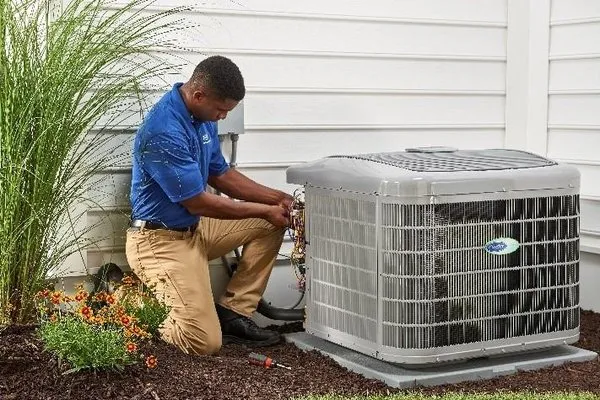
NC Express Heating and Cooling is a licensed and bonded HVAC company serving Youngsville and the broader Triangle area, including Wake and Johnston Counties. We specialize in HVAC installation, repair...
Mechanical HVAC Services is your trusted, local partner for heating and cooling in Youngsville, NC. We understand that many homes in our community are equipped with aging HVAC systems, which can lead ...
Q&A
Can my home's ductwork support a better air filter for spring pollen and ozone days?
Flexible ductwork common in Youngsville homes requires careful assessment before installing a high-MERV filter. A MERV-13 filter is excellent for capturing April pollen and mitigating ozone-related particulates, but it increases static pressure. An undersized or poorly laid flex duct system may not handle the restriction, reducing airflow and causing the system to freeze or overheat. A static pressure test is advised before upgrading.
I use electric heat. Should I consider switching to a heat pump for our Youngsville winters?
A heat pump is a highly efficient replacement for standard electric resistance heat. Even with Youngsville's winter lows, modern cold-climate heat pumps provide effective heating down to near 0°F. Operating the heat pump during off-peak hours, outside Duke Energy's 1-6 PM peak window, maximizes savings. This transition qualifies for substantial rebates and drastically reduces heating costs compared to straight electric strip heat.
My air conditioner is from when the house was built. Should I be concerned about its age?
A system installed in 2002 is now 24 years old, which is beyond its typical service life. In Youngsville's humid climate, the primary failure point for units this age is condensate drain blockage. Decades of algae and biological growth inside the drain pan and line can cause water leaks and system shutdowns. Proactive cleaning is a temporary fix, but the plastic components and seals throughout the system are now brittle and prone to failure.
Why does my AC struggle to keep the house cool on the very hottest days of summer?
HVAC systems are engineered to a specific design temperature, which for Youngsville is 91°F. On days that exceed this, the system cannot maintain the typical 20-degree delta T (temperature drop) and will run continuously. Modern systems using R-454B refrigerant are designed for better high-ambient performance than older R-410A units, but all systems have a capacity limit based on this fixed engineering parameter.
What should I know about permits and safety for a new AC installation in 2026?
All installations in Youngsville require a permit from the Town of Youngsville Planning and Zoning Department. Since January 2023, new residential systems must use lower-GWP A2L refrigerants like R-454B, which are mildly flammable. This mandates compliance with updated 2026 safety standards (UL 60335-2-40), requiring specialized leak detectors, revised clearance distances, and updated labeling that your installer must follow for a legal and safe installation.
Our AC stopped cooling on a hot afternoon in Downtown Youngsville. How fast can a technician get here?
For a no-cool emergency, a technician can typically be dispatched from our service area near Luddy Park within 10 minutes. Travel via US-1 allows for direct access to Downtown Youngsville neighborhoods. We prioritize these calls to prevent heat buildup and humidity intrusion, aiming for a 5-10 minute response window to begin diagnostics on-site.
My Ecobee thermostat is showing an 'E1' alert. What does this mean for my system?
An Ecobee E1 alert indicates the thermostat is not detecting a call for cooling or heating from your HVAC equipment. In Youngsville, this often points to a safety lockout on the air handler or condenser unit, commonly triggered by a clogged condensate drain switch, a tripped breaker, or a failed control board. It's a diagnostic signal to check the equipment directly, not just the thermostat, to resolve the communication failure.
Is it worth replacing my old AC with a higher-efficiency model given current electricity costs?
Yes, the math strongly favors replacement. The current federal minimum standard is 14.3 SEER2, but modern systems easily achieve 18 SEER2 or higher. At Youngsville's average rate of $0.13 per kWh, the annual savings are significant. The active Inflation Reduction Act rebates, with a cap of $8,000 for qualified heat pump installations, can offset a major portion of the upgrade cost, improving the return on investment.
