
Top Emergency HVAC Services in Columbus, NE, 68601 | Compare & Call


Beard-Warren Heating & Air Conditioning
Beard-Warren Heating & Air Conditioning is a trusted HVAC company serving Columbus, NE, and the surrounding communities. We specialize in diagnosing and resolving common local HVAC issues that many Co...
Dubas Refrigeration is your Columbus-based HVAC specialist, focused on the comfort and health of your home. We understand that Nebraska's seasons and local allergens can challenge your indoor air qual...
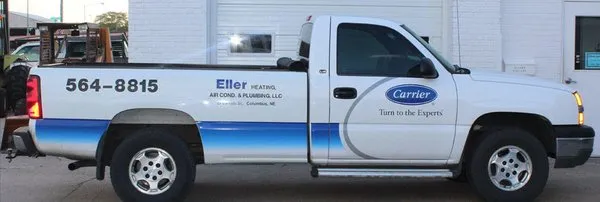
Eller Heating, Air Conditioning & Plumbing
Since 1952, Eller Heating, Air Conditioning & Plumbing has been a trusted partner for Columbus, NE families and businesses, providing reliable comfort solutions. You'll be glad you chose Eller's—we gu...

For over 50 years, Van Diest Heating & Air has been a trusted name for heating and air conditioning solutions in Columbus, NE. As a family-owned and operated business, we bring professional engineerin...
Diamond Heating & Air Conditioning is your trusted local HVAC expert in Columbus, NE. We understand that Columbus homeowners often face frustrating HVAC issues like smart thermostat malfunctions and a...

Since 1981, Air Comfort Heating & Cooling has been a trusted name in Columbus, NE. Our story began as Bosco Repair, founded by Bart Bosco to serve the local community. Over decades, we've grown and ev...
Holmberg Heating & Air is your trusted, local HVAC expert in Columbus, NE. We specialize in diagnosing and repairing the common heating and cooling problems that homeowners in our community face, such...
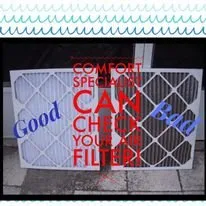
Comfort Specialist was founded in Columbus in January 2000, born from a goal set during HVAC training to open a local business within five years. That dream became a reality in just four. As a dedicat...
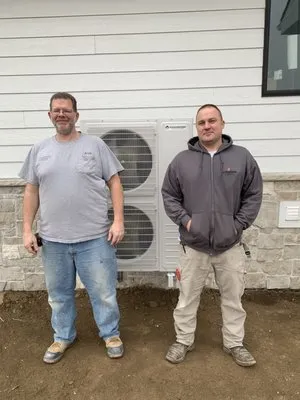
Columbus Heating & Air Conditioning is your local, trusted provider for comprehensive HVAC solutions in Columbus, NE. We specialize in the professional installation, service, and repair of furnaces, a...
Q&A
Can my home's ductwork handle better filters for pollen and dust?
Higher MERV-13 filters are excellent for capturing Columbus's May pollen peak and particulate matter, but they increase static pressure. Your existing galvanized steel ductwork is generally robust, but its design from the 1970s may not accommodate the added restriction without causing airflow issues for a modern blower motor. A technician should measure your system's static pressure to confirm capacity; often, sealing leaky duct joints is a prerequisite to safely upgrading filtration without sacrificing performance or causing freeze-ups.
What does the new 14.3 SEER2 minimum mean for my Columbus bill?
The 14.3 SEER2 federal minimum effective in 2026 represents a significant efficiency jump from older 13 SEER units. For a typical 3-ton Columbus home, this can reduce cooling electrical consumption by roughly 15-20%. At the local Loup Power District rate of $0.11 per kWh, annual savings are tangible. When paired with the active Inflation Reduction Act rebates of up to $8,000 for qualifying heat pump installations, the upgrade's payback period becomes very compelling.
My air conditioner stopped on a hot day Downtown. How fast can you get here?
A no-cool emergency requires immediate diagnosis to prevent secondary compressor damage. Our service vehicle stationed near Pawnee Park can typically access any Downtown Columbus address via US-81 within 5 to 10 minutes. This rapid dispatch allows a technician to quickly assess whether the issue is a simple capacitor failure, a tripped breaker, or a more complex refrigerant leak, restoring cooling before the indoor temperature climbs excessively.
Will a new AC unit keep up during our hottest summer days?
Columbus systems are engineered to a 92°F design temperature, which accounts for the majority of summer hours. While actual temperatures can briefly exceed this, a properly sized 3-ton unit using modern R-454B refrigerant will maintain a stable delta T (temperature drop) and continue to dehumidify effectively. R-454B has thermodynamic properties well-suited to this humid continental climate, maintaining efficiency and capacity closer to its rated performance during peak heat compared to older refrigerants.
My Ecobee thermostat is showing an 'E1' alert. What's wrong?
An Ecobee E1 error indicates the thermostat has lost communication with your HVAC equipment. In Columbus, this is often traced to a safety lockout on the furnace control board due to a recurring issue, such as a faulty flame sensor on your gas system or a high-pressure switch trip on the AC. It can also signal a power interruption at the air handler. This alert prevents the system from running to avoid damage, requiring a technician to diagnose the root cause at the equipment itself, not just the thermostat.
I have gas heat. Is switching to a heat pump a good idea here?
For Columbus, a cold-climate heat pump is a viable primary heating source, especially with the current federal rebates. While winter lows can challenge the efficiency of standard models, modern units maintain significant capacity below freezing. The key is sizing the backup electric heat strips correctly and managing their use during Loup Power District's peak hours from 4 PM to 8 PM. For many homes, the hybrid system—a heat pump paired with the existing gas furnace as backup—optimizes comfort and operating cost.
What are the rules for installing a new AC with the new refrigerant?
Any installation using R-454B, an A2L mildly flammable refrigerant, must adhere to the 2026 editions of the NEC, IECC, and UL 60335-2-40 safety standards. In Columbus, the City Building and Zoning Department requires permits for HVAC replacement to ensure code compliance. These standards mandate specific leak detection, equipment labeling, clearance distances, and technician EPA Section 608 certification for handling A2Ls. Proper permitting validates that the installation meets these critical safety protocols for your home.
My system in Columbus is old. Should I just keep fixing it?
A home built around 1972 likely has a unit installed in the 2000s, placing it at a high-risk age of 20+ years. In the humid continental climate here, the primary cooling coil and galvanized steel ductwork have endured decades of thermal expansion and acidic condensate. This age makes the system highly susceptible to the two most common failures: condensate line freezing from restricted airflow and eventual blower motor bearing wear. Proactive replacement often proves more cost-effective than repeated repairs on such an aged assembly.
