
Top Emergency HVAC Services in Eagle, NE, 68347 | Compare & Call

There are 21 hvac companies server in Eagle NE
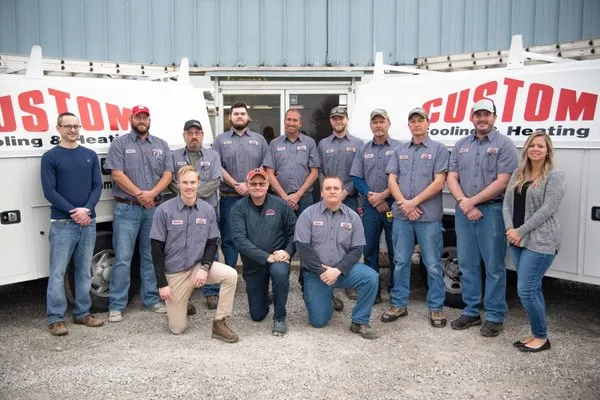
Custom Cooling & Heating, INC has been a trusted HVAC partner for Lincoln families since 1982. Founded on principles of quality, value, and honesty, the company has grown from a two-person operation t...
Bishop Plumbing & Heating
For over 45 years, Bishop Plumbing & Heating has been the trusted, family-owned plumbing and HVAC contractor for Nebraska City and the surrounding area. Established in 1976, we are a fully licensed, i...
Titan Heating and Air is Elmwood, NE's trusted partner for home comfort. We specialize in the full range of HVAC services, from professional installation and repair to preventative maintenance. For El...

Bill's Heating & Air Conditioning is a third-generation, family-owned Lincoln business with roots dating back to 1952. Owner Bill Hildenbrand, who started in the trade by sweeping floors and hauling s...
All Pro Heating and Air Conditioning
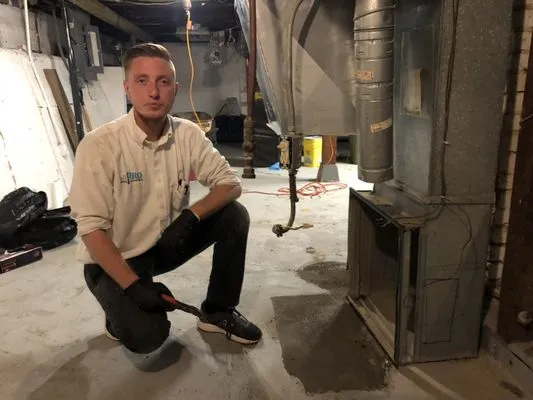
All Pro Heating and Air Conditioning has been a trusted local HVAC provider in Lincoln since 2008. We are dedicated to helping homeowners maintain comfortable and efficient homes with reliable heating...
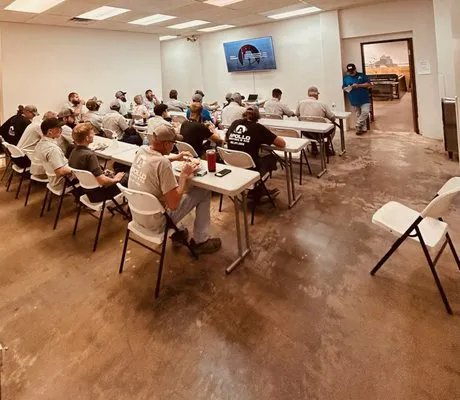
Apollo Heating & Air has been a trusted, family-owned HVAC partner for Bellevue and the greater Omaha metro since 1971. We specialize in Lennox heating and cooling systems, offering expert installatio...
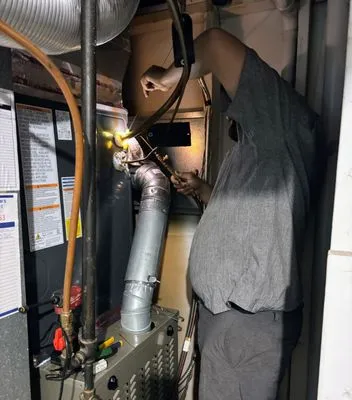
Polar Air Heating and Cooling is a trusted, family-owned HVAC company serving Omaha, NE, and the surrounding communities. With over a decade of experience, our team is dedicated to providing reliable ...
Pure Comfort has been a trusted name in Lincoln's HVAC community for over 25 years. As a fully licensed and insured contractor, we specialize in providing reliable heating and cooling solutions tailor...
Select Heating & Air
Select Heating & Air is a trusted, family-owned business serving Lincoln, NE. Founded by Chris Caudy and Josh Shoemaker with over 14 years of local plumbing expertise, the company has expanded to offe...
Henson Heating & Cooling was born from a partnership between friends who shared a vision of reliable, community-focused HVAC service. Founded in 2015 and proudly serving Papillion since 2017, our root...
Estimated HVAC Service Costs in Eagle, NE
Question Answers
My Ecobee thermostat is showing an E1 alert. What does this mean for my system?
An Ecobee E1 alert indicates the thermostat has lost communication with your HVAC equipment. In Eagle, this is frequently caused by a condensate safety switch being triggered, which cuts power to the indoor unit to prevent water overflow. First, check the drain pan for water and clear the PVC condensate line, as our humid climate promotes rapid algae growth. If the line is clear, the issue could be a tripped float switch, a blown 24v fuse on the control board, or a failed transformer. This alert is a valuable early warning to address a clog before it causes indoor water damage.
What should I verify about permits and safety when installing a new system with the new refrigerant?
Any new installation or major modification in Cass County requires a permit from the Cass County Building Department, which ensures compliance with mechanical, electrical, and energy codes. As of 2026, systems using A2L refrigerants like R-454B must adhere to updated safety standards (UL 60335-2-40). This mandates specific leak detectors, revised clearance distances, and updated labeling because A2Ls are mildly flammable. Always confirm your contractor pulls the proper permit and follows these 2026 protocols; the final inspection protects your investment and ensures the system's safe operation.
If my AC quits on a 95-degree afternoon near Eagle City Park, how fast can help arrive?
For a no-cool emergency, dispatch from our shop near NE-2 means a technician can typically be on-site in Eagle Proper within 5 to 10 minutes. We route through the park's perimeter to avoid central traffic delays. The first diagnostic steps involve checking the condensate safety switch, capacitor, and refrigerant charge, which are the most common culprits for sudden failure during peak heat. This rapid response aims to restore cooling before the home's thermal mass makes conditions unbearable.
Can my existing galvanized steel ducts handle a better air filter for our ozone and pollen problems?
Galvanized steel ductwork from the 1980s generally has the structural integrity for higher filtration. The critical factor is static pressure; a standard 1-inch MERV-13 filter can restrict airflow by 30% more than a fiberglass filter. Before upgrading, a technician should measure your system's static pressure to ensure it can accommodate the filter without causing the coil to freeze or the blower to overwork. For Eagle's May pollen peak and summer ozone risk, a properly sized media cabinet with a MERV-13 filter is an effective solution that won't strain an older duct system if it's sealed and sized correctly.
With gas heat, should I consider a heat pump for my Eagle home given our cold winters?
Modern cold-climate heat pumps are rated for efficient operation down to 5°F, well below Eagle's average winter lows. The economic analysis involves comparing your gas cost to electricity at $0.11/kWh, especially during utility peak hours from 2 PM to 7 PM. A dual-fuel system, which pairs a heat pump with your existing gas furnace as a backup, is often the optimal transition. It uses the efficient heat pump for shoulder seasons and milder days, then automatically switches to gas during the deepest cold or peak electricity periods, maximizing comfort and operational savings.
Why does my AC struggle when it hits 100°F, even though it was working fine?
Eagle's residential HVAC systems are engineered to a 92°F design temperature, balancing efficiency and cost for typical summer conditions. When ambient temperatures exceed this—reaching 100°F—the system operates continuously, and its capacity to remove heat diminishes. The newer R-454B refrigerant standard performs with a higher pressure and better heat transfer in these extremes compared to old R-22, but all systems have a capacity limit. Proper shading, attic ventilation, and ensuring the condenser coil is clean are essential to help the unit operate as close to its design capability as possible.
My air conditioner in Eagle Proper is original to my house. What's the most common failure I should expect?
A system installed in 1981 is now 45 years old, which exceeds its expected lifespan by two decades. In Eagle's climate, the galvanized steel ductwork and original drain pans are prone to developing micro-leaks and corrosion. This aging infrastructure, combined with our humid summers, makes the condensate drain line the most frequent point of failure, as it clogs with biological growth and freezes at the evaporator coil due to restricted airflow. Proactive cleaning and inspecting the secondary drain pan can prevent water damage.
Is it worth replacing my old unit now, or should I wait until it completely fails?
The 2026 federal minimum efficiency is 14.3 SEER2, but modern systems in Eagle achieve 18 SEER2 or higher. At the local utility rate of $0.11 per kWh, upgrading from an 8 SEER unit to an 18 SEER2 model can cut cooling costs by nearly half. The active Inflation Reduction Act rebates, with a cap of $8,000 for qualified heat pumps, plus the LES rebate of $300-$1,000, make the current return on investment particularly strong. Procrastination risks missing these incentives and facing a full-price replacement during a summer breakdown.
