
Top Emergency HVAC Services in Omaha, NE, 51510 | Compare & Call

There are 210 hvac companies server in Omaha NE
Aire Serv of Omaha
Aire Serv of Omaha is your local, trusted partner for all your heating and cooling needs in La Vista and the greater Omaha area. Locally owned and operated, we bring the reliability of a national bran...
Advantage Air Conditioning Heating & Refrigeration
For over 30 years, Advantage Air Conditioning Heating & Refrigeration has been the trusted local choice for HVAC services in Papillion and the greater Omaha area. As a locally owned and operated compa...
Burton AC Heating Plumbing And More
For over 30 years, Burton AC, Heating, Plumbing and More has been a trusted name for Omaha homeowners. As a family-owned and operated business established in 1989, we understand that when your home's ...

For over 12 years, Sandys Heating & Air has been the family-owned, local choice for reliable heating and cooling in Papillion. As a fully licensed, bonded, and insured company, we specialize in provid...
Skradski Heating & Cooling is a true Omaha institution, founded by Frank Skradski in 1951 and now led by the third generation of the family, Corey Skradski. With over 50 years of dedicated service to ...
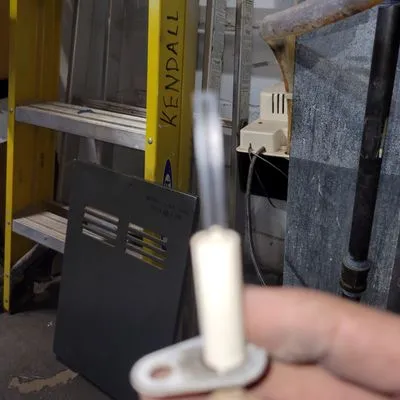
Omaha Hvac Company brings over a decade of dedicated experience to every home in Omaha. Our foundation is built on a twelve-year record of not only servicing systems but also training successful techn...
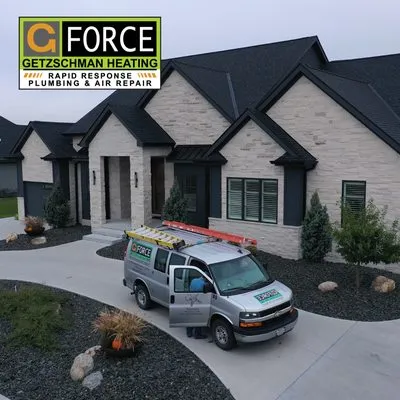
Getzschman Heating is a licensed HVAC and plumbing company serving Omaha, Nebraska, with over 60 years of experience. They specialize in heating, air conditioning, and plumbing services, including ins...
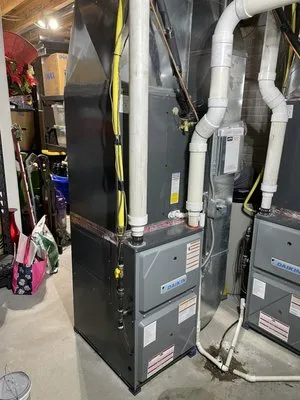
CS Services Heating and Cooling
CS Services Heating and Cooling is a family-owned HVAC business serving Bellevue, NE, founded by retired Navy veteran Christopher Conrad. With experience in heating and cooling since 2005, Chris start...
Fred's Heating and Air is a family-owned and operated HVAC company that has been a trusted name in Omaha and Council Bluffs for nearly four decades. Founded by Fred on principles of trust and integrit...
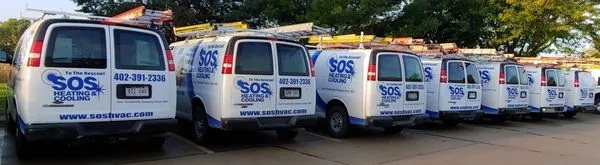
SOS Heating & Cooling is a family-owned Omaha institution founded in 1950 by Harry Schneiderwind. It grew from a two-man shop into a trusted community staple under LeRoy Stuehm, who purchased the comp...
Estimated HVAC Service Costs in Omaha, NE
Common Questions
Can my older Omaha home's duct system handle better air filters for pollen and ozone?
Omaha's humid continental climate brings high pollen counts in May and moderate ozone risk in summer. While MERV-13 filters capture 90% of pollen and some ozone precursors, they increase static pressure by 0.2-0.4 inches of water column. Original galvanized steel ductwork in 1970s Omaha homes often can't handle this added resistance without airflow reduction. A technician should measure your system's static pressure before upgrading filters; many homes need duct modifications or a dedicated air cleaner to maintain proper airflow with high-efficiency filtration.
Should I consider switching from gas heat to a heat pump in my Omaha home?
Omaha's winter lows around 10°F make dual-fuel systems practical—heat pumps handle moderate cold, while gas backup takes over below 20-25°F. During OPPD's peak hours (2-7 PM), electricity rates are highest, but modern heat pumps achieve 300% efficiency even at 20°F. The Inflation Reduction Act rebates make this transition economical, especially when paired with solar. For most Dundee homes, a properly sized heat pump with gas backup reduces annual heating costs by 20-30% while providing summer cooling from the same system.
What permits and safety standards apply to new HVAC installations in Omaha?
All HVAC replacements in Omaha require permits from the Omaha Planning Department Permits and Inspections Division. Since 2025, systems using A2L refrigerants like R-454B must follow updated safety standards: leak detectors within equipment rooms, service valves with low-loss fittings, and proper ventilation calculations. Technicians need EPA Section 608 certification with specific A2L training. These regulations ensure safe handling of mildly flammable refrigerants while maintaining system efficiency. Failure to obtain proper permits can void manufacturer warranties and create insurance complications.
My Omaha home's original HVAC system is still running. Should I be concerned about its age?
Homes in Omaha average 54 years old, meaning many original systems date to the 1970s. At this age, galvanized steel ductwork develops micro-leaks, and refrigerant lines lose efficiency. The most common failure we see in older Omaha systems is condensate line freezing, which occurs when reduced airflow from clogged filters causes evaporator coils to drop below freezing. This ice blocks drainage and can lead to water damage. Regular maintenance helps, but components beyond 15-20 years operate outside their engineered lifespan.
My Dundee home lost cooling during a hot afternoon. How quickly can a technician arrive?
From our service center near the Henry Doorly Zoo and Aquarium, we dispatch technicians via I-80 to reach Dundee in 15-20 minutes. For a no-cool emergency, first check if the outdoor unit is running and the thermostat is set correctly. If the system is silent or blowing warm air, a refrigerant leak or electrical issue is likely. Quick response prevents further compressor damage, especially during Omaha's peak heat hours when systems are under maximum load.
What does the new 13.4 SEER2 minimum mean for Omaha homeowners replacing their AC?
The 2026 federal SEER2 standard requires all new central air conditioners to achieve at least 13.4 SEER2, a 5-8% efficiency improvement over previous models. At Omaha's average electricity rate of $0.11 per kWh, upgrading from a 10 SEER unit to a 16 SEER2 system saves about $300 annually. The Inflation Reduction Act provides rebates up to $8,000 for qualifying high-efficiency installations, making the payback period under 5 years for most Dundee homes.
How does Omaha's summer heat affect modern air conditioner performance?
Omaha's design temperature is 91°F, but summer highs regularly reach 95-100°F. This 4-9 degree gap means systems operate at 110-120% of their rated capacity during heat waves. Modern R-454B refrigerant systems maintain better efficiency in these conditions than older R-410A units, with only a 5-7% capacity drop at 100°F versus 10-12% for older refrigerants. Proper sizing through a Manual J load calculation ensures your system can handle these peak temperatures without short-cycling or excessive energy use.
My Ecobee thermostat shows an E4 error code. What does this mean for my Omaha HVAC system?
The Ecobee E4 alert indicates the thermostat isn't detecting adequate temperature change after system runtime. In Omaha's climate, this typically means one of three issues: refrigerant charge is low (common with R-454B systems if not properly installed), airflow is restricted from dirty filters or duct issues, or the system is oversized for the home. This error prevents compressor damage by stopping short-cycling. A technician should check refrigerant levels, measure airflow, and verify the system was properly sized for Omaha's 91°F design temperature.
