
Top Emergency HVAC Services in Exeter, NH, 03833 | Compare & Call

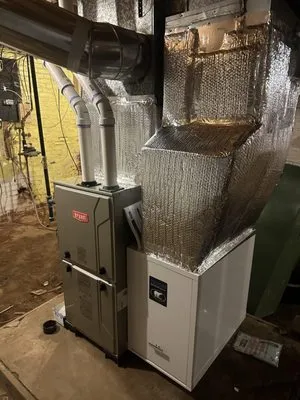
JP HVAC is a trusted heating and air conditioning company serving Exeter, NH, and the surrounding Seacoast region. We specialize in professional HVAC installation, repair, and maintenance to keep your...
Haffner's Oil & Propane
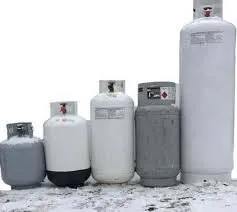
Haffner's Oil & Propane has been a trusted name in Exeter since 1989, providing reliable heating and comfort solutions to homes and businesses across the New England seacoast. As a locally owned compa...

Key Heating & Air Conditioning
Founded in 1990 by Jon, Key Heating & Air Conditioning brings decades of local expertise to Exeter and the wider Seacoast region. Starting from a background in the plumbing supply industry of Newburyp...
NiBROC Heating & Cooling is a family-owned HVAC company serving Exeter and the Seacoast region since 2007. Founded by lifetime Seacoast resident Russ Corbin, the business is built on over 30 years of ...

M2 Mechanical in Exeter, NH, is a locally owned and operated family business built on decades of experience. Founded by Steve and Judi Sewall, the company represents their second venture together, fol...

Diamond Mechanical
Diamond Mechanical is a family-owned Exeter, NH, HVAC and plumbing contractor founded in 2020, bringing over a decade of hands-on experience to every job. We specialize in the sales, service, and inst...

Prescott R E CO PUMPS
Prescott R E CO PUMPS in Exeter, NH is a wholesale supplier specializing in well pumps, tanks, filters, and plumbing accessories for professional contractors including plumbing and heating specialists...
Palmer and Sicard is a trusted mechanical contractor serving Exeter, NH, and Northern New England since 1954. As an employee-owned business since 2002, they specialize in HVAC installation and service...
Jordan Signature Heating is Exeter's trusted local HVAC specialist, providing reliable heating and cooling solutions tailored to our New England climate. We understand the unique challenges Exeter hom...
Kevin Russo HVAC provides reliable heating and cooling services for Exeter, NH, and the surrounding communities. We help local homeowners and businesses stay comfortable year-round with professional H...
Common Questions
What should I do if my AC stops working on a hot day in Downtown Exeter?
First, check your thermostat settings and circuit breakers. If those are correct, a technician can typically be dispatched from near Exeter Town Hall. Using NH-101, a service vehicle can reach most Downtown homes within 5-10 minutes for an emergency no-cool diagnosis. This rapid response is crucial to prevent secondary damage from a frozen evaporator coil or a failing compressor.
Is an 85°F design temperature sufficient for Exeter's summer heat?
An 85°F design temperature is a standard baseline for sizing equipment, representing the outdoor temperature the system is rated to maintain 75°F indoors. Summer days here can exceed this, meaning the system will run continuously to try to hold temperature. The new standard R-454B refrigerant maintains stable pressure and efficient heat transfer better in these extended high-load conditions than older refrigerants, reducing the performance drop during heat waves.
My Ecobee thermostat is showing an 'E4' alert. What does that mean?
An Ecobee E4 code indicates the thermostat has lost communication with your HVAC equipment. In Exeter, this is often traced to a safety limit switch being tripped on the furnace or air handler, commonly due to restricted airflow from a dirty filter or failing blower. It's a protective signal. You should first check and replace your air filter, then power cycle the system at the breaker. If the alert returns, a technician should inspect the blower and limit switches.
Can my home's existing duct system handle better air filters for pollen and ozone?
Exeter's May pollen peak and summer ozone risk make advanced filtration desirable. Your existing galvanized steel ducts are generally robust, but installing a high-MERV filter like a MERV-13 requires a static pressure check. An older blower motor may not have the capacity to push air through the increased resistance without causing airflow problems. A technician can measure your system's static pressure to confirm if your ductwork can support it.
What are the permit and safety rules for a new AC installation in 2026?
All HVAC replacements in Exeter require a permit from the Exeter Building Department. Since January 2023, new residential systems must use lower-GWP A2L refrigerants like R-454B. These are mildly flammable, so 2026 installations must comply with updated safety standards (UL 60335-2-40) requiring leak detectors, updated electrical codes, and specific labeling. Your contractor must pull the permit and ensure the installation meets these current codes for safety and legality.
Should I consider switching from natural gas to a heat pump in Exeter?
For many Exeter homes, a cold-climate heat pump is a viable primary heating system. While winter lows demand a unit rated for performance below 5°F, modern models meet this. Pairing it with your existing gas furnace as a backup creates an efficient hybrid system. To manage costs, program the heat pump to avoid the utility's peak electricity hours from 2 PM to 7 PM, letting the gas system take over briefly if needed during that window.
How do the new 2026 SEER2 standards and high electric rates affect my upgrade?
Federal law now mandates a minimum of 14.3 SEER2 for new central AC systems. While Exeter's electric rate is approximately $0.24 per kWh, a modern high-SEER2 unit uses significantly less energy. The Inflation Reduction Act's HEEHRA rebates, offering up to $8,000 for qualified heat pump installations, can dramatically offset the upfront cost. The combination of lower operating costs and a substantial rebate improves the payback period.
Why do our air conditioners in Exeter seem to fail with frozen coils so often?
The average home here was built around 1970, making many original systems 50+ years old. Aging galvanized steel ductwork often develops leaks, reducing airflow across the evaporator coil. This, combined with Exeter's humid continental climate, can cause condensation to freeze on the coil. The restricted airflow from old ducts prevents the system from absorbing enough heat to keep the coil above freezing, leading to a common failure.
