
Top Emergency HVAC Services in Clark, NJ, 07066 | Compare & Call

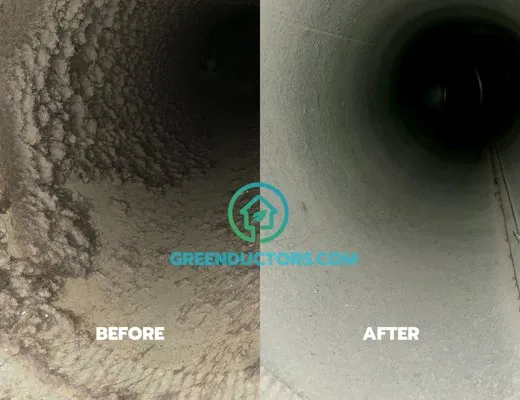
Green Ductors, founded in 2014, is a Clark, NJ-based company dedicated to solving the critical problem of indoor air quality. We bring a comprehensive approach focused on source removal through duct c...
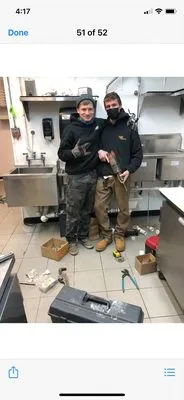
Lenny's Plumbing & Heating
Since 1972, Lenny's Plumbing & Heating has been a trusted, family-operated business serving Clark and the surrounding communities. We are fully licensed (NJ State License #6249) and insured, a commitm...
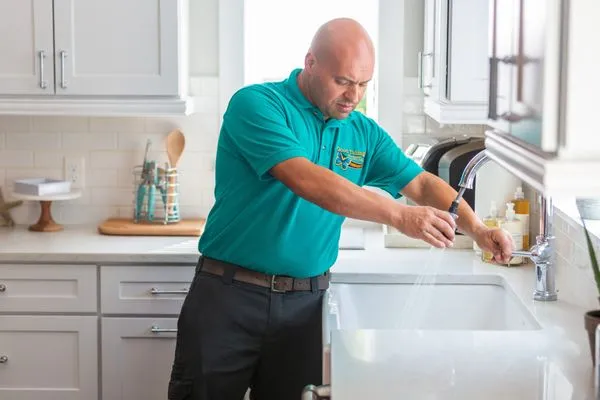
Good Tidings Plumbing Heating Cooling
For over 30 years, Good Tidings Plumbing Heating Cooling has been a trusted name in Clark, NJ, and across Union County. Founded by Dave McKenna in 1990, the company has grown from humble beginnings in...
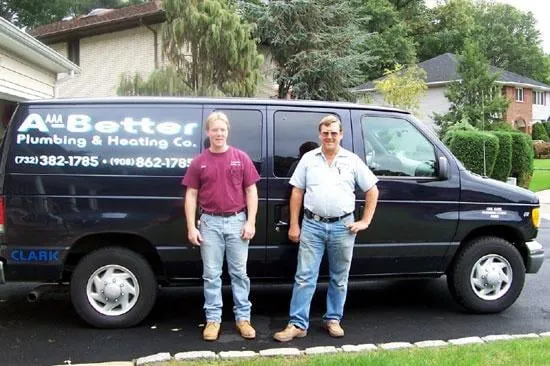
A-BETTER Plumbing & Heating
A-Better Plumbing & Heating LLC is a family-owned and operated business serving Clark, NJ, with deep roots in the community since 1935. Founded by my grandfather, I, Carl Gates, took over the company ...
Framan Mechanical is a trusted heating and air conditioning company serving Clark, NJ, and the surrounding communities. We understand the common frustrations Clark homeowners face, like HVAC systems t...
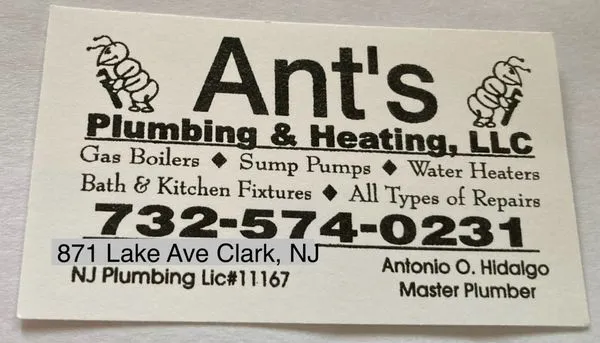
Ant’s Plumbing & Heating
Ant's Plumbing & Heating is a Clark-based, full-service plumbing and HVAC company dedicated to keeping homes comfortable and systems running efficiently. Understanding the local climate and the preval...
G & C Heating & Air is a trusted, family-operated HVAC contractor serving Clark, NJ, and the surrounding communities. We specialize in diagnosing and fixing the common local issues that disrupt home c...

Mechanical Enterprises is your trusted local HVAC expert in Clark, NJ. For years, we've helped homeowners tackle the most common and frustrating heating and cooling problems specific to our area. We s...
Q&A
What permits and standards apply to new HVAC installations in Clark?
All HVAC installations require permits from the Clark Township Construction Code Department. For 2026, this includes compliance with A2L refrigerant safety standards for R-454B systems, which mandate leak detection, emergency ventilation, and specific pipe sizing. These regulations address the mild flammability of modern refrigerants while maintaining Clark's building code requirements for mechanical system installations and inspections.
Why do older HVAC systems in Clark homes seem to fail more often?
Most Clark homes were built around 1961, making their HVAC systems approximately 65 years old. Galvanized sheet metal ductwork from that era develops microscopic rust particles over decades, which mix with humid air to form sludge in condensate drain lines. This sludge accumulation is the primary reason for condensate drain line clogs in older systems, as the gradual buildup eventually blocks drainage completely during peak cooling cycles.
What does an Ecobee E164 alert mean for my Clark HVAC system?
The Ecobee E164 code specifically indicates a communication failure between your thermostat and outdoor unit. In Clark's humid environment, this often results from corroded low-voltage connections or control board issues exacerbated by seasonal humidity swings. This alert allows proactive service before complete system failure, particularly important ahead of summer cooling season when repair demand peaks across the region.
Can my home's existing ductwork handle better air filtration for Clark's air quality concerns?
Galvanized sheet metal ductwork typically handles MERV-13 filters without significant static pressure issues if properly sized. This matters because Clark experiences ozone risk year-round and May pollen peaks that degrade indoor air quality. Higher MERV filtration captures 85% of pollen particles and reduces ozone byproducts, but should be verified with a static pressure test to ensure your specific system maintains proper airflow across all registers.
Why does my air conditioner struggle on the hottest Clark summer days?
Clark's design temperature of 89°F represents the outdoor condition your system was engineered to maintain 75°F indoors. When temperatures exceed this threshold, capacity drops approximately 1.5% per degree above design. R-454B refrigerant maintains better performance in these conditions than older refrigerants, but all systems experience reduced efficiency during extreme heat events that push beyond their engineered operating envelope.
How do current energy standards affect my cooling costs in Clark?
The 2026 SEER2 minimum of 14.3 represents a 15% efficiency improvement over previous standards. At Clark's 0.18/kWh electricity rate, upgrading from a 10 SEER system to a 16 SEER2 unit saves approximately $300 annually on cooling. The active HEEHRA rebate provides up to $8,000 toward qualifying installations, making the payback period for high-efficiency systems particularly favorable when combined with PSE&G's additional $1,000 utility rebate.
What should I do if my air conditioning stops working during a Clark Center heatwave?
First check your thermostat settings and circuit breakers, then call for service. From Clark Commons, technicians can access the Garden State Parkway to reach Clark Center neighborhoods within 10-15 minutes for emergency no-cool calls. This response time allows diagnosis of common issues like refrigerant leaks or compressor failures before indoor temperatures become uncomfortable during peak heat hours.
Should Clark homeowners consider switching from gas heat to heat pumps?
Heat pumps offer advantages for Clark's climate where winter lows rarely challenge modern cold-climate models. Operating during PSE&G's 14:00-20:00 peak hours at 0.18/kWh, a properly sized heat pump typically costs less than gas heating during shoulder seasons. The combination of HEEHRA rebates and dual-fuel capability—using gas as backup during extreme cold—makes transition economically viable for many Clark homes with existing gas infrastructure.
