
Top Emergency HVAC Services in Dayton, NJ, 08810 | Compare & Call

There are 216 hvac companies server in Dayton NJ
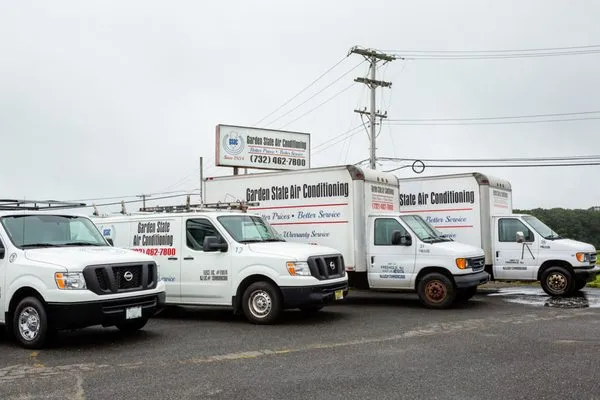
Garden State Air Conditioning and Heat
Since 1954, Garden State Air Conditioning and Heat has been a family-owned fixture in Freehold, NJ, dedicated to serving the HVAC needs of Monmouth County. Our approach is built on local ownership and...
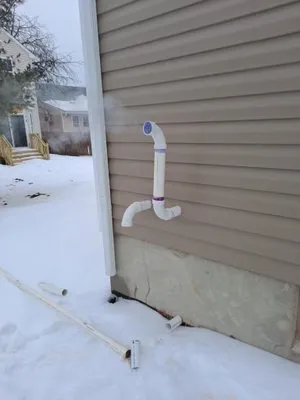
For over 15 years, I've dedicated my career to heating and air conditioning, serving Matawan and the surrounding communities. As a family-oriented business owner, I believe in treating every customer ...
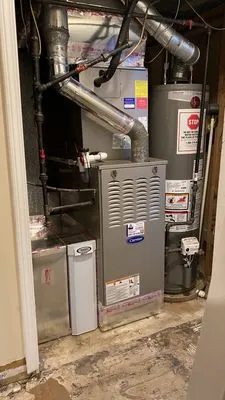
Inventi Service is Avenel's trusted partner for HVAC and water heater needs. As a locally established company, we provide Central New Jersey homeowners and businesses with reliable heating, cooling, a...
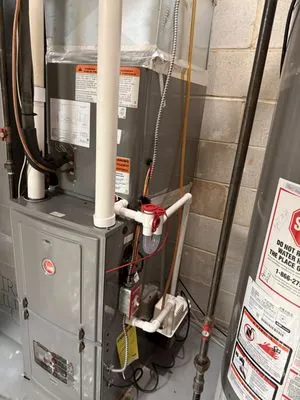
Jason Mechanical
At Jason Mechanical in Bloomfield, NJ, we understand that a comfortable home is essential. We specialize in keeping your HVAC systems and water heaters running efficiently and reliably, so you can enj...
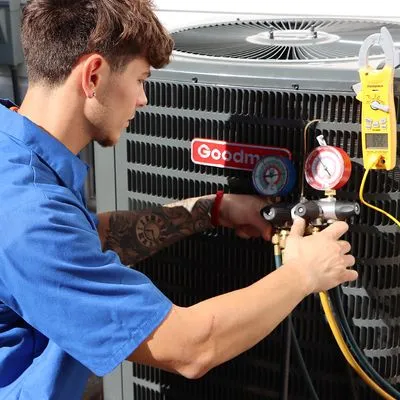
Binsky Home Service
For over 85 years, Binsky Home Service has been a trusted, family-owned provider of HVAC, plumbing, and electrical services for Somerset, NJ, and surrounding communities. As a fourth-generation busine...
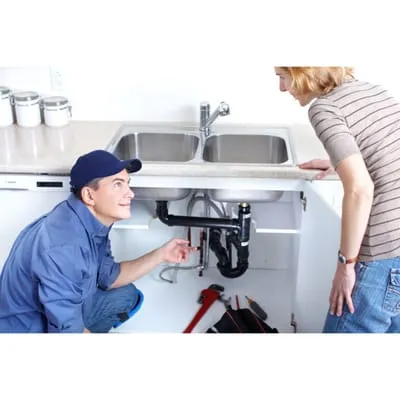
Admiral Plumbing Sewer & Drain Cleaning
Admiral Plumbing Sewer & Drain Cleaning has been serving Jersey City and surrounding communities since 1997, bringing over 26 years of dedicated plumbing and HVAC experience to every job. We're a loca...
Founded in 2000, Online Heating And Cooling began with a core belief in the power of teamwork and a vision for a modern, connected HVAC service. Born from a Navy veteran's experience, the company pion...
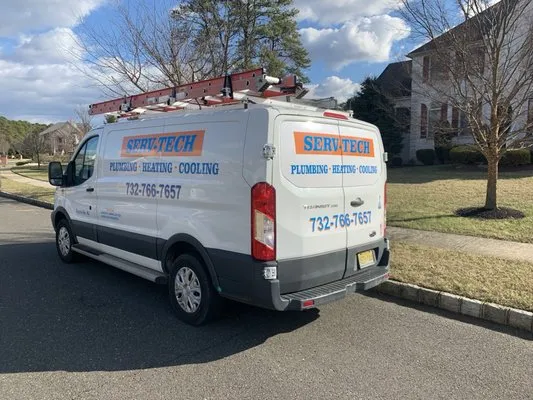
Service Tech Plumbing Heating &Cooling
Service Tech Plumbing Heating & Cooling is a Sayreville-based, family-owned business founded in 2014 by master plumber and HVAC specialist Denis Cekic. With over 15 years of hands-on experience, Denis...
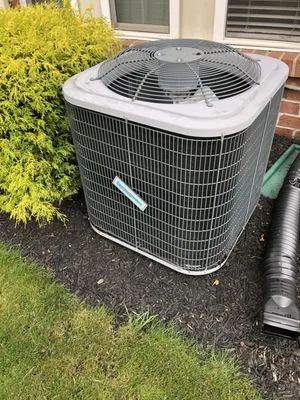
A.J. Perri
For over 50 years, A.J. Perri has been a trusted, family-owned name for heating, cooling, and plumbing services in Tinton Falls and across New Jersey. Our approach is built on straightforward, reliabl...
Service Professionals
For over 30 years, Service Professionals has been a trusted name for homeowners in Union, NJ, built on a foundation of honesty and local reliability. Founded by Rich Bogda, a lifelong New Jersey plumb...
Estimated HVAC Service Costs in Dayton, NJ
FAQs
My Ecobee thermostat is showing an E160 alert. What's happening?
An Ecobee E160 code specifically indicates a loss of communication with the outdoor AC unit or heat pump. In Dayton, this often points to a condensate drain line clog due to algae growth—a very common failure point—which has triggered a safety float switch that cuts power to the condenser. It can also signal a failed control board or wiring issue. This alert allows for targeted diagnostics before a complete system failure occurs.
How well should a new air conditioner handle our hottest summer days?
Dayton's design temperature for HVAC sizing is 91°F, though actual summer highs can exceed this. A properly sized system, based on a Manual J load calculation, will maintain temperature and humidity control at the design limit. Modern units using the R-454B refrigerant standard are engineered for high ambient temperature operation, maintaining efficiency and capacity better than older R-410A systems as temperatures climb toward that 91°F mark.
I use gas heat now. Does it make sense to switch to a heat pump in Dayton?
For Dayton homes, a dual-fuel or cold-climate heat pump system is a strategic transition. It provides efficient electric cooling and can handle heating down to our winter lows, automatically switching to your existing gas furnace during the coldest periods or the 2 PM to 7 PM utility peak hours when electricity rates are highest. This maximizes comfort and cost-effectiveness year-round.
Can my current Dayton home's HVAC system handle better air filters for ozone and pollen?
Your existing galvanized sheet metal ducts with external wrap generally have good structural integrity for higher static pressure. However, installing a MERV-13 filter to capture May pollen peaks and mitigate ozone-related particulates requires verification. We must measure the system's static pressure to ensure the blower motor isn't overworked, which could reduce airflow and strain the older equipment.
What does the new 14.3 SEER2 minimum efficiency standard mean for my energy bills?
The 14.3 SEER2 mandate for 2026 ensures new systems use significantly less electricity than older models. At PSE&G's current rate of $0.18 per kWh, upgrading from a 10 SEER unit to a 16 SEER2 model can cut cooling costs by roughly 30%. The federal HEEHRA rebate, active with an $8,000 cap, combined with PSE&G's $500 appliance rebate, can make a high-efficiency system upgrade surprisingly cost-effective.
What are the permit and safety requirements for a new AC installation in 2026?
All HVAC installations in South Brunswick Township require a permit from the Construction Office. For 2026, this includes mandatory adherence to new safety standards for A2L refrigerants like R-454B, which are mildly flammable. This dictates specific leak detection, service access, and labeling protocols that technicians must follow. The permit process ensures the installation meets current building and mechanical codes for safety and efficiency.
If my AC stops working on a hot Dayton Center afternoon, how fast can a technician get here?
For a no-cool emergency, dispatch from our shop near Davidson's Mill Pond Park allows for a 15 to 25 minute response time to Dayton Center. We monitor US Route 130 traffic in real-time to optimize the route. We prioritize these calls to prevent heat buildup and humidity spikes that can affect indoor air quality and comfort before the evening utility peak hours begin.
My Dayton house was built in the late 80s. Is my original HVAC system a problem?
A system from 1988 is now 38 years old, which is well beyond its expected service life. In Dayton's humid continental climate, the primary issue with a unit this age is the galvanized sheet metal ductwork, which promotes condensation and algae growth inside. This directly leads to the common failure point of condensate drain line clogs. The internal components are also operating at severely degraded efficiency, likely well below current SEER2 standards.
