
Top Emergency HVAC Services in Elizabeth, NJ, 07201 | Compare & Call

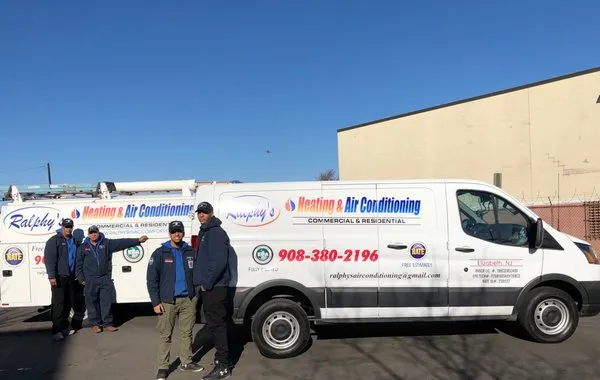
Ralphy's Heating & Air Conditioning is a family-owned and -operated HVAC business proudly serving Elizabeth, NJ and the surrounding communities since 2009. Founded by Mr. Ralphy after over 20 years in...
Tomasso Bros
Tomasso Bros. is a family-owned HVAC and home energy auditing company proudly serving Elizabeth, NJ, and the surrounding communities. Founded in 1946, the business is now run by Ray Tomasso Jr., who g...
Mister Fix Pros
Mister Fix Pros was founded in 2020 on a simple, local belief: homeowners in Elizabeth deserve a tradesperson they can trust in their home. Starting with repairs for friends and neighbors, we grew by ...
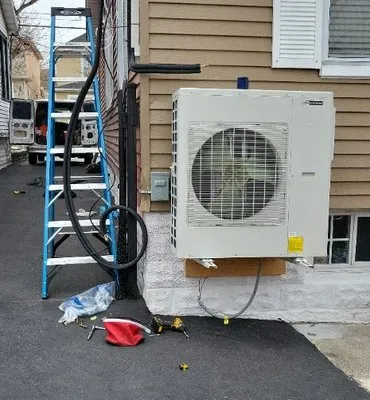
JGC HandyTech Services
JGC HandyTech Services is your trusted local handyman and HVAC specialist serving Elizabeth, NJ homeowners. We provide comprehensive solutions for appliance installation and repair, handyman assembly,...
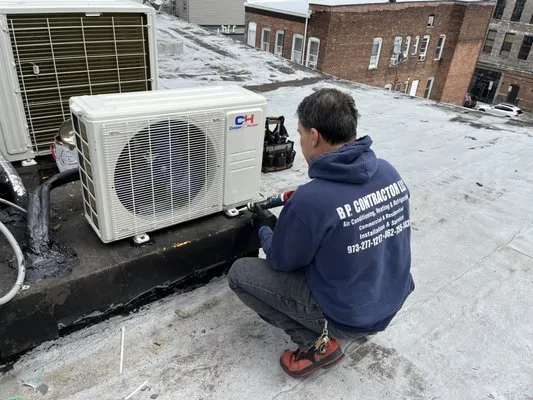
BP Contractor is a trusted heating and air conditioning specialist serving Elizabeth, NJ and surrounding communities. As a local HVAC expert, we specialize in professional HVAC installation and replac...
Vento Air is a trusted, family-operated HVAC contractor serving Elizabeth, NJ, and the surrounding communities. With two decades of hands-on experience, we are dedicated to improving indoor comfort an...
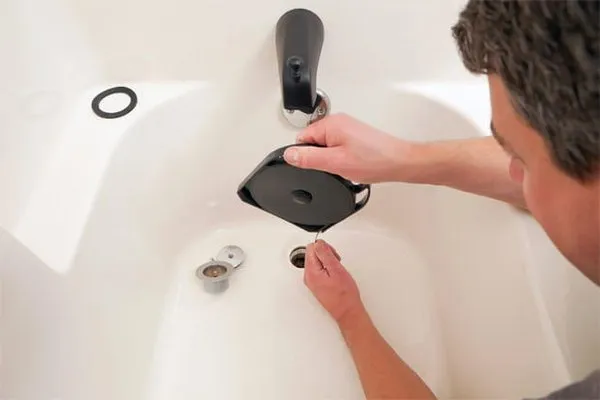
Rich's Plumbing Heating and Air Conditioning
Rich's Plumbing, Heating, and Air Conditioning is a trusted, locally-owned provider serving Elizabeth, NJ, and the surrounding communities for over 25 years. Our team of licensed, certified technician...
Cali Trading Co. is a trusted, locally-owned HVAC and appliance repair service operating in Elizabeth, New Jersey. With a focus on the Elizabethport community, our team of experienced technicians spec...
Air Man Heating & Cooling is a licensed HVAC service provider based in Elizabeth, NJ, dedicated to keeping homes and businesses comfortable year-round. We specialize in the repair, installation, and r...

Total HVACR Services is a family-owned, registered, and insured heating and air conditioning contractor serving Elizabeth, NJ, and surrounding communities like Roselle Park, Westfield, and Cranford. F...
FAQs
What are the permitting and safety requirements for installing a new air conditioner with modern refrigerant?
All HVAC replacements in Elizabeth require a permit from the City of Elizabeth Department of Planning and Community Development. As of 2026, new systems predominantly use A2L refrigerants like R-454B, which are mildly flammable. Installation must follow strict EPA Section 608 guidelines and the latest building codes, which mandate specific leak detection, room size calculations, and equipment labeling for safety compliance.
If my air conditioner stops working on a hot day downtown, how quickly can a technician typically arrive?
For a no-cool emergency in the Downtown area, a service vehicle dispatched from near the Elizabeth Public Library can access I-95 within minutes. This routing allows for a reliable 15 to 25 minute response window to most homes in the core neighborhoods, ensuring a rapid diagnosis of common issues like a tripped circuit breaker or a failed capacitor.
What do the new 2026 efficiency standards mean for replacing my old air conditioner, and are there financial incentives?
As of 2026, new central air conditioners must meet a minimum 14.3 SEER2 rating, a significant jump from older models. Pairing a high-SEER2 unit with the active Inflation Reduction Act rebates, which can cover up to $8,000, dramatically improves the payback period. At PSE&G's current rate of $0.18 per kWh, the operational savings compound, making the upgrade a sound investment against rising energy costs.
Why does my air conditioner struggle on the hottest days of summer, even though it works fine otherwise?
Equipment is sized for a specific design temperature, which in Elizabeth is 89°F. When ambient temperatures exceed this—as they regularly do in summer—the system's capacity drops and it must run continuously to approach the setpoint. Modern units using R-454B refrigerant maintain better efficiency and capacity at these higher temperatures compared to older R-410A systems, reducing the performance gap on peak days.
Can my home's existing duct system support better air filters to handle spring pollen and ozone alerts?
Spring pollen peaks in May coincide with seasonal ozone risk, making advanced filtration valuable. Your existing galvanized steel ductwork is generally robust, but installing a MERV-13 filter requires a static pressure check. An undersized duct system or a restrictive filter rack can overload the blower motor, so a technician should measure airflow before upgrading to ensure proper system function.
My Ecobee thermostat is showing an E1 alert; what does this mean for my HVAC system?
An Ecobee E1 alert indicates the thermostat has lost communication with the outdoor heat pump or air conditioner. In Elizabeth, this is often a tripped high-pressure switch due to a dirty condenser coil or refrigerant issues, compounded by salt air corrosion. It signals the system has shut down to prevent compressor damage and requires a technician to diagnose the specific fault before resetting.
My home's original heating and cooling equipment seems outdated; what is the typical lifespan for these systems in Elizabeth?
The average home in Elizabeth was built around 1956, meaning original HVAC equipment could be over 70 years old. Systems installed in the 1990s are now 30+ years old, well beyond the 15-20 year design life. In our coastal environment, this age directly accelerates condenser coil corrosion from salt air, a leading failure point that degrades efficiency and leads to refrigerant leaks.
I use natural gas for heat; is switching to a heat pump a practical choice for our New Jersey winters?
Modern cold-climate heat pumps are engineered to provide efficient heat down to temperatures well below Elizabeth's winter lows. The economic analysis now includes utility peak hours from 2 PM to 7 PM, where electricity rates are highest. A correctly sized heat pump, combined with the federal rebates, can offer lower annual energy costs than a traditional gas furnace, especially when paired with a smart thermostat for load management.
