
Top Emergency HVAC Services in Fort Lee, NJ, 07024 | Compare & Call

There are 97 hvac companies server in Fort Lee NJ
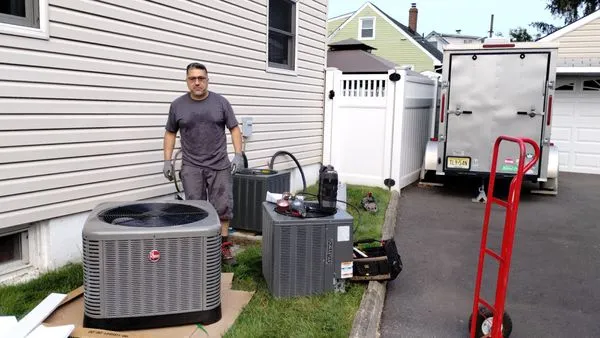
Maximo Heating, Cooling & Plumbing
Maximo Heating, Cooling & Plumbing is a licensed HVAC and plumbing service provider serving North Bergen, NJ, with over a decade of industry experience. Specializing in air conditioning, heating, and ...
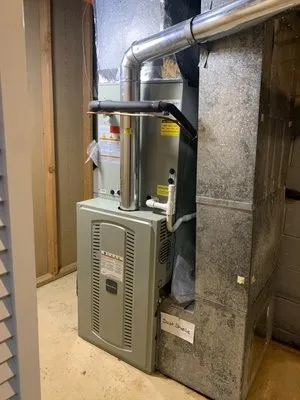
Prestige Air Heating & Cooling
Prestige Air Heating & Cooling is a family-owned HVAC company serving Oakland, NJ, and surrounding Bergen County. Founded and operated by Master HVACR Technician Shadi Alfauri, who brings over a decad...
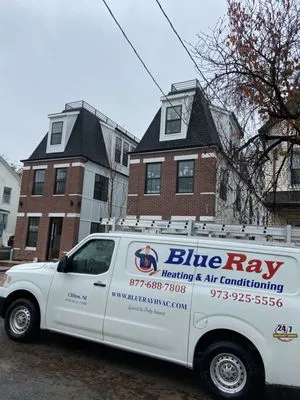
Blueray Heating & Cooling
Blueray Heating & Cooling is a licensed and insured, family-owned HVAC and plumbing provider serving Clifton and North Jersey. Our mission is to bring reliable comfort to your home or business. We off...
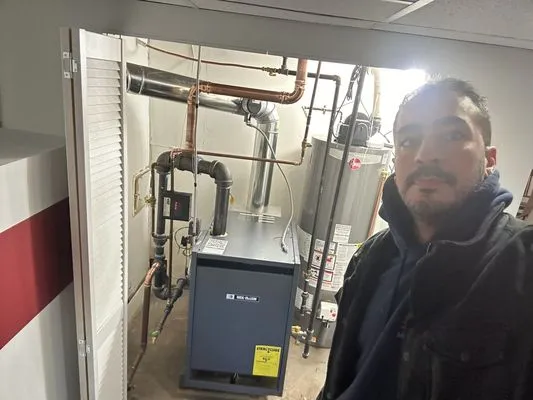
M&S Technicians
At M&S Technicians in Woodland Park, our work is driven by a deep-seated passion for ensuring your home's comfort. Founded in 2014, we are a licensed, hard-working team that believes in focusing compl...
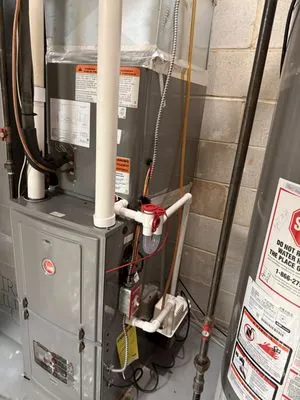
Jason Mechanical
At Jason Mechanical in Bloomfield, NJ, we understand that a comfortable home is essential. We specialize in keeping your HVAC systems and water heaters running efficiently and reliably, so you can enj...
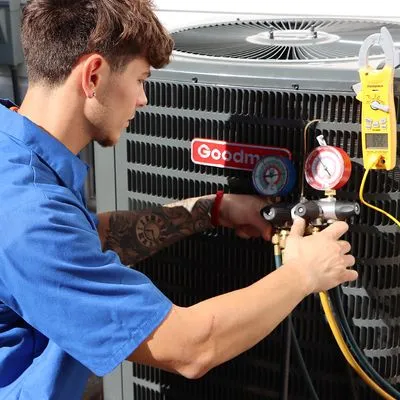
Binsky Home Service
For over 85 years, Binsky Home Service has been a trusted, family-owned provider of HVAC, plumbing, and electrical services for Somerset, NJ, and surrounding communities. As a fourth-generation busine...
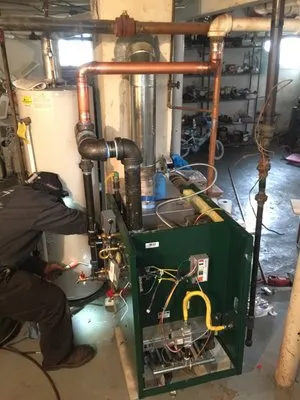
UMGservice
UMGservice is a family-owned plumbing, heating, and air conditioning company serving Clifton, NJ, and surrounding Northern New Jersey communities. Founded by Nazeeh Khalil with a commitment to reliabl...
Delevas Mechanical is your trusted, family-owned HVAC partner in Lyndhurst, NJ, with over 12 years of dedicated local service. As licensed and EPA certified experts, we handle all your heating, coolin...
HVCS Electrical Services
HVCS Electrical Services is a trusted, licensed electrical and HVAC contractor serving Newark and the surrounding New Jersey communities. With over three decades of experience, our team of skilled ele...
At Abreu Air in East Newark, NJ, we understand that your HVAC system is more than just equipment—it's your comfort, your clean air, and your peace of mind. Our team provides reliable installation, rep...
Estimated HVAC Service Costs in Fort Lee, NJ
Question Answers
I use gas heat now—does a heat pump make sense for a Fort Lee winter?
Modern cold-climate heat pumps operate effectively in Fort Lee's winter lows, which can dip into the teens. Pairing a heat pump with your existing gas furnace as a dual-fuel system is often optimal. This setup uses the efficient heat pump for moderate weather and automatically switches to gas during utility peak hours (2 PM to 8 PM) or extreme cold, maximizing comfort while minimizing operating costs on the higher-priced electricity during peak periods.
My air conditioner in Fort Lee keeps shutting off—could this be due to the age of the system?
A system from the average 1970s build year in Fort Lee is over 55 years old, well past its intended service life. Age-related wear often causes condensate drain blockages, especially in humid climates, as internal pans corrode and algae accumulates. This safety switch activation is a primary reason for intermittent shutdowns in older units, indicating components are failing from decades of thermal cycling and exposure to moisture.
What should I do if my AC stops working completely during a Linwood heatwave?
First, verify the thermostat has power and the circuit breaker is on. For a complete no-cool emergency, our service vehicles stationed near the George Washington Bridge Plaza can access Linwood via I-95, typically arriving within 15 to 25 minutes. This routing avoids local congestion, allowing a technician to quickly diagnose common failures like a tripped float switch or a failed capacitor before the indoor temperature rises excessively.
Can my home's existing duct system support a high-grade air filter for pollen and ozone?
Many Fort Lee homes built around 1970 have original galvanized steel ductwork, which is generally robust. However, installing a MERV-13 filter for May pollen peaks and ozone risk requires a static pressure check. An older blower motor may struggle with the increased airflow restriction, potentially causing reduced cooling capacity and higher energy use. A technician should measure static pressure to ensure your system can handle the filtration upgrade without modification.
My Ecobee thermostat is showing an E1 error code—what does this mean for my system?
An Ecobee E1 alert indicates the thermostat is not detecting voltage from the equipment, often due to a safety lockout. In Fort Lee's humid climate, this frequently signals a condensate drain blockage has triggered the system's float switch, cutting power to prevent water damage. It can also point to a tripped high-pressure switch from a dirty condenser coil during high ozone days. This code allows for early intervention before a complete system failure occurs.
What are the permit and safety requirements for installing a new AC in Fort Lee today?
All mechanical work requires a permit from the Fort Lee Construction Office, specifically the Mechanical Subcode official. Since 2025, new systems using A2L refrigerants like R-454B must follow updated safety standards, including leak detectors, revised pipe sizing, and specific labeling. These flammable but lower-GWP refrigerants mandate certified technicians and documented system commissioning. Proper permitting ensures the installation meets current fire and building codes for occupant safety.
Why does my AC seem to struggle on the hottest days here, even if it's newer?
HVAC systems in Fort Lee are engineered for a 89°F design temperature, based on local historical data. When ambient temperatures exceed this, such as during a 95°F heatwave, the system must run continuously to maintain setpoint, reducing its apparent cooling capacity. Modern units using R-454B refrigerant maintain better efficiency and capacity at these higher temperatures than older R-410A systems, but all equipment has a performance limit above its design condition.
Is it worth replacing my old AC unit now with the new 2026 efficiency standards?
The current federal minimum is 14.3 SEER2, but modern systems often reach 18 SEER2 or higher. At Fort Lee's average rate of $0.18 per kWh, upgrading from a 10 SEER unit to an 18 SEER2 model can reduce cooling costs by nearly half. The active Inflation Reduction Act rebates, with a cap of $8,000 for qualified heat pumps, substantially lower the net investment while future-proofing against rising utility costs.
