
Top Emergency HVAC Services in Willingboro, NJ, 08010 | Compare & Call

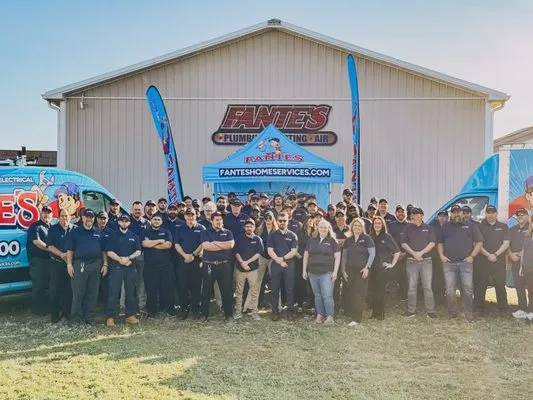
Fante's Home Services
Since 1981, Fante's Home Services has been a trusted name for plumbing, heating, and air conditioning needs in Willingboro and across South Jersey. Our locally based, skilled technicians are committed...
Forthright Appliance And HVAC Repair
Forthright Appliance And HVAC Repair is a licensed and insured service provider based in Willingboro, NJ, with over 20 years of experience serving the local community. We specialize in both appliance ...
Top Techs is a trusted plumbing, heating, and air conditioning service provider serving homeowners throughout Willingboro, NJ. They specialize in comprehensive plumbing inspections and expert HVAC dia...

M Douse Hvac is a trusted heating and air conditioning service provider based in Willingboro, NJ, specializing in comprehensive HVAC solutions for local homes and businesses. With deep roots in the co...
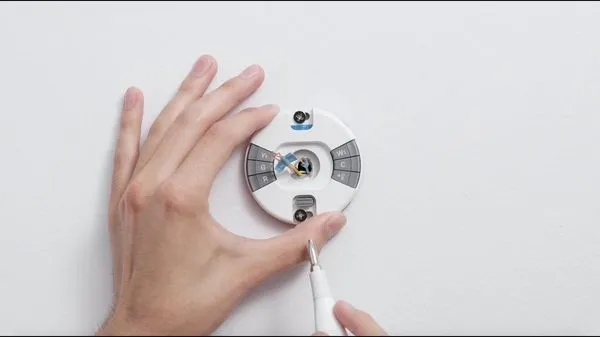
New World Residential HVAC is a locally-owned and operated heating and cooling company serving Willingboro and the surrounding communities. We focus on providing reliable, honest service for every asp...
Frequently Asked Questions
My AC just quit on a hot day in Millcreek Park. How fast can a technician get here?
A no-cool emergency is a priority dispatch. From our service hub near the Willingboro Town Center, a technician can access your neighborhood via I-295 and local routes, typically arriving within the quoted 10 to 15 minute window. The first step is to check your thermostat settings and the circuit breaker, as these simple resets resolve many calls. If the system is unresponsive, a technician will diagnose common failures like a tripped float switch or a failed capacitor on-site.
My Ecobee thermostat is showing an E1 error. What does this mean for my system?
The Ecobee E1 alert specifically indicates the thermostat has lost communication with your HVAC equipment. In Willingboro homes, this is often not a thermostat failure but a symptom of a system safeguard being triggered. The most likely cause is a safety switch on the condensate drain pan has activated due to a blockage—the common algae issue. This switch cuts power to the control circuit, which the thermostat interprets as a communication loss. Checking and clearing the primary drain line is the standard first step in resolution.
Why do so many older HVAC systems in Willingboro fail in the same way?
A system in a home built around 1964 is now 62 years old, exceeding the design life of its components. The original galvanized steel ductwork often remains, but the HVAC unit itself has likely been replaced at least once. In our humid climate, the dark, damp interior of a condensate drain line is a perfect breeding ground for algae, leading to the most common service call: a blocked drain line that triggers a safety shutoff. Regular annual maintenance to clear this line is critical for these aging systems.
What are the legal requirements for installing a new AC with the latest refrigerant?
All installations using R-454B, an A2L mildly flammable refrigerant, must comply with 2026 safety standards outlined in the building code. This requires a permit from the Willingboro Township Construction Office. The permit ensures the installation follows strict protocols: specialized leak detection, updated labeling, specific clearance from ignition sources, and technician certification for handling A2Ls. These codes are mandatory for homeowner safety and system reliability, and any reputable contractor will pull this permit as a standard part of the job.
Is the new 14.3 SEER2 minimum efficiency standard worth the upgrade cost right now?
The 2026 SEER2 standard creates a significant efficiency jump from older units. With PSE&G rates at $0.18 per kWh, a modern 16+ SEER2 system can cut cooling costs by over 30% compared to a 10-year-old unit. The federal HEEHRA rebates, with caps up to $8,000 for qualified homeowners, directly offset the higher upfront cost of compliant equipment. This combination of lower operating cost and immediate rebate makes replacement of an aging system a financially sound decision.
With gas heat, is switching to a heat pump a practical choice for our winters?
Modern cold-climate heat pumps are engineered to operate efficiently in Burlington County winters. The economic analysis has changed: while gas was historically cheaper, the combination of high-efficiency heat pump performance, off-peak electricity rates outside the 2 PM to 7 PM peak window, and the substantial HEEHRA rebates often makes the switch advantageous. A dual-fuel system, which uses a heat pump as the primary source and your existing gas furnace as backup for the coldest hours, is a popular hybrid solution that maximizes comfort and savings.
Why does my AC struggle to keep up on the hottest days, even if it's newer?
HVAC systems in Willingboro are engineered to a 91°F design temperature, meaning they are sized to maintain a comfortable 75°F indoors when it's 91°F outside. On days that exceed this, which are becoming more frequent, the system will run continuously and may not reach the setpoint. The newer R-454B refrigerant standard helps, as it maintains better efficiency and capacity at high ambient temperatures than the older R-410A, but it cannot overcome a fundamental undersizing for extreme heat events.
Can my home's existing ducts handle better filters for our ozone and pollen problems?
Upgrading filtration is wise given our seasonal ozone risk and May pollen peak, but your existing galvanized steel ducts with fiberglass wrap impose a limit. While durable, this duct system was designed for low-resistance filters. Installing a MERV-13 filter often creates excessive static pressure, reducing airflow and straining the blower motor. A technician should perform a static pressure test first; the solution may involve adding a dedicated 4- or 5-inch media filter cabinet that provides superior filtration without overworking the system.
