
Top Emergency HVAC Services in South Valley, NM, 87102 | Compare & Call

There are 236 hvac companies server in South Valley NM
Duke City Heating & Cooling
Duke City Heating & Cooling is a family-owned HVAC, electrical, and plumbing company serving Albuquerque since 2005. Founded by brothers Paul and Mike, who grew up learning the trade at their grandfat...
AC Reliable is a locally owned and operated family HVAC business serving Albuquerque and surrounding areas. We provide reliable, trustworthy heating, cooling, and water heater services for residential...
Genesis Design Mechanical is a trusted HVAC and plumbing service provider serving Los Lunas and the greater Albuquerque metro area since 2018. We specialize in comprehensive heating, cooling, and plum...
K&R Heating and Cooling is a trusted HVAC company serving Albuquerque, NM, specializing in heating and air conditioning solutions. We provide expert HVAC installation, repair, and maintenance to keep ...
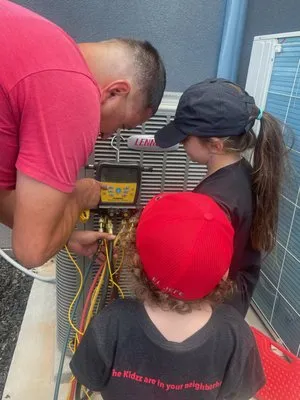
Chad Redford, one of the owners of Kidzz Mechanical, brings over 25 years of HVAC experience to Albuquerque. Starting from sweeping parking lots to becoming a master technician, Chad's journey reflect...
NCB Mechanical is a locally owned and licensed HVAC and plumbing contractor serving Albuquerque and the surrounding communities. Our technicians provide a wide range of residential services, from emer...
Homerun Plumbing Heating and Cooling
Founded in 2018, HomeRun Plumbing Heating & Cooling is a fully licensed, bonded, and insured home service company serving Albuquerque and the surrounding areas. With a combined 25+ years of industry e...
Number One Plumbing, AC, Solar & Electric
Number One Plumbing, AC, Solar & Electric has been a trusted local name in Albuquerque since 2005. Founded by contractor David, who brought over nine years of journeyman experience to the business, th...
Michaels Cooling and Heating
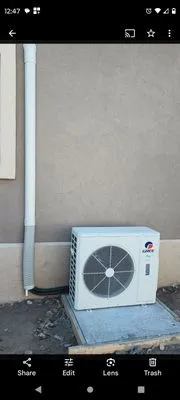
Michaels Cooling and Heating is a trusted HVAC and water heater service provider serving Albuquerque, NM, and surrounding communities including Rio Rancho, Los Lunas, Santa Fe, and Belen. Founded in A...
BakerHouse Service Co is a family-operated, American-owned HVAC/R contractor serving Albuquerque and all of New Mexico. Founded by second-generation technician Danial Baker, who began learning the tra...
Estimated HVAC Service Costs in South Valley, NM
Q&A
What does an Ecobee E1 alert mean for my South Valley HVAC system?
An Ecobee E1 error code specifically indicates the thermostat isn't detecting proper equipment operation, often due to communication failures between components. In South Valley's arid environment, this frequently signals evaporator coil issues from mineral buildup or refrigerant pressure problems. The alert allows for proactive maintenance before complete system failure, particularly important during periods of high cooling demand when emergency service availability decreases.
How does our local climate affect air conditioner performance?
South Valley's 96°F design temperature represents the peak condition HVAC systems are engineered to handle. When temperatures exceed this threshold during heatwaves, even properly sized systems may struggle to maintain setpoints. The industry's transition to R-454B refrigerant improves high-temperature performance compared to older R-410A, with better heat transfer characteristics at extreme temperatures while maintaining lower global warming potential.
What permits and safety standards apply to new HVAC installations?
All HVAC installations in South Valley require permits from the Bernalillo County Building Safety Division. The 2026 A2L refrigerant standards mandate specific safety measures for R-454B systems, including leak detection sensors, emergency ventilation in equipment rooms, and specialized technician certification. These regulations address the mild flammability characteristics of modern refrigerants while ensuring proper system performance and homeowner safety.
How do the new 2026 efficiency standards affect my utility bills?
The 2026 federal mandate requires all new systems to meet at least 14.3 SEER2 efficiency ratings. At PNM's current 0.15/kWh rate, upgrading from a 10 SEER unit to a 16 SEER2 system could save approximately $300-400 annually on cooling costs. The Inflation Reduction Act's HEEHRA rebate provides up to $8,000 toward qualifying high-efficiency installations, making the payback period significantly shorter for South Valley homeowners.
Should I consider switching from gas heat to a heat pump in South Valley?
With winter lows typically around 20°F and PNM's peak electricity rates from 16:00-20:00, modern cold-climate heat pumps can effectively replace gas systems in most South Valley homes. The optimal approach involves maintaining gas backup for the coldest nights while using the heat pump during off-peak hours. This hybrid configuration maximizes the HEEHRA rebate benefits while minimizing operating costs during utility peak periods.
What happens if my AC stops working during a South Valley heatwave?
For emergency no-cool situations, technicians can typically reach South Valley homes within 15-25 minutes from central dispatch locations. From Rio Bravo County Park, a service vehicle can access I-25 within minutes to reach most neighborhoods. This response time allows for same-day diagnosis of critical failures like compressor lockouts or refrigerant leaks that require immediate attention.
Can my existing ductwork handle better air filtration for wildfire smoke?
South Valley's galvanized sheet metal ducts with fibrous glass liners generally have sufficient structural integrity for MERV-13 filters, which capture wildfire PM2.5 and April pollen peaks. However, static pressure must be measured before upgrading, as older blower motors may struggle with the increased resistance. A professional can test your system's static pressure to determine if filter upgrades require blower adjustments or duct modifications.
Why do older South Valley homes have more HVAC problems?
Most South Valley homes were built around 1969, making their original HVAC systems approximately 57 years old. This age exceeds the typical 15-20 year lifespan of residential equipment. Older systems in arid climates like ours are particularly vulnerable to evaporator coil mineral buildup due to the combination of hard water and evaporative cooling interfaces. The mineral deposits reduce heat transfer efficiency and can lead to premature coil failure.
