
Top Emergency HVAC Services in Enterprise, NV, 89044 | Compare & Call

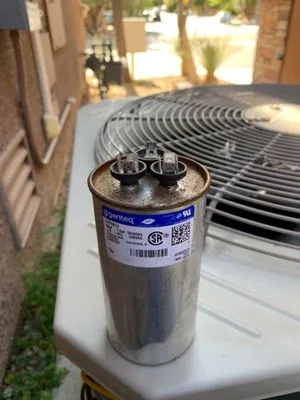
DaKine Heating & Cooling is your local, trusted HVAC partner in Enterprise, NV. Founded in 2020 by a team with over a decade of experience, we specialize in professional installation, repair, and main...
At our Enterprise, NV HVAC company, we approach every heating and air conditioning challenge with the conviction that no problem is beyond repair. Our philosophy centers on personalized service, thoro...
The Future of Heating and Cooling LLC is a local Enterprise HVAC company dedicated to providing sensible and affordable comfort solutions for homes and businesses. Our qualified technicians focus on f...
Pineapple's HVAC Solutions is your trusted local heating and air conditioning expert serving Enterprise, NV. We specialize in professional HVAC installation, repair, and maintenance services designed ...
Pham AC is your trusted local HVAC expert in Enterprise, Nevada. We specialize in keeping homes comfortable and efficient through professional installation, repair, and maintenance services. Our team ...
LV Air is a trusted HVAC contractor serving Enterprise, NV, specializing in installation, repair, and maintenance for residential and commercial properties. Living and working in the desert climate, w...
Arcane Air-conditioning is Enterprise, Nevada's trusted local HVAC specialist, dedicated to keeping your home comfortable year-round. We understand the frustration of poor airflow from vents and the w...
Valley Comfort Cooling is Enterprise, NV's trusted local HVAC partner, dedicated to keeping homes comfortable and energy-efficient. We understand the unique challenges of our desert climate, where com...
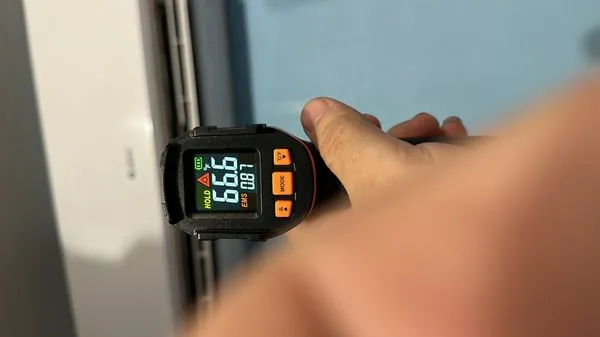
Q-AC is your trusted local HVAC specialist in Enterprise, NV, providing reliable heating and air conditioning services to keep homes comfortable year-round. We specialize in HVAC installation, repair,...

Sin City Climate Control is your trusted local HVAC expert serving Enterprise, NV, and the surrounding areas. We specialize in comprehensive heating and air conditioning solutions, including installat...
Questions and Answers
Our Ecobee thermostat shows an E4 error code. What does this mean for our Enterprise system?
The Ecobee E4 code indicates a communication failure between the thermostat and HVAC equipment. In Enterprise's arid climate, this often results from capacitor-induced voltage drops or control board failures exacerbated by heat exposure. The error typically appears during afternoon peak hours when electrical demand is highest. Immediate troubleshooting should focus on capacitor health and control voltage measurements, as prolonged communication failures can lead to compressor damage in high-temperature conditions.
What permits and safety standards apply to new R-454B system installations?
All Enterprise installations require permits from the Clark County Building Department, with specific documentation for A2L refrigerant systems. The 2026 standards mandate leak detection systems, emergency ventilation, and proper refrigerant charge calculations for R-454B installations. Technicians must hold EPA Section 608 certification with A2L-specific training. These requirements address R-454B's mild flammability while maintaining the refrigerant's lower global warming potential compared to previous options.
Why does our system struggle when temperatures approach 110°F?
Enterprise HVAC systems are designed for 108°F outdoor temperatures, creating a performance gap during extreme heat events. When ambient temperatures exceed design limits, refrigerant pressures rise and compressor efficiency drops by 15-20%. R-454B refrigerant maintains better pressure-temperature relationships than older refrigerants in these conditions, but all systems experience reduced capacity above their design temperature. Proper sizing through Manual J calculations accounts for this performance curve.
Can our existing ductwork handle better air filtration for wildfire smoke and spring pollen?
Galvanized sheet metal with fiberglass wrap ductwork typically supports MERV-13 filtration without static pressure issues when properly sized. During April pollen peaks and wildfire seasons with PM2.5 risks, MERV-13 filters capture 90% of particulates above 1 micron. We recommend measuring static pressure before upgrading filtration, as some older systems may require duct modifications to maintain proper airflow across the evaporator coil.
What efficiency standards apply to new Enterprise HVAC installations in 2026?
All new systems must meet the 14.3 SEER2 minimum requirement, representing a 15% efficiency improvement over previous standards. With NV Energy rates at $0.145/kWh, upgrading from a 10 SEER to 16 SEER2 system saves approximately $450 annually. The Inflation Reduction Act provides up to $8,000 in rebates for qualifying high-efficiency installations, making the payback period under 5 years for most Southern Highlands homes.
My Enterprise HVAC system seems to be struggling more each summer. How old is the typical system here?
Most Enterprise systems date to 2006, making them 20 years old in 2026. At this age, capacitor failure becomes common due to repeated exposure to 108°F design temperatures. The electrolytic fluid inside capacitors dries out faster in arid conditions, leading to hard starts and eventual compressor lockout. Regular capacitor testing every 2-3 years can prevent emergency breakdowns during peak cooling season.
Should we consider switching from gas heat to a heat pump in Enterprise?
Heat pumps work effectively in Enterprise's climate, with modern cold-climate models maintaining capacity down to 5°F. During utility peak hours from 1-7 PM, heat pumps operate at 300-400% efficiency compared to gas furnaces at 95%. The transition makes economic sense when considering NV Energy's $800 PowerShift rebate and federal incentives. For homes with existing gas infrastructure, hybrid systems that switch to gas during extreme cold provide optimal efficiency and reliability.
Our Southern Highlands home lost cooling during the afternoon heat. How quickly can a technician reach us?
From our service center near Exploration Peak Park, we dispatch technicians via I-15 to reach Southern Highlands within 15-25 minutes. For no-cool emergencies, we prioritize capacitor checks and refrigerant pressure verification. The arid climate means most afternoon failures involve capacitor breakdown or refrigerant pressure issues from extreme heat exposure. Quick response prevents indoor temperatures from rising 2-3°F per hour during peak hours.
