
Top Emergency HVAC Services in Reno, NV, 89433 | Compare & Call

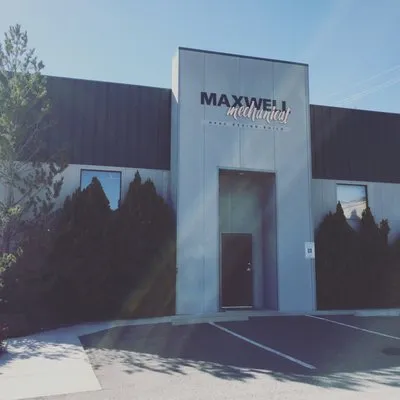
Maxwell Mechanical is a Reno-based HVAC design and construction company specializing in commercial and industrial applications. With a team of graduate mechanical engineers and skilled technicians, we...

A1 American Furnace is Reno's trusted local HVAC expert, specializing in keeping homes comfortable through our desert's extreme temperature swings. We understand that Reno's intense summer heat puts i...
Sweep Easy Chimney Sweep is a trusted, locally-owned service provider in Reno, NV, dedicated to maintaining safe and efficient heating systems. We specialize in chimney sweeping, inspection, and repai...
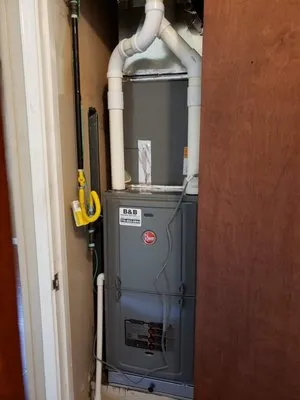
B & B Heating and Air
Founded in 2010 by an industry veteran with over 30 years of hands-on experience in the Reno/Sparks area, B & B Heating and Air is your hometown HVAC contractor. The owner's journey, which began in 19...
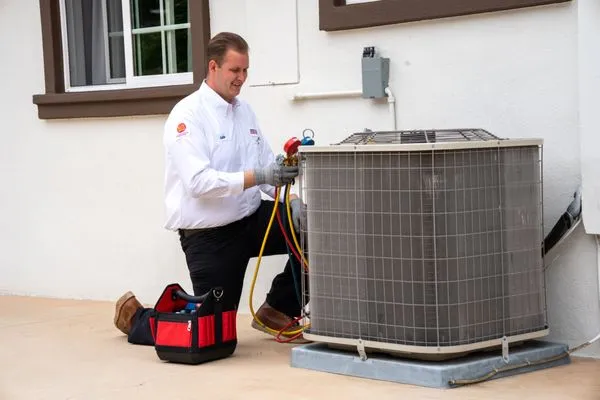
Sierra Air
Since 1986, Sierra Air has been the trusted HVAC and plumbing expert for Reno and Northern Nevada, installing over 30,000 systems. As a Carrier Elite Leadership Dealer, we bring specialized equipment ...
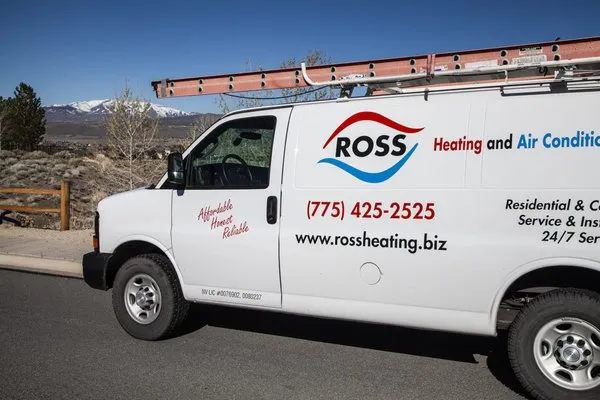
Ross Heating and Air Conditioning
Ross Heating and Air Conditioning, Inc. is a family-owned and operated HVAC contractor proudly serving Reno, Sparks, Carson City, and the greater Northern Nevada community since 2011. With over 25 yea...
Battleborn Vents is a trusted, locally-owned HVAC and air quality specialist serving Reno and Sparks. We focus on the essential services that keep your home comfortable and safe, from thorough air duc...
EMS Heating & Air is your trusted local HVAC partner in Reno. As a bilingual, family-owned company serving Northern Nevada since 1998, we understand the unique demands our climate places on your heati...
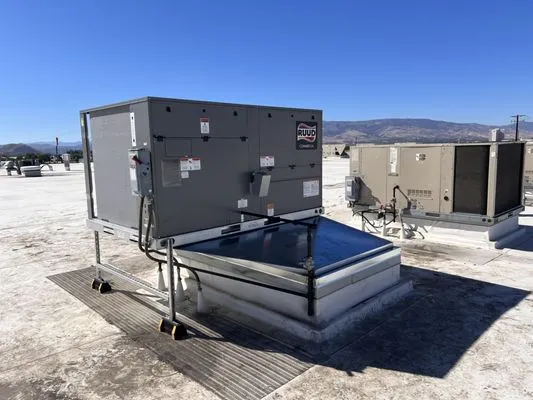
Peavine Heating & Air is your trusted local HVAC specialist serving Reno, Sparks, Truckee, and Lake Tahoe. We specialize in installing, maintaining, and repairing Variable Refrigerant Flow (VRF) and d...
Climate Pros of Northern Nevada
Climate Pros of Northern Nevada is your Reno-area neighbor for reliable heating and cooling solutions. We focus on residential and light commercial HVAC sales, installation, and repair. Our team provi...
Frequently Asked Questions
My Ecobee thermostat shows an E1 error code. What does this mean for my Reno HVAC system?
The Ecobee E1 alert indicates communication loss between the thermostat and HVAC equipment. In Reno installations, this often results from voltage fluctuations during summer electrical demand or wiring degradation in older homes. The error triggers equipment shutdown to prevent damage from incorrect operation. Diagnosis typically involves checking low-voltage wiring connections at both the thermostat and air handler, with particular attention to the common wire connection that completes the 24-volt circuit.
What permits and safety standards apply to new AC installations in Reno?
The City of Reno Building and Safety Division requires permits for all HVAC equipment replacements. 2026 installations must comply with A2L refrigerant safety standards for R-454B systems, including leak detection and ventilation requirements in equipment rooms. These standards address the mild flammability characteristics of modern refrigerants while maintaining efficiency gains. Proper documentation of refrigerant charge and safety system testing ensures compliance with both local codes and manufacturer warranty requirements.
What does the 14.3 SEER2 minimum requirement mean for my Reno home's new AC installation?
The 14.3 SEER2 mandate represents the 2026 federal minimum efficiency standard for new installations. At Reno's 14 cents per kWh utility rate, upgrading from older 10 SEER equipment to 16+ SEER2 models typically reduces cooling costs by 30-40%. The Inflation Reduction Act provides rebates up to $8,000 per household, making high-efficiency systems more accessible. This combination of regulatory standards and financial incentives encourages optimal energy performance.
My Reno home's AC seems to be struggling more each summer. Could its age be the main factor?
Homes in Reno average construction around 1989, making many HVAC systems approximately 37 years old in 2026. This age exceeds typical equipment lifespans of 15-20 years. Older condenser fan motors in these units are particularly vulnerable to desert dust accumulation, which acts as an abrasive on bearings and windings. The combination of age and environmental stress creates predictable failure points that reduce cooling capacity and increase energy consumption.
Why does my AC struggle when Reno temperatures exceed 92 degrees?
HVAC systems in Reno are designed for 92°F outdoor temperatures based on historical climate data. When actual temperatures reach summer highs above this design limit, capacity decreases while heat gain increases. The R-454B refrigerant standard for 2026 installations maintains better performance at elevated temperatures than older refrigerants. Proper sizing through Manual J calculations ensures systems can handle typical heat loads while maintaining efficiency during temperature extremes.
Should I consider switching from gas heat to a heat pump in Reno's climate?
Reno's winter lows and utility peak hours from 1-7 PM create favorable conditions for modern heat pumps. Cold-climate heat pumps maintain efficiency down to 5°F, covering most Reno winter conditions. During NV Energy's peak rate periods, heat pumps typically operate more economically than gas systems at current fuel prices. The dual heating and cooling capability provides year-round climate control with a single refrigerant circuit, though backup heat may be needed during extreme cold snaps.
Our Midtown home lost cooling during a hot afternoon. How quickly can a technician arrive?
A technician can typically reach Midtown addresses within 12-18 minutes from dispatch. Routing from Virginia Lake Park via I-80 provides efficient access throughout the neighborhood. For no-cool emergencies, this response time allows diagnosis before indoor temperatures rise significantly. Quick intervention helps prevent compressor damage during Reno's high-temperature periods.
Can my home's existing ductwork handle better air filtration for Reno's wildfire smoke and pollen seasons?
Fiberboard and galvanized steel ductwork common in Reno homes presents static pressure challenges with MERV-13 filters. These filters effectively capture wildfire PM2.5 and May pollen peaks but increase airflow resistance. A static pressure test determines if your system can accommodate upgraded filtration without reducing airflow. Many 1980s-era duct systems require modifications or ECM blower upgrades to maintain proper air exchange with high-efficiency filters.
