
Top Emergency HVAC Services in Sun Valley, NV, 89433 | Compare & Call

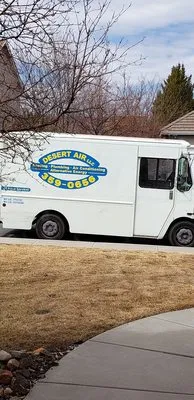
Desert Air
Desert Air has been a trusted fixture in Northern Nevada since 1994, providing reliable heating, air conditioning, and plumbing services to Sun Valley and surrounding areas. As a licensed and bonded c...

C & C Refrigeration is Sun Valley's trusted HVAC specialist, dedicated to solving the area's most common home comfort challenges. We understand that many local homes suffer from uneven cooling and sys...
FAQs
Is it practical to switch from my gas furnace to a heat pump?
For Sun Valley, a dual-fuel system using a heat pump for moderate cold and a gas furnace for extreme lows below 25°F is often optimal. Modern cold-climate heat pumps operate efficiently in our winter climate, and shifting your electrical use away from NV Energy's 13:00-19:00 peak hours can maximize savings. The significant federal rebates for heat pumps make this transition more economical than ever for gas heat homes.
What are the permit and safety rules for a new AC installation in 2026?
All installations in Washoe County require a permit from the Building and Safety Division. As of 2026, new systems using A2L refrigerants like R-454B must comply with updated safety standards (UL 60335-2-40). This mandates leak detection systems, revised clearance zones, and specific installer certifications. These codes address the mild flammability of A2Ls and ensure safe operation in your home's mechanical space.
My Ecobee thermostat is showing an E1 alert. What does that mean here?
An Ecobee E1 alert indicates the thermostat has lost communication with your HVAC equipment. In Sun Valley, this is frequently caused by a safety limit switch tripping due to restricted airflow from a dirty filter or a failing blower motor. The arid dust accelerates filter loading. This alert is a critical signal to prevent system lockout and potential heat exchanger stress on your furnace before a complete failure occurs.
How well does a new air conditioner handle our hottest summer days?
Sun Valley's design temperature for HVAC sizing is 94°F, but summer highs regularly exceed 100°F. This 6+ degree gap means systems must be properly sized with a Manual J load calculation to avoid constant cycling or failure. Modern units using the new R-454B refrigerant maintain better efficiency and capacity at these high ambient temperatures compared to older R-410A systems, providing more stable cooling during heat waves.
What's the response time for an emergency no-cool call in Sun Valley Highlands?
For a no-cool emergency, dispatch from our office near Sun Valley Community Park allows for a 15-20 minute response via US-395. We prioritize these calls to protect your system from secondary damage. A quick response is critical in our arid climate to prevent refrigerant pressure spikes and compressor overload during the initial diagnostic.
Can my existing ductwork handle better air filters for wildfire smoke?
Your galvanized sheet metal ducts with R-6 wrap are generally robust, but adding a high-MERV filter for PM2.5 from wildfires requires a static pressure check. A MERV-13 filter can increase resistance by 0.2" to 0.4" WC. If your system's blower isn't rated for that added load, it can reduce airflow and cause the evaporator coil to freeze. A technician should measure your system's external static pressure before upgrading filtration.
Why do so many Sun Valley systems need repairs right now?
The average home here was built in 1990, meaning many original HVAC units are 36 years old. At this age, the critical failure point is evaporator coil scaling. Sun Valley's arid air carries fine, dry dust, which mixes with hard water condensate on the coil. This forms a cement-like scale that insulates the coil, drastically reducing its ability to absorb heat and leading to compressor failure.
What do the new 2026 SEER2 standards mean for my utility bill?
Federal law now mandates a minimum 14.3 SEER2 for new installations. Upgrading a 36-year-old system to a modern 18+ SEER2 unit can cut cooling energy use by over 40%. At Sun Valley's 0.14/kWh rate, this creates significant annual savings. The Inflation Reduction Act's HEEHRA rebates, capped at $8,000, can directly offset the cost of a high-efficiency unit that exceeds these new standards.
