
Top Emergency HVAC Services in Brooklyn, NY, 11201 | Compare & Call

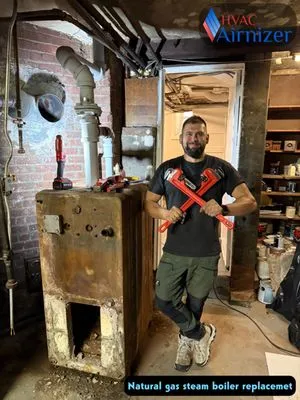
Airnizer HVAC
Airnizer HVAC is a Brooklyn-based, EPA-certified heating and air conditioning contractor serving New York City's five boroughs and Nassau County. Founded in 2020 and owned by technician Eugene, the co...
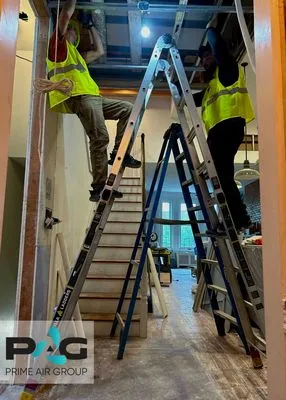
Prime Air Group is a Brooklyn-based HVAC contractor that has been providing reliable heating and cooling solutions to the local community since 2011. As a certified, licensed, and insured company, the...
At Mr Air NYC, our passion is bringing whole-home comfort to life. We love the mechanics of a building—how plumbing, electrical, and HVAC systems work together to create a comfortable environment. Fou...
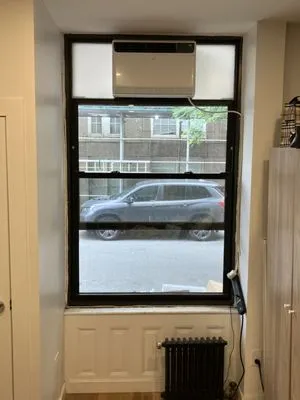
StayCoolNYC was founded in Brooklyn by a technician with years of experience at a larger HVAC company. That background taught the value of providing reliable service and clear options for every custom...
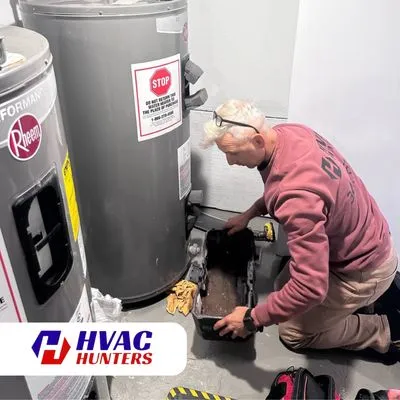
HVAC Hunters is a Brooklyn-based, EPA-certified, and fully insured HVAC company serving New York City. We bring a meticulous, European-inspired approach to every project, specializing in the installat...
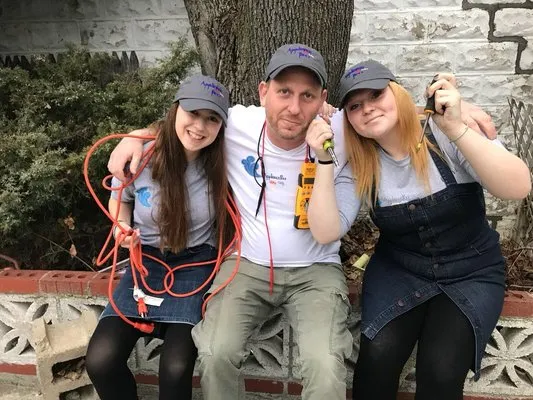
Brownstone Heating & Air Conditioning is a locally owned HVAC service in Brooklyn, NY, built on a foundation of reliability, clear communication, and integrity. We provide upfront pricing with no surp...
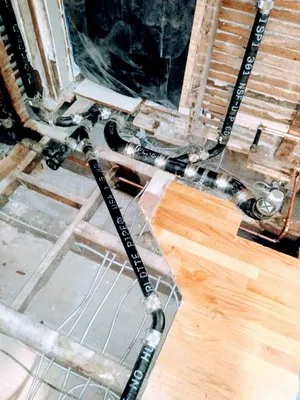
Michael Donahue Plumbing & Heating
Michael Donahue Plumbing & Heating is a trusted, family-owned business with deep roots in Brooklyn. Founded in 1995 and operating for over 50 years, we have built our reputation on reliable service fo...
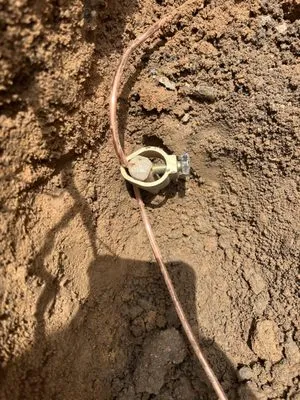
Breezy Electrical
Breezy Electrical, formerly known as JEM Lighting & LED Specialists, is a Brooklyn-born and operated electrical service company with deep roots in the community. Founded as a small family-run resident...
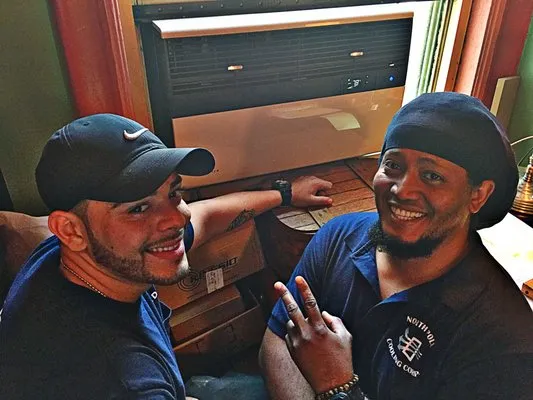
North Pole Cooling Corp. is a licensed, Brooklyn-based HVAC provider serving all five boroughs of NYC with 24/7, seven-day-a-week availability. Our certified technicians specialize in the sales, servi...
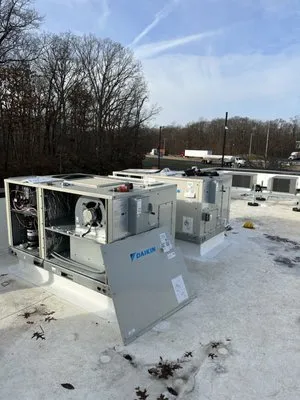
Art Hvac
Art HVAC has been a trusted name in Brooklyn's home comfort since the 2000s. Founded by a team with over 15 years of industry experience, we specialize in providing reliable heating, ventilation, and ...
Questions and Answers
I'm hearing about new SEER2 standards. What does the 14.3 minimum mean for my energy bills and upgrade costs?
The 14.3 SEER2 minimum is a 2026 federal efficiency standard for new installations, representing a significant jump from older units often found in historic homes. At Con Edison's current rate of $0.28 per kWh, upgrading to a modern 18+ SEER2 system can cut cooling costs by over 30%. The active Inflation Reduction Act (HEEHRA) rebates, with a cap of $8,000, directly offset this higher upfront cost. This makes the payback period for a high-efficiency upgrade in Brooklyn financially practical.
With spring pollen and summer ozone alerts, what kind of air filter should I use in my older home?
Brooklyn's May pollen peak and elevated ozone risk make high-grade filtration valuable. However, the original galvanized steel ductwork in a 1939 home may not handle a restrictive MERV-13 filter without causing high static pressure and reduced airflow. A professional should measure your system's static pressure to determine if duct modifications are needed. A balanced approach often involves a high-quality MERV-11 filter and a standalone HEPA air purifier for the main living area.
My old furnace seems to have reached the end of its service life. What should I expect from a system in a Brooklyn Heights home?
Homes in this area were often built in the 1930s and 1940s, meaning the original HVAC systems are now 85+ years old. A unit of this vintage has galvanized steel ductwork that can develop leaks, and the heat exchanger is likely operating well below modern safety and efficiency standards. The most common failure point we see in these aged systems is condensate drain line clogs from biological growth, which can lead to water damage and system shutdowns. Proactive replacement is advised before a catastrophic failure occurs during a heating season.
Given we use natural gas heat, is it worth considering a heat pump for our Brooklyn home?
A modern cold-climate heat pump is a viable primary heat source for Brooklyn, where winter lows typically stay above the unit's effective operating range. The key economic advantage comes from shifting load away from natural gas to electricity, especially if you avoid Con Edison's peak hours from 2 PM to 8 PM. Combining a heat pump with the HEEHRA rebates and Con Edison's HVAC rebate of up to $1,000 can make the total project cost competitive with a traditional gas furnace replacement.
My Ecobee thermostat is showing an 'E1' alert. What does this mean for my system?
An Ecobee E1 error code specifically indicates a communication failure between the thermostat and your HVAC equipment. In Brooklyn's older homes, this is frequently caused by a condensate drain line clog triggering a safety float switch, which cuts power to the control board. It can also point to corroded wiring connections in the original galvanized steel conduit. This alert allows for predictive maintenance—addressing the underlying drain issue or electrical connection—before a complete system failure occurs.
What are the legal and safety requirements for installing a new AC unit in Brooklyn?
All HVAC installations in Brooklyn require a permit from the NYC Department of Buildings (DOB) Mechanical Division, with inspections to ensure code compliance. As of 2026, new systems must use lower-GWP A2L refrigerants like R-454B, which are mildly flammable. This mandates specific safety standards: leak detectors must be installed in the equipment closet, and all service technicians require EPA Section 608 certification for handling flammable refrigerants. Failure to adhere to these codes can void equipment warranties and create safety hazards.
If my air conditioning fails during a Brooklyn heatwave, how quickly can a technician typically arrive?
For a no-cool emergency in Brooklyn Heights, a qualified technician can generally be dispatched within 15 to 25 minutes. Our service routing uses I-278 and the local grid around the Brooklyn Bridge to optimize travel from our central dispatch. We prioritize these calls to prevent heat-related stress on both the system and the household. Having your system's make, model, and any visible error codes ready will further expedite the diagnostic process upon arrival.
How well does a modern air conditioner handle our hottest Brooklyn summer days?
HVAC systems are engineered to a specific design temperature, which for Brooklyn is 89°F. On days that exceed this, which is common during heatwaves, the system must run continuously to maintain temperature, reducing its effective capacity. The new standard R-454B refrigerant operates efficiently within this range but will experience a performance drop as ambient temperature climbs. Proper sizing via a Manual J load calculation is critical to ensure the unit isn't undersized for these peak conditions.
