
Top Emergency HVAC Services in College Point, NY, 11356 | Compare & Call

There are 235 hvac companies server in College Point NY
JC National Air Conditioning Corp is a locally-owned and operated HVAC company dedicated to serving Queens and the greater New York City area. Founded by a team of licensed professionals, our approach...
AC Heating
AC Heating is your Bronx-based HVAC specialist, founded by Felipe with over a decade of hands-on experience in the field. We focus on providing quality and efficient heating, cooling, and plumbing ser...
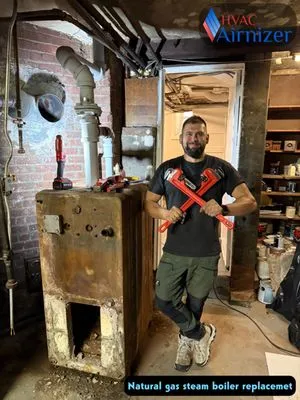
Airnizer HVAC
Airnizer HVAC is a Brooklyn-based, EPA-certified heating and air conditioning contractor serving New York City's five boroughs and Nassau County. Founded in 2020 and owned by technician Eugene, the co...
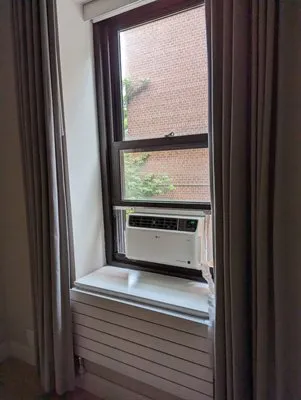
Keep Cool NYC is a specialized, seasonal air conditioner installation service operated by experienced NYC handymen. Our focus is on providing reliable and secure installations for both window and thro...
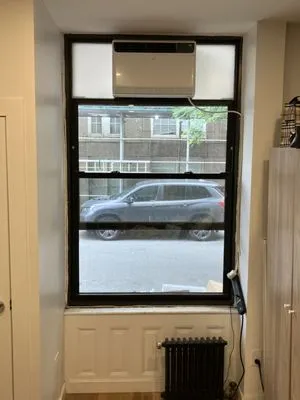
StayCoolNYC was founded in Brooklyn by a technician with years of experience at a larger HVAC company. That background taught the value of providing reliable service and clear options for every custom...
Brownstone Heating & Air Conditioning is a locally owned HVAC service in Brooklyn, NY, built on a foundation of reliability, clear communication, and integrity. We provide upfront pricing with no surp...
DNS Plumbing & Heating
DNS Plumbing & Heating is a locally owned and operated New York City plumbing and HVAC company with nearly two decades of experience. Founded by a plumber who grew up in NYC construction, the business...
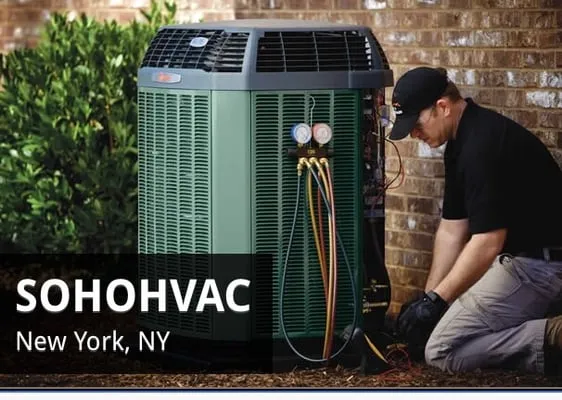
SohoHVAC is a New York City-based heating and air conditioning specialist serving both commercial and residential clients. With a focus on tailoring solutions to individual needs, the team provides co...
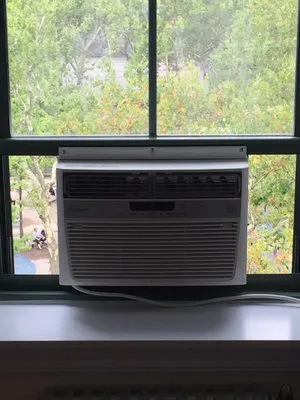
With over two decades of experience rooted in a family tradition of craftsmanship, S & S Handyman brings a dedicated and personal approach to home repairs in New York. I started this venture out of a ...
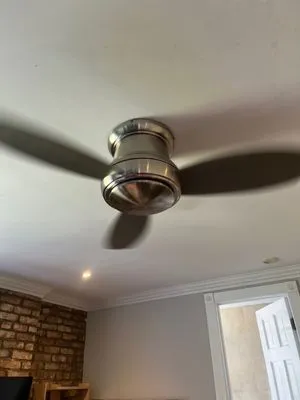
Aircon in New York, NY is a licensed HVAC service provider specializing in the precise installation and thorough maintenance of window and wall air conditioning units. We service a full range of BTU c...
Estimated HVAC Service Costs in College Point, NY
Q&A
Is switching from my natural gas furnace to a heat pump a good idea for College Point winters?
A modern cold-climate heat pump is a viable primary heat source for our region. While winter lows can challenge older models, current units maintain efficient heating capacity well below freezing. The economic case strengthens when considering Con Edison's peak electricity rates from 2 PM to 8 PM; a well-insulated home allows the heat pump to operate mostly off-peak. Combining the heat pump with the existing gas furnace as a dual-fuel or backup system provides resilience and often maximizes seasonal savings.
If my AC stops on a hot day in College Point, how fast can a technician get here?
A no-cool emergency requires a prompt dispatch. From a central location like College Point Park, a service van can access the I-678 Van Wyck Expressway to reach any part of the neighborhood efficiently. Accounting for local traffic patterns, a confirmed emergency call typically results in a technician arriving on-site within 35 to 50 minutes. This routing logic prioritizes getting your system back online before indoor temperatures become uncomfortable.
What are the permit and safety requirements for a new AC installation in College Point?
All HVAC replacements in College Point require a permit from the NYC Department of Buildings (DOB) Queens Borough Office. As of 2026, most new systems use A2L refrigerants like R-454B, which are mildly flammable. DOB permits now require proof that the installing contractor is EPA 608 certified for A2Ls and follows specific safety standards for leak detection, room size calculations, and labeling. This ensures the installation meets current codes for both efficiency and the safe handling of new refrigerant types.
Why does my AC struggle on the hottest days, even if it's newer?
HVAC systems are engineered to a specific design temperature, which for College Point is 89°F. On days that exceed this, which happens each summer, the system must run continuously to maintain temperature, and the indoor humidity level will rise. The newer R-454B refrigerant standard performs well in these high-ambient conditions, but its capacity still drops as outdoor temperatures climb past the design point. Proper sizing from a Manual J load calculation is critical to minimize this performance gap.
How old are the air conditioners in College Point homes, and what's the most common issue they face?
The average home here was built in 1954, meaning many original HVAC systems are over 70 years old. Modern components in a replacement unit will be far more reliable, but age itself isn't the only factor. The humid continental climate creates high moisture loads, which is why condensate line blockage is a leading failure point. This humidity, combined with typical system age, causes algae and mold growth that clogs the drain, leading to water leaks and system shutdowns.
My Nest thermostat is showing an E74 alert. What does that mean for my system?
A Nest E74 error indicates it cannot detect power from the Rh wire, which is the 24-volt heating call from your thermostat. In a College Point home with natural gas heat, this typically points to an issue with the furnace control board or a safety switch trip, not the outdoor unit. This alert is a predictive signal; the furnace may fail to start on the next call for heat. It requires a technician to diagnose the furnace's control circuit, check for blocked vents, or inspect the flame sensor.
Can the ductwork in my College Point home handle better air filters for ozone and pollen?
Improved filtration addresses College Point's seasonal ozone risk and May pollen peak. Many homes here have original galvanized steel ductwork, which is robust but often undersized for modern airflow needs. Installing a high-MERV filter, like a MERV-13, increases static pressure. A technician must measure your system's static pressure to confirm the existing ductwork and blower can handle the upgrade without reducing airflow or causing the furnace to overheat.
What's the new efficiency standard for 2026, and do the utility savings justify an upgrade?
Federal law now mandates a minimum of 14.3 SEER2 for new central air conditioners in our region. Upgrading from an old 10 SEER unit to a modern 18 SEER2 model can reduce cooling electricity use by nearly 45%. With Con Edison rates at $0.28 per kWh, the annual savings are significant. The Inflation Reduction Act's HEEHRA rebates, with caps up to $8,000, directly offset the higher upfront cost of these efficient units, improving the payback period.
