
Top Emergency HVAC Services in Fulton, NY, 13069 | Compare & Call

There are 62 hvac companies server in Fulton NY
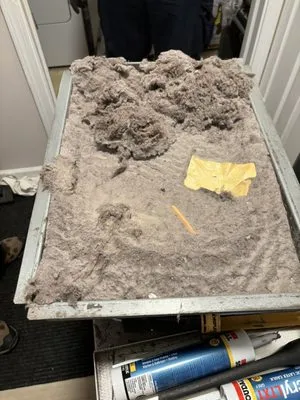
Founded in 1993, Indoor Air Professionals (IAP) is a Rochester-based company dedicated exclusively to improving indoor air quality. As the area's only provider focused comprehensively on this field, o...

For over three decades, Comfort Technology has been the trusted name for home comfort in Dryden and across the Finger Lakes region. Since 1988, our locally-owned team has focused on providing reliable...
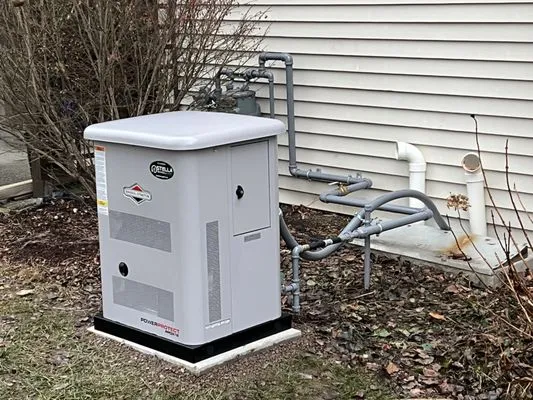
Stella Mechanical and Energy
Stella Mechanical and Energy is a service-disabled, veteran-owned business in Newark, NY, specializing in electrical and HVAC services. We focus on energy efficiency and safety, offering solutions lik...

Steve Cooper is the owner of Lake Country Geothermal in Walworth, NY. A lifelong outdoorsman with a passion for fishing, hiking, and exploring the Finger Lakes, his deep respect for the environment is...
C Pipolo General Contractor
C Pipolo General Contractor is a trusted, full-service contractor serving Newark, NY, and the surrounding Wayne County area. We specialize in plumbing, heating, and air conditioning services, providin...
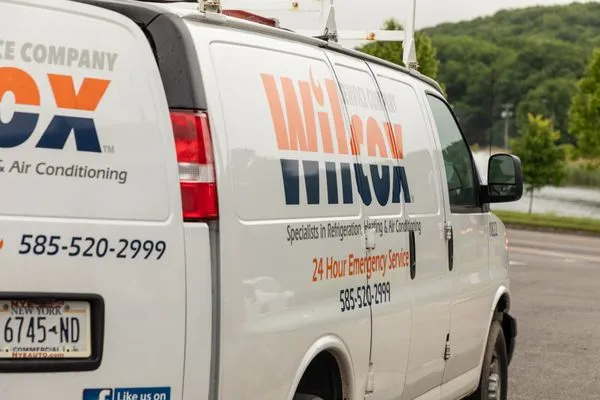
Wilcox Service Company is a Williamson-based HVAC and refrigeration specialist founded in 2013 by Jon and Rachel Wilcox. Jon brings over a decade of field experience as a technician and service manage...

Hummingbird Heating & Cooling is your dependable local HVAC specialist in Syracuse, NY, and the surrounding upstate communities. We provide reliable heating and cooling solutions for both homes and bu...

Angelo Chiodo Heating & Air Conditioning
Since 1978, Angelo Chiodo Heating & Air Conditioning has been a trusted name for Syracuse homes and businesses, continuing a family tradition of service that began in 1929. We specialize in comprehens...

Isaac Heating & Air Conditioning
For nearly 80 years, Isaac Heating & Air Conditioning has been a trusted partner for Syracuse homeowners and businesses. Founded in 1945, our growth has been driven by a commitment to meet the evolvin...
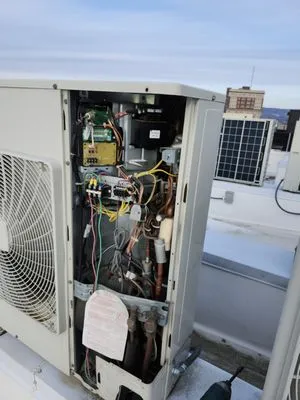
One Stop Heating and Cooling is a trusted Utica HVAC company dedicated to keeping homes comfortable year-round. We specialize in professional installation, repair, and maintenance of heating and cooli...
Estimated HVAC Service Costs in Fulton, NY
FAQs
What does an Ecobee E4 alert mean for my Fulton HVAC system?
The Ecobee E4 code specifically indicates a communication error between the thermostat and outdoor unit. In Fulton's humid environment, this often points to corroded wiring connections or control board issues exacerbated by moisture. This alert allows for proactive repair before complete system failure occurs. A technician can diagnose whether the issue is localized to the thermostat wiring or involves the outdoor unit's control circuitry.
How does Fulton's summer heat affect air conditioner performance?
Fulton's design temperature of 85°F represents the outdoor condition at which systems are sized to maintain indoor comfort. When temperatures exceed this threshold, systems must work harder, reducing efficiency and capacity. The R-454B refrigerant standard for 2026 installations offers better heat transfer characteristics than older refrigerants, maintaining closer to rated performance during heatwaves while operating at lower pressures for safety.
What should I do if my air conditioning stops working during a Fulton heatwave?
First, check your thermostat settings and circuit breakers. If the system remains off, contact a technician immediately. From the Fulton War Memorial area, a service vehicle can reach most Downtown Fulton locations via NY-481 within 5-10 minutes. Quick response prevents further damage to components like compressors that overheat without proper cooling.
Are the new SEER2 requirements worth the investment in Fulton?
The 2026 minimum SEER2 standard of 14.3 represents about a 15% efficiency gain over previous models. With Fulton's electricity rate at $0.21 per kWh, a properly sized 2.5-ton system meeting this standard can save approximately $150-200 annually. The Inflation Reduction Act provides rebates up to $8,000, making the payback period significantly shorter for homeowners upgrading from older equipment.
What permits and standards apply to new HVAC installations in Fulton?
All HVAC installations in Fulton require permits from the City of Fulton Building and Zoning Department. For 2026, systems using R-454B refrigerant must comply with A2L safety standards, including leak detection systems and proper ventilation in equipment rooms. These regulations address the mildly flammable nature of new refrigerants while maintaining their environmental benefits. Professional installation ensures compliance with both local codes and federal refrigerant handling requirements.
How old is the typical HVAC system in Fulton homes?
The average Fulton home was built in 1951, making most HVAC systems around 75 years old. Galvanized steel ductwork from that era often develops leaks and corrosion. This aging infrastructure contributes to frozen evaporator coils because debris accumulates in compromised ducts, restricting airflow across the coil. Proper maintenance becomes critical for systems operating beyond their expected lifespan.
Can my Fulton home's ductwork handle better air filters?
Galvanized steel ductwork from mid-century homes often has higher static pressure than modern systems. While it can typically accommodate MERV-13 filters, this depends on the blower motor capacity. Given Fulton's ozone risk and May pollen peak, improved filtration is beneficial, but a technician should measure static pressure to ensure the system won't overwork. Proper sealing of existing duct leaks improves both air quality and efficiency.
Should I switch from natural gas to a heat pump in Fulton?
Heat pumps work effectively in Fulton's climate, with modern cold-climate models maintaining efficiency down to -15°F. The 14:00-18:00 utility peak hours coincide with typical heating demand in winter afternoons. A dual-fuel system that combines a heat pump with your existing natural gas furnace provides the most cost-effective solution, using electricity during off-peak hours and gas during extreme cold or peak rate periods.
