
Top Emergency HVAC Services in North Boston, NY, 14075 | Compare & Call

There are 76 hvac companies server in North Boston NY
Zenner & Ritter
Zenner & Ritter has been a cornerstone of the Buffalo community since the late 1920s, providing reliable heating, cooling, and plumbing services for generations. Still family-owned and operated by Bar...

Isaac Heating and Air Conditioning
For over 75 years, Isaac Heating and Air Conditioning has been a trusted family-owned name in Buffalo. Founded in 1945 by George T. Isaac, the company is built on a foundation of safety, integrity, an...
Buffalo Appliance Heating & Cooling
Buffalo Appliance Heating & Cooling provides reliable repair and installation services for home appliances and HVAC systems in Buffalo, NY. Since 2008, we have built a reputation for honest, upfront p...
Belknap Heating & Cooling is a locally-owned HVAC company serving East Amherst and the Buffalo Niagara region since 1967. With deep roots in Western New York, the company provides reliable heating and...
Roy's Plumbing Heating Cooling & Electrical
Roy's Plumbing Heating Cooling & Electrical has been serving Buffalo homes and businesses since 1973 as a family-operated provider of comprehensive plumbing, HVAC, and electrical services. Specializin...

Frank's Mr. Plumber
Frank's Mr. Plumber is a family-owned plumbing and HVAC company serving Tonawanda and Western New York since 1985. Founded by Frank DiMaria, the business has grown from a one-person operation into a t...
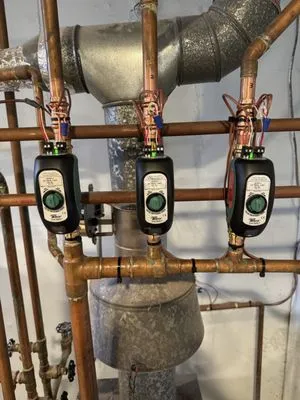
Lore Heating and Cooling
Lore Heating and Cooling is a family-owned and operated HVAC service provider based right here in Hamburg, proudly serving the greater Buffalo and Western New York area. As a fully licensed and insure...
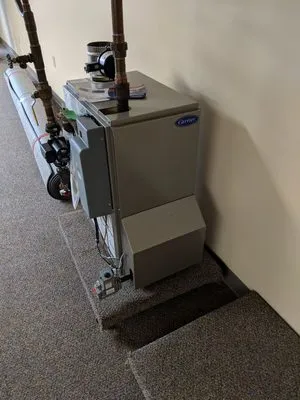
Armor Heating
Armor Heating has been the trusted name for home comfort in Orchard Park and Western New York since our founding in 1958. With over 60 years of experience, we are a family-owned and operated business ...
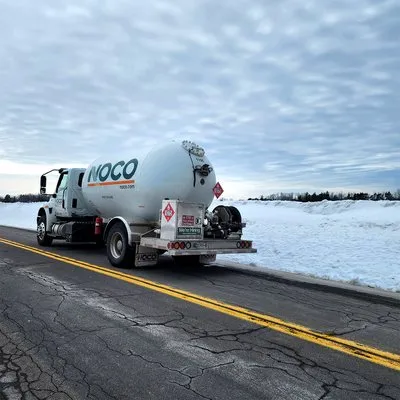
NOCO HVAC, Fuels, and Energy, located at 199 Fire Tower Drive in Tonawanda, is a local resource for home comfort and energy management. We specialize in installing and repairing heating and cooling sy...
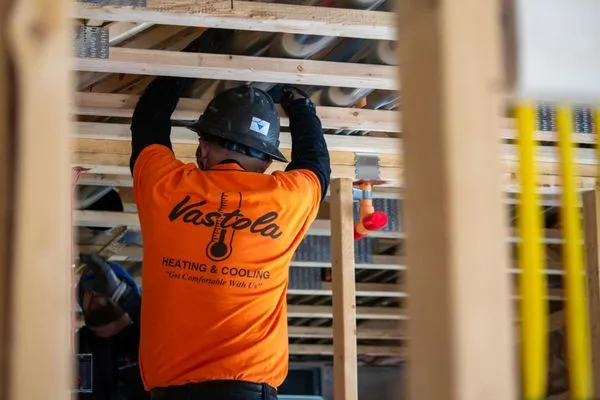
Vastola Heating & Cooling
For over 75 years, Vastola Heating & Cooling has been a trusted, family-operated name in Orchard Park and across Western New York. Specializing in residential and light commercial systems, we provide ...
Estimated HVAC Service Costs in North Boston, NY
Questions and Answers
How do modern refrigerants handle our hottest summer days?
North Boston's 86°F design temperature represents the peak cooling load engineers plan for, though actual temperatures occasionally exceed this threshold. R-454B refrigerant maintains stable pressure-temperature relationships up to about 120°F ambient, providing reliable cooling capacity during heatwaves. Its lower global warming potential compared to older refrigerants aligns with 2026 environmental standards while delivering consistent performance across our temperature range.
What permits and safety rules apply to new AC installations?
The Town of Boston Building Department requires permits for all HVAC equipment replacements, with specific documentation for A2L refrigerants like R-454B. 2026 standards mandate leak detection systems, service valve requirements, and proper equipment room signage for mildly flammable refrigerants. These protocols ensure safe handling during installation and future servicing while maintaining compliance with both local codes and updated national refrigerant safety standards.
Should I switch from gas heat to a heat pump in North Boston?
Heat pumps now provide effective heating down to 0°F, making them viable for North Boston's climate. The economic case strengthens when considering NYSERDA's Clean Heat rebates ($1,000-$4,000) and shifting from gas to electric heat during 2-6pm peak hours. Modern cold-climate heat pumps maintain efficiency during winter lows while offering summer cooling, creating a year-round solution that leverages time-of-use rate management strategies.
My Ecobee shows an E4 error - what does this mean here?
An Ecobee E4 alert specifically indicates the thermostat isn't detecting adequate temperature change across your system. In North Boston's moderately humid climate, this often signals reduced airflow from a dirty filter, failing blower motor, or the beginning stages of evaporator coil freezing. Addressing E4 alerts promptly prevents the system from working harder than designed, which protects compressor life and maintains dehumidification capacity during humid periods.
Can my old ductwork handle better air filters for pollen season?
Galvanized steel ductwork from 1960s homes often has adequate structural integrity for MERV-13 filters, but static pressure becomes the limiting factor. These higher-efficiency filters create more airflow resistance, which can reduce system capacity if not properly evaluated. During May's pollen peak, we measure static pressure before recommending MERV-13 filters to ensure they won't overtax your blower motor while capturing ozone and particulate contaminants.
What does the 14.3 SEER2 minimum mean for my electric bill?
The 2026 SEER2 standard requires new systems to achieve at least 14.3 SEER2, representing about a 15% efficiency gain over pre-2023 models. At North Boston's 21¢/kWh rate, this translates to roughly $150-200 annual savings for a typical 2.5-ton system. The Inflation Reduction Act's $8,000 rebate cap makes upgrading financially accessible by offsetting much of the premium for higher-efficiency equipment.
My AC stopped working during a heatwave - how fast can someone get here?
From our dispatch near Boston Town Hall, technicians take US-219 directly into North Boston neighborhoods. This routing avoids downtown congestion and delivers service within 15-20 minutes for emergency no-cool calls. We prioritize heatwave responses because extended downtime in summer heat risks both comfort and equipment damage from overtaxed components.
Why do so many North Boston AC systems freeze up in summer?
The average HVAC system in North Boston is 59 years old, dating from 1967. Older units develop refrigerant leaks and airflow restrictions over decades of service. When refrigerant levels drop or airflow slows across the evaporator coil, the coil temperature can fall below freezing. This causes condensation to ice over the coil, blocking heat transfer and creating a cycle of reduced cooling capacity.
