
Top Emergency HVAC Services in Rock Hill, NY, 12775 | Compare & Call

There are 118 hvac companies server in Rock Hill NY
E. Mule & Son Plumbing & Heating
E. Mule & Son Plumbing & Heating Inc. is a family-owned and locally operated plumbing and HVAC service provider serving Middle Village, NY, and surrounding areas. Our team of licensed master plumbers ...
Browns Plumbing Heating and Air Conditioning
Browns Plumbing Heating and Air Conditioning has been a trusted name for home comfort in Cornwall-on-Hudson, NY, and the surrounding area. We provide a full spectrum of services to keep your home runn...
1010 HVAC is your trusted, local heating and cooling specialist serving Port Washington. We focus on providing reliable HVAC installations and replacements, with a particular expertise in ductless min...
Besson Heating & Cooling
Besson Heating & Cooling, Inc. is a trusted, licensed HVAC service provider proudly serving Middletown and surrounding Orange and Sullivan Counties for over 25 years. We specialize in heating, cooling...
Lions Heating & Cooling is a trusted, locally owned HVAC provider in Bloomingburg, NY, with over a decade of experience serving the community. We offer comprehensive heating and cooling solutions, inc...
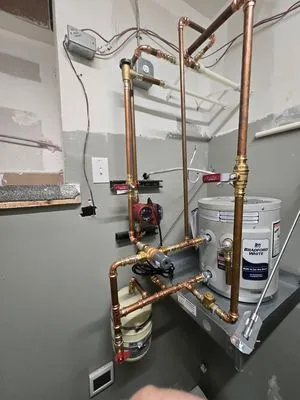
Flo-Pro Plumbing Heating and Cooling is a family-run, locally-owned business serving Rock Hill, NY, and the surrounding communities. With over 20 years of combined experience in plumbing, sheet metal ...
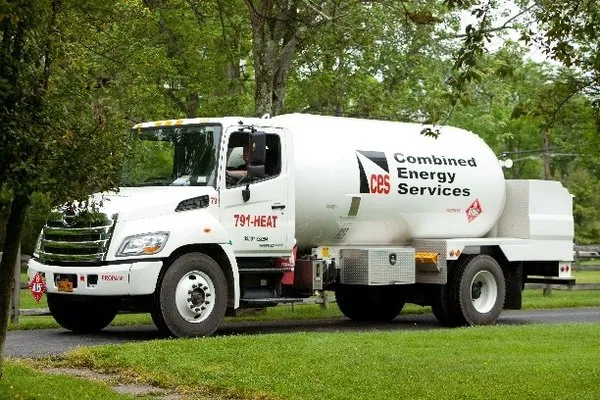
Combined Energy Services (CES) is a family-owned provider of propane and HVAC services in Liberty, NY, with deep roots in the community. Founded in 1968 by Walt and Patricia Taylor, the company began ...
Mechanical HVAC-R Services is a trusted heating and air conditioning company serving Bloomingburg, NY, and the surrounding communities. We specialize in HVAC installation, replacement, and repair, ens...

Comfort Experts
Comfort Experts in Florida, NY is a locally owned and operated HVAC and plumbing company founded by Kevin Jones and Mike Mikulski, two high school friends with over 20 years of industry experience. Th...
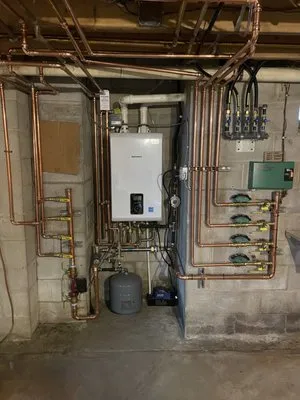
McGar and Son Plumbing and Heating
For decades, McGar and Son Plumbing and Heating has been the trusted local provider for Sullivan County residents and businesses, delivering reliable solutions from their base in Wurtsboro. This famil...
Estimated HVAC Service Costs in Rock Hill, NY
Frequently Asked Questions
Why does my AC struggle when temperatures exceed 90°F in Rock Hill?
Rock Hill's HVAC systems are designed for 86°F outdoor temperatures based on historical climate data. When temperatures reach 90°F+, the system's capacity drops approximately 5% per degree above design temperature. R-454B refrigerant maintains better performance in high heat than older refrigerants, but all systems lose efficiency. Proper sizing accounts for these peak conditions to prevent undersizing during heat waves.
With wildfire smoke and May pollen peaks, what filtration works best for Rock Hill homes?
MERV-13 filters effectively capture PM2.5 from wildfire smoke and pollen allergens prevalent in May. However, galvanized steel ductwork in older Rock Hill homes often creates static pressure issues with high-MERV filters. A static pressure test determines if your system can handle MERV-13 without reducing airflow. When pressure exceeds 0.5 inches water column, a duct modification or dedicated air cleaner becomes necessary.
My Ecobee thermostat shows an E1 error code. What does this mean for my Rock Hill home?
The Ecobee E1 code indicates a communication failure between the thermostat and HVAC equipment. In Rock Hill's humid environment, this often signals moisture damage to low-voltage wiring or control board corrosion. The error prevents proper system operation during temperature swings. A technician checks wiring integrity and control board connections, common failure points in Sullivan County's variable climate.
What permits and safety standards apply to new AC installations in Rock Hill?
The Town of Thompson Building Department requires permits for all HVAC replacements to ensure code compliance. Since 2025, A2L refrigerant systems like R-454B mandate leak detection sensors and emergency ventilation in equipment rooms. These 2026 standards address the mild flammability of modern refrigerants while maintaining efficiency gains. Proper documentation of these safety features is required for both permit approval and rebate qualification.
My Rock Hill home's AC system seems to struggle more each summer. Could its age be the main factor?
Homes in Rock Hill average 48 years old, meaning many HVAC systems are approaching or exceeding their 15-20 year lifespan. Older units with galvanized steel ductwork often develop refrigerant leaks at joints and connections. This leads to frozen evaporator coils, especially during humid summer months when the system runs continuously. Proper maintenance can extend life, but efficiency drops significantly after 15 years.
If my AC stops working during a heatwave in Rock Hill Center, how quickly can a technician arrive?
From the Rock Hill Fire Department station, technicians can reach most Rock Hill Center homes within 5-10 minutes via NY-17. For no-cool emergencies, we prioritize same-day service to prevent heat-related stress on elderly residents and pets. Quick response prevents further damage to compressors working overtime in summer heat.
Should I consider switching from propane heat to a heat pump in Rock Hill?
Heat pumps offer economic advantages in Rock Hill's climate, especially with propane prices fluctuating. Modern cold-climate heat pumps maintain efficiency down to 5°F, covering most winter conditions. Programming the system to avoid NYSEG's 2-7 PM peak rate hours maximizes savings. The combination of federal rebates and lower operating costs typically yields a 5-7 year return on investment compared to propane systems.
What does the new 14.3 SEER2 minimum mean for my electricity bills in Rock Hill?
The 2026 SEER2 standard requires systems to be 15% more efficient than previous models. At Rock Hill's 22¢/kWh rate, a properly sized 3-ton SEER2 system saves approximately $300 annually compared to older units. Combined with the Inflation Reduction Act's $8,000 rebate cap, the payback period drops to 3-4 years. This makes efficiency upgrades financially practical for most homeowners.
