
Top Emergency HVAC Services in Yaphank, NY, 11719 | Compare & Call


Petro Home Services in Yaphank draws on a remarkable legacy that began in 1903 with M.A. Fessler's invention of the oil burner. What started as the Fess System Company evolved into Petro, pioneering t...
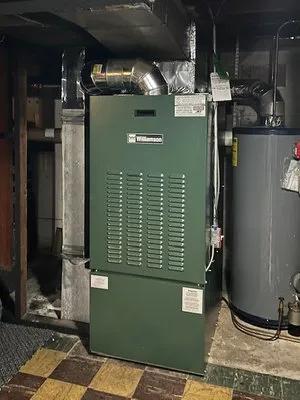
Donlon Brothers Heating and Cooling has been a trusted HVAC service provider for Yaphank, NY, and the surrounding communities. Our team specializes in addressing the common local issues homeowners fac...

Surefire Mechanical is a Yaphank-based HVAC and plumbing specialist serving Long Island. We're a fully licensed, insured, and certified team offering reliable installation, repair, and maintenance for...

Wolf Plumbing and Heating
Wolf Plumbing and Heating is a trusted, full-service contractor serving Yaphank, NY, and surrounding communities. We specialize in plumbing, heating, and air conditioning, offering everything from eme...
Best-Temp Central AC & Heating is Yaphank's trusted family-owned HVAC specialist. We understand the specific challenges homeowners face, from the carbon monoxide risks associated with faulty systems t...
Weismiller Plumbing & Heating
Weismiller Plumbing & Heating is a trusted, family-owned HVAC and plumbing contractor serving Yaphank and the surrounding communities. We understand the unique challenges Long Island homes face, espec...
East Bay Mechanical is a trusted heating and air conditioning (HVAC) company serving Yaphank, NY, and the surrounding East Bay area. We specialize in addressing the common HVAC challenges local homeow...
Frequently Asked Questions
Should I switch from natural gas to a heat pump in Yaphank?
Heat pumps offer viable heating in Yaphank where winter lows rarely drop below 20°F, with modern cold-climate models maintaining efficiency down to -5°F. The 14:00-19:00 utility peak hours align with typical heating demand, making time-of-use rate management beneficial. Combining heat pumps with existing natural gas systems creates a hybrid approach that uses electricity during off-peak hours and gas during extreme cold. The IRA rebates make this transition economically attractive, particularly when replacing aging equipment nearing end-of-life.
Why do older HVAC systems in Yaphank fail so often?
Most Yaphank homes were built around 1985, making their original HVAC units approximately 41 years old in 2026. Systems this old have exceeded their typical 15-20 year lifespan, with components like compressors and heat exchangers operating beyond engineered limits. The humid coastal environment accelerates salt-air induced corrosion on condenser coils, particularly in Yaphank Center where moisture combines with airborne salts. This corrosion creates refrigerant leaks and reduces heat transfer efficiency, leading to frequent breakdowns and higher energy consumption.
What permits and safety standards apply to new HVAC installations?
All Yaphank installations require permits from the Town of Brookhaven Building Department, with inspections verifying compliance with 2026 mechanical codes. R-454B refrigerant installations must follow A2L safety standards including leak detection systems, equipment room requirements, and proper ventilation. These standards address the refrigerant's mild flammability while maintaining environmental benefits over previous options. Licensed technicians complete specialized certification for A2L handling, ensuring safe installation and service practices throughout Suffolk County.
How do the new 2026 efficiency standards affect my utility bills?
The 14.3 SEER2 minimum requirement represents a 15% efficiency improvement over previous standards for Yaphank's 87°F design temperature. At PSEG Long Island's 0.24/kWh rate, upgrading from a 10 SEER system to 16 SEER2 saves approximately $450 annually on cooling costs. The Inflation Reduction Act provides up to $8,000 in rebates for qualifying installations, making the payback period under 4 years for most 3-ton systems. These combined savings offset the initial investment while reducing grid strain during peak demand periods.
What does an Ecobee E1 error mean for my Yaphank system?
An Ecobee E1 alert indicates communication loss between the thermostat and HVAC equipment, often triggered by power fluctuations or wiring issues. In Yaphank, this frequently correlates with salt-air corrosion at electrical connections or voltage irregularities during summer thunderstorms. The alert allows early intervention before complete system failure, particularly valuable during cooling season. Technicians can diagnose whether the issue originates at the thermostat, control board, or power supply, preventing unnecessary component replacements.
Can my existing ductwork handle better air filtration?
Galvanized sheet metal with external fiberglass wrap typically supports MERV-13 filters without significant static pressure issues when properly sized. Yaphank's May pollen peak and ozone risk make enhanced filtration valuable for reducing respiratory irritants. However, older systems may require static pressure testing before upgrading filtration, as accumulated debris in 40-year-old ducts can create airflow restrictions. A technician can measure your system's static pressure and recommend appropriate MERV ratings that balance filtration effectiveness with airflow requirements.
What if my AC stops working during a Yaphank heatwave?
Emergency no-cool calls from Yaphank Center typically receive 15-25 minute response times. Technicians dispatch from the Suffolk County Farm and Education Center area, using the Long Island Expressway (I-495) for direct access to most neighborhoods. This routing avoids local traffic congestion while maintaining rapid response capability. The dispatch system prioritizes homes with vulnerable occupants during extreme weather events, ensuring critical cooling restoration within the first service hour.
How does Yaphank's summer heat affect HVAC performance?
Yaphank experiences summer highs exceeding 90°F, while HVAC systems are designed for 87°F operation. This 3+ degree gap reduces efficiency as systems run longer to maintain temperature. R-454B refrigerant maintains better performance in these conditions compared to older refrigerants, with approximately 5% higher capacity at elevated temperatures. Proper sizing through Manual J load calculations becomes critical, as undersized systems struggle during heatwaves while oversized units short-cycle, reducing dehumidification in Yaphank's humid climate.
