
Top Emergency HVAC Services in Ashland, OH, 44805 | Compare & Call

PHC Heating & Cooling is Ashland, Ohio's trusted local HVAC expert, dedicated to keeping your home comfortable year-round. We understand the specific challenges Ashland homeowners face, from failing A...
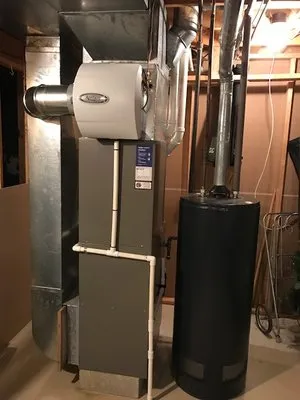
Comfort Control
Comfort Control is a second-generation family business, founded in Ashland in 1980 by Jeff and Joy Reep. Starting from a residential garage with just three people, the company has grown into a trusted...

Shakley Mechanical has been Ashland's trusted HVAC and plumbing specialist since 1995. Founded by local Ashland High School graduate Ken Shakley, who completed HVAC training at Terra Community College...
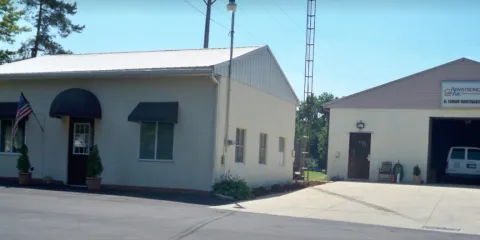
Tin Man Heating & Cooling of Ashland
Tin Man Heating & Cooling is a trusted, locally owned and operated Ashland business with over 30 years of experience serving Ashland County and surrounding areas. We provide a comprehensive range of r...
Rest Easy Heating and Cooling is your trusted local HVAC partner in Ashland, OH. We understand that Ashland homeowners often face specific challenges like poor indoor air quality and refrigerant leaks...

Tin Man Heating and Cooling is a trusted, locally-owned HVAC and plumbing company serving homeowners and businesses throughout Ashland and Ashland County. We specialize in professional heating, coolin...

Christensen Plumbing & Heating
Christensen Plumbing & Heating has been serving Ashland, OH homeowners with reliable plumbing, heating, and fireplace services for years. As a local, family-owned business, we understand the unique ne...

Phoenix Heating & Cooling is your trusted, local HVAC expert in Ashland, Ohio. We understand the unique challenges homeowners in our community face, from clogged condensate drain lines causing water d...
AC DC Equipment in Ashland, OH, is a trusted local HVAC company specializing in residential heating and cooling systems. Ashland homeowners frequently face frustrating issues like short cycling HVAC s...
Tin Man Heating and Cooling
Tin Man Heating and Cooling is your local Ashland HVAC partner, dedicated to reliable comfort year-round. We specialize in heating and cooling services, water heater installation and repair, and thoro...
Frequently Asked Questions
Should I switch from gas heat to a heat pump in Ashland?
Modern cold-climate heat pumps operate efficiently down to -15°F, making them viable for Ashland's winters. Time operation outside Columbia Gas's 2-7 PM peak hours to maximize savings at 14¢/kWh rates. The Inflation Reduction Act rebates apply to qualified heat pump installations. A hybrid system retaining gas backup for extreme cold provides reliability while capturing most heat pump efficiency benefits throughout the heating season.
Why do older HVAC systems in Ashland homes seem to fail more often?
The average Ashland home was built in 1958, making many HVAC systems 68 years old in 2026. Galvanized steel ductwork from that era develops corrosion and mineral buildup over decades. This restricts airflow and causes condensate lines to freeze and block, especially during humid continental summers. Proper maintenance can extend system life, but components this old operate outside their engineered lifespan.
Can my older ductwork handle better air filters for Ashland's pollen and ozone?
Galvanized steel ductwork from 1950s Ashland homes often struggles with MERV-13 filters. These filters create significant static pressure that older blowers cannot overcome. For May pollen peaks and ozone risks, consider a 4-5 inch media filter cabinet instead. This provides MERV-13 equivalent filtration with one-fifth the pressure drop. Proper sizing requires measuring existing static pressure before upgrading filtration systems.
How do the 2026 SEER2 standards affect my utility bills in Ashland?
The 14.3 SEER2 minimum requirement represents a 15% efficiency gain over previous standards. At Ashland's 14¢/kWh rate, upgrading from a 10 SEER to 16 SEER2 system saves about $300 annually on cooling. The Inflation Reduction Act provides up to $8,000 in rebates for qualifying installations. This combination makes high-efficiency upgrades economically viable through reduced operating costs and immediate financial incentives.
Why does my AC struggle when temperatures exceed 88°F in Ashland?
Ashland's HVAC systems are designed for 88°F outdoor temperatures based on historical data. When actual temperatures reach 95°F+, capacity drops 20-30% as the system works against greater temperature differentials. R-454B refrigerant maintains better efficiency at high temperatures than older refrigerants. Proper sizing through Manual J calculations ensures adequate capacity for the 5-10 hottest days each summer without oversizing for normal conditions.
What does an Ecobee E4 error code mean for my Ashland HVAC system?
The Ecobee E4 code indicates the thermostat isn't detecting adequate airflow from your HVAC system. In Ashland's humid climate, this often signals a frozen evaporator coil or blocked filter. The system protects itself by shutting down to prevent compressor damage. Check filters first, then inspect the condensate line for blockages common in older galvanized systems. If simple fixes don't resolve it, the issue may involve refrigerant charge or blower motor problems.
What should I do if my AC stops working during an Ashland heatwave?
First, check your thermostat settings and circuit breakers. If those are normal, a technician from Downtown Ashland can typically reach you within 5-10 minutes via US-42, even during peak traffic near Ashland University. Quick response prevents secondary damage like frozen coils or mold growth. Emergency service prioritizes restoring cooling to vulnerable households during extreme weather.
What permits and standards apply to new HVAC installations in Ashland?
The Ashland Building Department requires permits for all HVAC equipment replacements. Since 2025, R-454B and other A2L refrigerants mandate special safety protocols including leak detectors, ventilation requirements, and technician certification. These mildly flammable refrigerants require different handling than previous options. Proper documentation of refrigerant charge and safety systems must accompany permit applications to ensure compliance with 2026 standards.
