
Top Emergency HVAC Services in Independence, OH, 44125 | Compare & Call

Anchor Mechanical, LLC is a trusted, locally-owned HVAC contractor serving Independence and the broader Cleveland area with 14 years of dedicated experience. Our team of licensed technicians specializ...
Independence Heating & Cooling provides reliable HVAC installation, replacement, and service to keep homes and businesses in Independence, OH comfortable year-round. As a local heating and air conditi...
Aire Serv of Strongsville
Aire Serv of Strongsville is your trusted, locally owned heating and air conditioning partner serving Independence and surrounding communities. We provide dependable installation, maintenance, and rep...
Able Home Solutions is a trusted HVAC company serving Independence, OH, and surrounding areas. We specialize in comprehensive heating and air conditioning services to keep your home comfortable year-r...
Trude Comfort Solutions is a trusted HVAC company serving Independence, OH, and the surrounding communities. We understand the common frustrations local homeowners face, such as frozen evaporator coil...
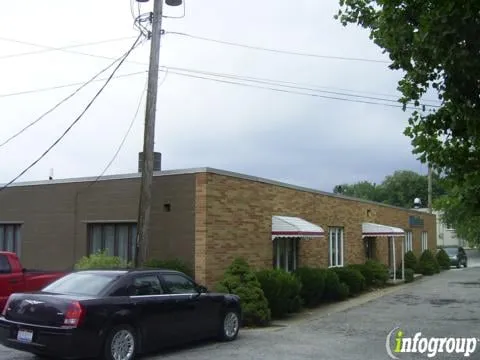
For over 75 years, Helman's Radiator Service has been a trusted, family-owned fixture in Independence, OH. We've built our reputation on a foundation of deep local knowledge and hands-on expertise, no...
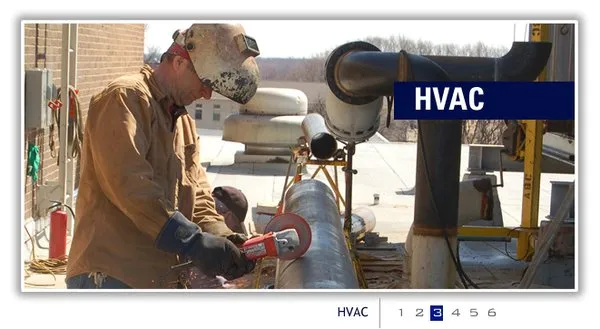
ABC Piping
ABC Piping is a licensed mechanical contracting company serving Independence, OH, and the surrounding communities. We provide comprehensive solutions in HVAC, plumbing, hydronic systems, and fire prot...

Astro Heating & Tigerair is a trusted HVAC contractor serving Independence, OH, and surrounding communities. The company specializes in addressing common local issues like improper HVAC installation a...
Frequently Asked Questions
Should Independence homeowners consider switching from gas heat to heat pumps?
Heat pumps now provide effective heating down to 5°F, covering 99% of Independence winter hours. The 2-7 PM peak rate period makes dual-fuel systems advantageous, using gas heat during expensive electricity hours. With HEEHRA rebates covering much of the installation cost, the payback period often falls within 3-5 years. Modern cold-climate heat pumps maintain COP above 2.0 even at 20°F, making them cost-competitive with gas heating during off-peak hours.
My Ecobee thermostat shows an E1 error code. What does this mean for my Independence home?
The Ecobee E1 alert indicates communication loss between the thermostat and HVAC equipment. In Independence homes, this often results from voltage fluctuations during afternoon thunderstorms or corroded connections in older galvanized steel enclosures. The error triggers equipment shutdown to prevent compressor damage from improper sequencing. Diagnosis involves checking the 24V transformer, control wiring integrity, and ground connections that can degrade in humid environments over decades.
How do the new efficiency standards affect replacement costs for Independence homeowners?
The 2026 SEER2 minimum of 14.3 represents about a 15% efficiency improvement over previous standards. At Independence's 14¢/kWh electricity rate, this translates to approximately $150-200 annual savings on a 3-ton system. The active HEEHRA rebate provides up to $8,000 for qualified heat pump installations, which often covers 30-50% of total project cost. Combined with FirstEnergy's $300-500 efficiency rebates, many homeowners achieve payback periods under 5 years.
Can my older home's HVAC system handle better air filtration for Independence's pollen and ozone issues?
May pollen peaks and summer ozone risk make MERV-13 filtration valuable for Independence homes. Galvanized steel ductwork typically handles MERV-13 filters without static pressure problems if the system was properly sized. However, 64-year-old duct systems often have leaks at joints and connections that bypass filtration. A static pressure test determines if your blower motor can overcome the additional resistance while maintaining 400-450 CFM per ton airflow for proper dehumidification.
What should I do if my air conditioning stops working during an Independence heatwave?
First check your thermostat settings and circuit breakers, then call for service. From the Independence Civic Center area, technicians can reach most homes within 5-10 minutes via I-77. Emergency no-cool calls typically involve refrigerant leaks, capacitor failures, or frozen evaporator coils. Quick response prevents secondary damage like mold growth from thawing ice and protects compressors from overheating in our humid climate.
My HVAC system seems to be struggling more each year. Is this normal for homes in Independence?
Homes in Independence Center average 64 years old, meaning many HVAC systems are approaching or exceeding their 15-20 year lifespan. Older systems with galvanized steel ductwork often develop blower motor failures due to bearing wear and electrical degradation. Condensate line freezing becomes common as refrigerant charge drifts and evaporator coils operate below freezing point. These age-related failures typically manifest as reduced airflow, ice buildup on refrigerant lines, and inconsistent temperature control throughout the home.
What permits and safety standards apply to new HVAC installations in Independence?
The Independence Building Department requires permits for all refrigerant-containing equipment replacements, with inspections verifying proper sizing and installation. 2026 standards mandate A2L refrigerant safety protocols including leak detection systems, ventilation requirements for equipment rooms, and technician certification for R-454B handling. These mild-flammability refrigerants require different service procedures than traditional R-410A, particularly regarding charge limits and ignition source clearance distances specified in UL 60335-2-40.
Why does my air conditioner struggle on the hottest Independence days?
Independence's design temperature of 88°F represents the 1% hottest hours, but actual temperatures often reach mid-90s. This 6-8°F gap reduces system capacity by 15-20% while increasing latent heat load from humidity. R-454B refrigerant maintains better efficiency than older refrigerants in these conditions due to its lower compression ratio and improved heat transfer properties. Proper sizing accounts for this gap, preventing short-cycling while maintaining dehumidification during peak loads.
