
Top Emergency HVAC Services in Lewis Center, OH, 43035 | Compare & Call


Columbus Comfort Heating & Cooling
Columbus Comfort Heating & Cooling is your trusted local partner for home comfort in Lewis Center and Central Ohio. As a fully licensed and insured HVAC provider, we specialize in professional install...
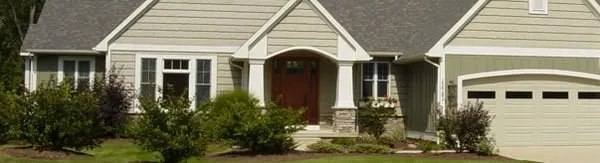
Cullins One Hour Heating & Air Conditioning
Cullins One Hour Heating & Air Conditioning is a family-owned and operated business deeply rooted in the Lewis Center and Westerville communities. For over three decades, owner Greg Cullins has built ...

US Heating & Air Conditioning
US Heating & Air Conditioning has been a trusted fixture in Lewis Center and the surrounding communities for over 45 years. This licensed, family-owned business specializes in reliable HVAC installati...
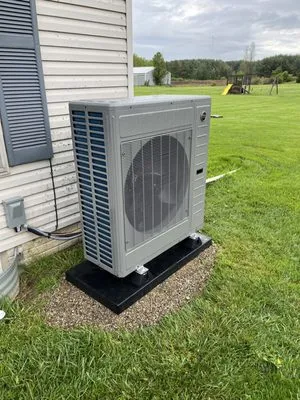
Prestige Heating and Cooling
Prestige Heating and Cooling is a Lewis Center family business founded on a commitment to honest, quality work. With over 40 years of experience, owner Barry Wortman began as a solo technician aiming ...
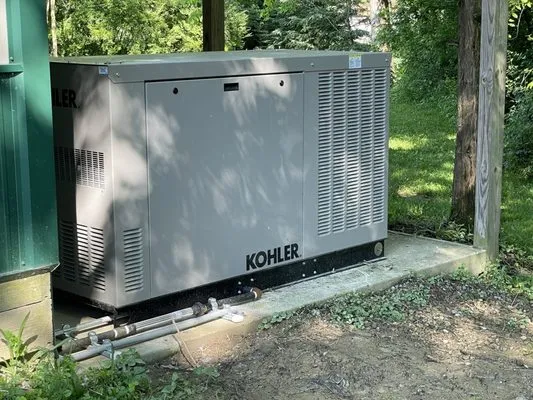
JCORR Mechanical
For over two decades, JCORR Mechanical has been a trusted name in Lewis Center and across Central Ohio. Founded in 2002 by John and Tammy Corrado, this family-owned company provides dependable HVAC, g...
Mission Mechanical
Mission Mechanical is your trusted Lewis Center, OH, expert for all heating and air conditioning needs. We specialize in professional HVAC installation, replacement, and repair services designed to ta...
Klein Heating & Cooling is a trusted, locally-owned HVAC company serving Lewis Center and the surrounding Ohio communities. We understand the unique challenges local homeowners face, such as aging HVA...
Question Answers
My Lewis Center home's AC seems to struggle more each summer. Could its age be a factor?
Homes in Orange Township average 24 years old, meaning original HVAC systems are approaching end-of-life. Galvanized sheet metal ductwork with fiberglass wrap from that era often develops micro-leaks at seams, reducing airflow efficiency. High humidity accelerates corrosion in older drain pans and lines, making condensate drain clogs the most common failure point for systems this age. Regular maintenance can extend lifespan, but components degrade predictably after two decades of service.
Our Ecobee thermostat shows an E160 error code. What does this mean for our system?
The Ecobee E160 alert specifically indicates low refrigerant charge, often from slow leaks in the evaporator coil or line set. In Lewis Center's humid climate, this condition causes ice formation on coils and reduced dehumidification capacity. Immediate attention prevents compressor damage from liquid refrigerant floodback. Technicians will perform leak detection using electronic detectors compatible with R-454B, then repair and recharge to factory specifications. Ignoring this alert typically leads to complete system failure within weeks as the charge continues to drop.
Can our home's duct system handle better air filtration for pollen and ozone?
Galvanized sheet metal ductwork generally supports MERV-13 filters without significant static pressure issues, unlike flex duct systems. May's pollen peak coincides with ozone risk days in humid continental climates, making enhanced filtration valuable. However, older fiberglass-wrapped ducts may need sealing at joints to prevent bypass air. A static pressure test determines if your specific system can maintain proper airflow with higher MERV ratings while capturing 90% of pollen particles and reducing indoor ozone formation.
Our AC stopped cooling during peak heat. How quickly can a technician reach Orange Township?
Dispatch from Alum Creek State Park via US-23 typically yields 15-20 minute response times for emergency no-cool calls. Technicians carry diagnostic tools and common replacement parts like capacitors and contactors that frequently fail during heat stress. While traffic patterns affect exact arrival, routing through this corridor avoids downtown congestion. Immediate troubleshooting over the phone can often determine if the issue requires immediate dispatch or can wait for scheduled service.
Should we consider switching from gas heat to a heat pump in Lewis Center?
Modern cold-climate heat pumps maintain heating capacity down to -5°F, making them viable for Orange Township's winters. The $8,000 IRA rebate cap significantly reduces upfront costs for qualified systems. Programming the thermostat to avoid AEP Ohio's 14:00-19:00 peak rate hours maximizes operating savings. Dual-fuel systems that pair a heat pump with existing gas backup provide the most cost-effective solution, using electricity during moderate temperatures and switching to gas during extreme cold when heat pump efficiency declines.
What permits and safety standards apply to new AC installations in Delaware County?
The Delaware County Building Department requires permits for all HVAC replacements, with inspections verifying proper refrigerant charge and electrical connections. 2026 standards mandate special certifications for A2L refrigerants like R-454B, which have lower flammability than previous options but still require specific handling procedures. Installation must include leak detection systems and service access valves meeting UL 60335-2-40 requirements. These regulations ensure systems operate safely while maximizing efficiency and minimizing environmental impact through proper refrigerant management.
What efficiency standards apply to new AC installations in Lewis Center now?
The 2026 SEER2 minimum of 13.4 represents a 15% efficiency gain over previous standards. At AEP Ohio's 0.14/kWh rate, upgrading from a 10 SEER unit to an 18 SEER2 model saves approximately $450 annually on cooling costs. The Inflation Reduction Act's $8,000 heat pump rebate cap makes high-efficiency systems more accessible, with payback periods often under 5 years when combining utility and federal incentives. Proper sizing through Manual J calculations ensures these efficiency gains translate to actual energy savings.
Why does our AC seem to lose capacity on the hottest Lewis Center days?
Central Ohio's design temperature of 89°F represents the 1% extreme condition HVAC systems are engineered to handle. When temperatures exceed this threshold, systems operate continuously but may not maintain desired indoor temperatures. R-454B refrigerant maintains better capacity retention at high ambient temperatures compared to older R-410A, with approximately 5% better performance above 95°F. Proper sizing accounts for this temperature gap, but extreme heat waves still challenge any system's ability to maintain optimal delta T between supply and return air.
