
Top Emergency HVAC Services in Springfield, OH, 45501 | Compare & Call

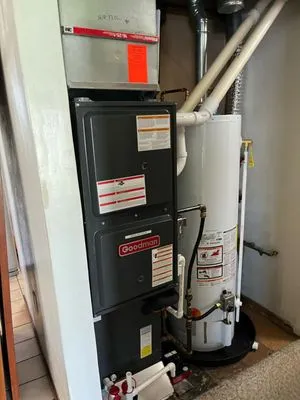
JC Refrigeration is a trusted, locally-owned HVAC service provider in Springfield, OH. We specialize in keeping homes and businesses comfortable year-round through expert installation, repair, and mai...
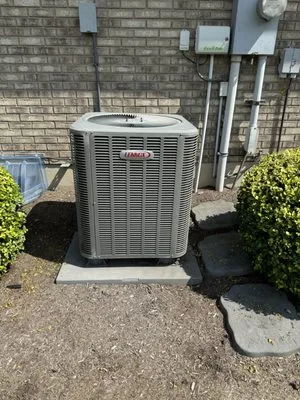
Air Commander Home Services
Air Commander Home Services is a locally-owned HVAC, plumbing, and home services company serving Springfield, OH, and the surrounding region. Founded by John, who brings years of hands-on industry exp...
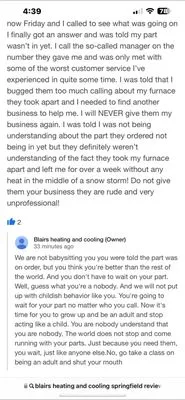
Blair's Heating and Cooling is a family-owned and operated HVAC business serving Springfield, OH, and the surrounding areas. We specialize in both heating and cooling systems for new construction and ...

West Heating & Cooling
West Heating & Cooling is a trusted, locally-owned HVAC company serving Springfield, Ohio, and the surrounding communities. We specialize in diagnosing and repairing the common, frustrating issues tha...
Kenny Adams Heating and Cooling
For over 35 years, Kenny Adams Heating and Cooling has been the trusted, family-owned HVAC provider for Springfield and the greater Miami Valley. We handle both residential and commercial needs with a...

For over three decades, Delong Air has been a cornerstone of the Springfield, OH community. As a lifelong resident, father, and active participant in local organizations like the Clark County Fair and...
Hauck Bros., Inc. Heating and Cooling
Since 1921, Hauck Bros., Inc. has been a trusted name for heating and cooling in Springfield and the Miami Valley. Now under the leadership of Bob Warren, who purchased the company in 1987, the team h...
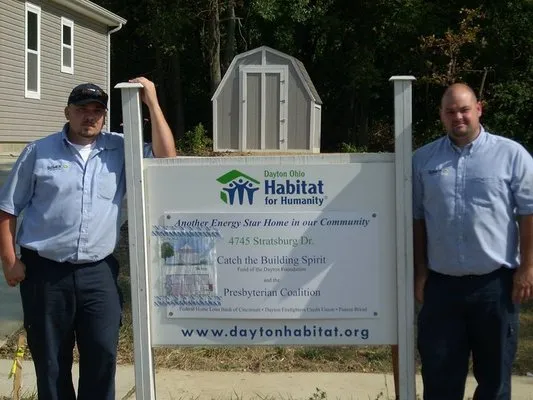
Detmer & Sons is a family-owned heating and air conditioning contractor serving Springfield and the Dayton area since 1978. For three generations, they have built a reputation on reliability and exper...
Barnett's Heating & Air is a trusted HVAC company serving Springfield, OH homeowners with reliable heating and air conditioning solutions. We specialize in diagnosing and fixing common local HVAC prob...
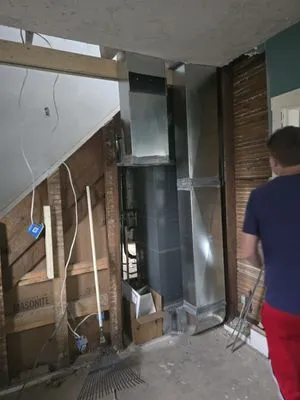
Segrest HVAC
Segrest HVAC is a family-owned and operated heating and air conditioning company serving Springfield and the surrounding central Ohio area. We specialize in providing reliable residential and commerci...
Frequently Asked Questions
Should I consider switching from gas heat to a heat pump in Springfield?
Springfield's winter lows around 20°F make modern cold-climate heat pumps practical for most heating needs. During AES Ohio's 2-7 PM peak hours, a heat pump operates at 300% efficiency versus 95% for a gas furnace. The Inflation Reduction Act rebates apply to qualified heat pump installations, and dual-fuel systems that automatically switch to gas below 15°F provide optimal efficiency and reliability through Ohio winters.
My Springfield home was built around 1959. Should I be concerned about my HVAC system's age?
A 1959 build means your HVAC system is likely 67 years old if original. In Springfield's humid continental climate, galvanized steel ductwork from that era often develops pinhole leaks and corrosion at seams. This aging infrastructure makes condensate drain lines prone to clogs from rust flakes and mineral buildup. Systems this old typically operate below 8 SEER efficiency and may contain R-22 refrigerant, which is no longer manufactured.
My Highland Park home lost cooling during a heatwave. How quickly can a technician arrive?
From our service center near Buck Creek State Park, we dispatch technicians via I-70 to reach Highland Park within 15-20 minutes. For no-cool emergencies, we first check the condensate drain line—Springfield's humidity makes this a frequent failure point. Technicians carry R-454B refrigerant and capacitor replacements on every truck to address the most common immediate failures.
My Ecobee thermostat shows an E1 error code. What does this mean for my Springfield system?
An Ecobee E1 alert indicates the thermostat isn't detecting proper equipment operation. In Springfield homes, this often signals a condensate drain line clog—the float switch has interrupted 24V power to prevent water damage. First check the PVC drain line at the air handler for algae growth, which thrives in our humid climate. If clear, the issue may be a failed capacitor or contactor preventing compressor engagement.
What does the 14.3 SEER2 minimum mean for my Springfield home's new system?
The 2026 federal SEER2 standard requires all new central air conditioners in Ohio to achieve at least 14.3 SEER2 efficiency. At Springfield's 14¢/kWh electricity rate, upgrading from an 8 SEER system to a 16 SEER2 unit saves approximately $450 annually. The Inflation Reduction Act provides up to $8,000 in rebates for qualifying high-efficiency installations, making the payback period under 5 years for most homes.
Can my older galvanized steel ducts handle better air filters for Springfield's ozone and pollen issues?
Galvanized steel ductwork from 1950s Springfield homes typically has adequate structural integrity for MERV-13 filters, but static pressure must be measured. May's pollen peak combined with summer ozone risk makes high-efficiency filtration valuable. We recommend installing a 4-inch media filter cabinet rather than forcing a 1-inch MERV-13 into your existing rack, which would likely cause airflow restriction and freeze the evaporator coil.
How does Springfield's summer heat affect air conditioner performance?
Springfield's design temperature of 89°F represents the 1% hottest hours annually, though actual temperatures occasionally reach mid-90s. This 5-7°F buffer ensures proper sizing—a 3-ton system for 2,000 square feet maintains 75°F indoors at 89°F outside. R-454B refrigerant maintains stable pressure-temperature relationships up to 120°F ambient, providing reliable cooling through Springfield's hottest afternoons without capacity drop-off.
What permits and safety standards apply to new HVAC installations in Springfield?
The City of Springfield Building Regulations Division requires permits for all HVAC replacements, including electrical and mechanical components. Since 2025, R-454B and other A2L refrigerants mandate specialized certification due to mild flammability. Installations must include leak detection sensors, proper ventilation in mechanical rooms, and clearly labeled refrigerant lines. These 2026 standards ensure safe adoption of next-generation refrigerants with lower global warming potential.
