
Top Emergency HVAC Services in Wooster, OH, 44691 | Compare & Call


M.W. Robinson Co is a trusted, family-operated plumbing, heating, and air conditioning company serving Wooster and the surrounding Wayne, Holmes, and Ashland Counties. With a history in the community ...
Cosby Heating & Cooling continues a family tradition of service that began in 1904, bringing over a century of experience to homes and businesses in Wooster and surrounding areas. As a trusted local p...
Alpine Heating, Cooling, Plumbing & Refrigeration
Alpine Heating, Cooling, Plumbing & Refrigeration has been serving Wooster, OH since 1993, providing reliable HVAC, plumbing, and refrigeration services for both homes and businesses. Starting as a on...
Daniel's Heating & Cooling is a trusted, locally-owned HVAC contractor serving Wooster, Ohio, and surrounding communities. We specialize in diagnosing and resolving common local comfort issues, includ...
Cool Tech in Wooster has built its reputation by specializing exclusively in commercial equipment repair for Northeast Ohio. We focus on serving the needs of commercial kitchens, facilities, and busin...
Olson Heating & Cooling is a trusted HVAC service provider serving homeowners in Wooster and surrounding areas. They specialize in diagnosing and resolving the common, disruptive issues that affect lo...
Riggle Brothers, Inc. has been a trusted family-owned and operated HVAC contractor serving residential and commercial customers in Wooster, Wayne County, and the surrounding area since 1957. With deca...
Webb & Son's Heating and Cooling is a trusted, family-owned HVAC contractor serving Wooster and the surrounding areas. We understand the unique challenges local homeowners face, from the discomfort an...
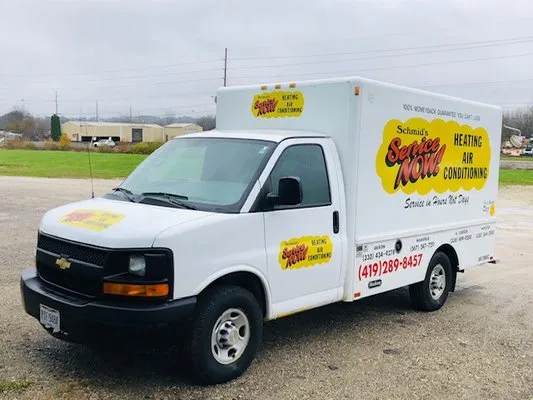
Schmid's Service Now
Schmid's Service Now is a Wooster-based company providing essential home services in heating and air conditioning, plumbing, and air duct cleaning. We focus on practical solutions for local residents,...
Alpine Heating & Cooling is a trusted HVAC provider serving the Wooster, OH community. We specialize in diagnosing and resolving common local comfort issues, including poor indoor air quality from dus...
Common Questions
What permits and safety standards apply to new AC installations in Wooster?
All Wooster HVAC installations require permits from the City of Wooster Building Standards Department. Since 2026, A2L refrigerant systems like R-454B mandate leak detection sensors, emergency ventilation, and technician certification. These standards address R-454B's mild flammability while maintaining its environmental advantages. Proper documentation of refrigerant charge and safety system testing is required for both permit approval and Inflation Reduction Act rebate qualification.
Can my older Wooster home's HVAC system handle better air filtration for allergy season?
Wooster's May pollen peak and ozone risk create dual filtration challenges. While galvanized steel ductwork generally supports MERV-13 filters, static pressure testing is essential first. Older systems may require duct modifications or ECM blower upgrades to maintain proper airflow with higher filtration. Properly implemented, MERV-13 filtration captures 85% of pollen particles while reducing ozone-related respiratory irritation during summer months.
Why does my AC seem inadequate during Wooster's hottest summer days?
Wooster's design temperature of 88°F represents the peak cooling load engineers plan for, but actual temperatures often exceed this threshold. When outdoor temperatures reach 95°F, your system's capacity drops approximately 20%. Modern R-454B refrigerant maintains better performance at these elevated temperatures compared to older refrigerants, with less capacity degradation and improved heat transfer efficiency in Wooster's humid conditions.
My Wooster home's AC seems to struggle more each summer. Could its age be a factor?
Homes in Wooster average construction around 1974, making many HVAC systems over 50 years old. At this age, galvanized steel ductwork develops micro-leaks, and refrigerant lines lose efficiency. Older systems using R-22 refrigerant are particularly prone to condensate line freezing during humid Ohio summers because they operate at lower pressures. This age-related performance decline explains why many Downtown Wooster homes experience cooling issues during peak humidity.
My Ecobee thermostat shows an E1 error code. What does this mean for my Wooster home?
The Ecobee E1 alert indicates refrigerant pressure issues, often triggered by Wooster's temperature swings. This specific error suggests either low refrigerant charge from micro-leaks in older lines or condenser coil airflow restriction. In Wooster's humid climate, these conditions frequently lead to ice formation on evaporator coils. Addressing E1 alerts promptly prevents compressor damage and maintains system efficiency during peak cooling demand periods.
What do the new 2026 efficiency standards mean for my Wooster home's cooling costs?
The 2026 SEER2 minimum of 13.4 represents a 15% efficiency improvement over previous standards. At Wooster's 0.14/kWh utility rate, upgrading from a 10 SEER to a 16 SEER2 system saves approximately $180 annually on cooling. The Inflation Reduction Act's $8,000 rebate cap makes this upgrade cost-effective, often covering 30-50% of installation costs when combined with AEP Ohio's $400 heating and cooling rebate.
If my AC stops working during a Wooster heatwave, how quickly can a technician arrive?
For emergency no-cool calls in Downtown Wooster, technicians typically respond within 5-10 minutes. Our dispatch routes from the College of Wooster area directly to your location via US-30, avoiding residential traffic patterns. This rapid response time ensures we can address critical failures like compressor lockouts or refrigerant leaks before they cause secondary damage to your system components.
Should I consider switching from gas heat to a heat pump in Wooster?
Wooster's winter lows around 15°F make dual-fuel systems practical, combining a heat pump with existing gas backup. During utility peak hours (14:00-19:00), heat pumps operate efficiently while avoiding peak electricity rates. The Inflation Reduction Act rebates make this transition economical, especially when replacing aging systems. Modern cold-climate heat pumps maintain 100% capacity down to 5°F, reducing gas dependency during milder Wooster winters.
