
Top Emergency HVAC Services in Moore, OK, 73069 | Compare & Call

Air Comfort Solutions
For over two decades, Air Comfort Solutions has been the go-to provider for comprehensive home comfort services in Moore, OK, and throughout the Oklahoma City metro. We offer a full suite of reliable ...
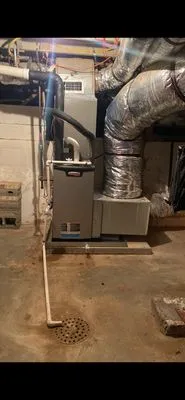
Primary Heat & Air is your local Moore HVAC partner, a small company built on neighborly service. We believe in honest work, fair prices, and treating every customer with straightforward, respectful c...
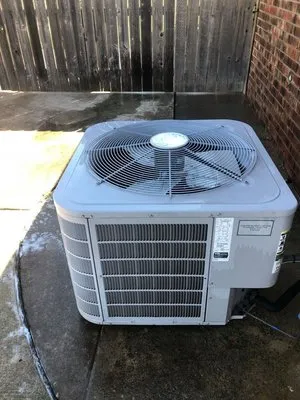
A-Better Heat & Air Conditioning has been serving Moore, OK, and the surrounding Central Oklahoma area since 1979, providing dependable heating and air conditioning solutions. As a family-owned and op...
Ron Coggins, the local owner of All Temp Air Conditioning & Heating, has spent his entire life in the Moore and Oklahoma City metro. He's raised his family and built lasting friendships right here in ...
Rhino Heating and Air Conditioning
Rhino Heating and Air Conditioning is a family-owned HVAC service provider that has been serving the Moore, OK community since 2010. They specialize in a full range of heating, cooling, and indoor air...
Wolfe Heat and Air is a trusted HVAC company serving Moore, OK, and the surrounding areas. We specialize in heating and air conditioning installation, repair, and maintenance to keep your home comfort...
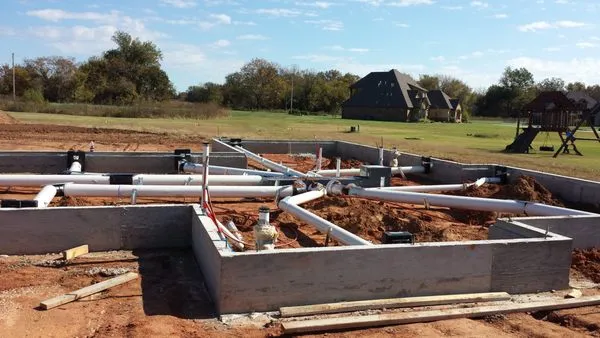
Hadley Heating & Air is a family-owned HVAC company serving Moore, Oklahoma, and the surrounding area since 2009. Founded on a commitment to reliable service, we specialize in both residential and com...
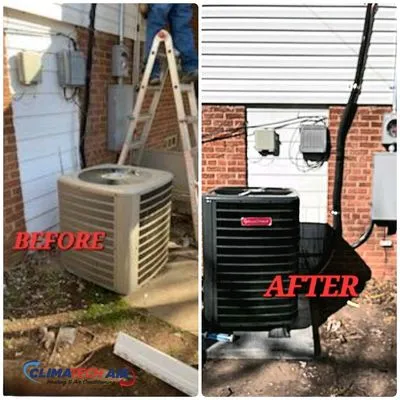
ClimaTech Heat & Air is a locally owned and operated HVAC company serving Moore, OK, and the surrounding areas. Our team is built on a foundation of trust, with every member dedicated to ensuring the ...

Amigos Heating And Cooling Company is a locally owned and operated HVAC service in Moore, OK, founded by a technician with 14 years of experience in the industry. After graduating from HVAC tech schoo...
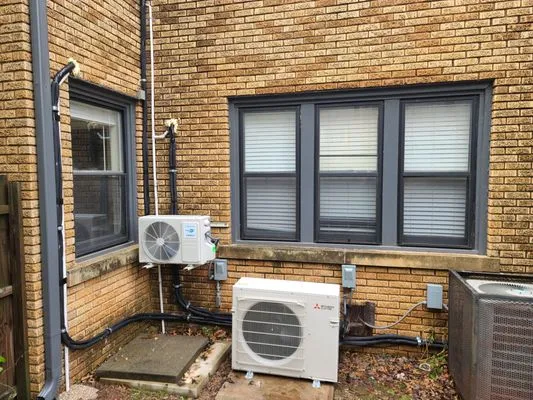
HVAC Pros in Moore, OK, is a trusted local heating and air conditioning company with over a decade of experience serving homes and businesses across Oklahoma. Founded on honesty and integrity, we spec...
Frequently Asked Questions
I'm told my old AC is inefficient. What are the new 2026 standards, and are there rebates?
The federal minimum efficiency standard is now 14.3 SEER2. A new system meeting this standard can use significantly less electricity than your older unit, directly lowering your bill against OG&E's 11-cent per kWh rate. The Inflation Reduction Act's HEEHRA rebates provide up to $8,000 for qualified heat pump installations, which can dramatically offset the upgrade cost for a more efficient and capable system.
What should I know about permits and safety for a new AC installation in 2026?
All replacements in Moore require a permit from the City of Moore Building and Permits Division. Since 2025, new systems predominantly use A2L refrigerants like R-454B, which are mildly flammable. This mandates specific safety standards for installation, including leak detectors, updated service ports, and specialized technician certification. Your contractor must follow these 2026 codes to ensure the system is legal, safe, and eligible for any rebates.
My AC just stopped blowing cold air on a 100-degree day near Buck Thomas Park. What's your typical response time?
For a no-cool emergency in the Old Town Moore area, we dispatch from our shop just off I-35. Traffic permitting, we can typically be at your home near the park within 10 to 15 minutes. The first diagnostic steps involve checking the outdoor unit for a tripped breaker and listening for the compressor, which often points to a failed capacitor or contactor.
My air conditioner in Old Town Moore is the original unit from the 80s. Should I be concerned about it failing?
Units built around 1987 are now 39 years old, far exceeding the typical 15-year lifespan. In Moore, a system of this age is highly prone to capacitor failure. The repeated extreme heat cycles each summer degrade these electrical components, causing them to lose capacitance and eventually stop the compressor. This is the most common emergency repair call we see for systems from that era.
Why does my AC struggle to keep up when it's over 100 degrees, even though it was working fine?
Residential systems in Moore are designed to maintain temperature up to a 98°F outdoor design temp. On days exceeding that, the system runs continuously and capacity drops. The new standard R-454B refrigerant performs better in these high ambient temperatures than older R-410A, but physics dictates that no system can maintain its rated capacity when outdoor temperatures soar 10-15 degrees above its design point.
My Ecobee thermostat is showing an 'E1' alert. What does that mean for my system?
An Ecobee E1 error indicates the thermostat is not detecting voltage from your HVAC equipment's control circuit. In Moore, this often signals a failed safety device, like a high-pressure switch tripped by extreme heat stress, or a blown 3-amp fuse on the control board. It's a protective shutdown. This specific alert helps prevent compressor damage by signaling an immediate need for a technician to diagnose the root cause, which is frequently capacitor-related.
With our spring pollen and summer ozone, can I just add a better air filter to my existing system?
While upgrading to a MERV-13 filter can capture pollen and fine particulates, it increases static pressure. Your home's flexible ducting and galvanized steel plenums may not handle the added restriction without causing airflow problems, reducing cooling and straining the blower motor. A proper assessment of your duct system is required before installing high-MERV filters to ensure it won't create more issues than it solves.
I have gas heat but am considering a heat pump. Is that a good idea for our Oklahoma winters?
Modern cold-climate heat pumps are effective in Moore's climate, with efficient operation down to our winter lows. The key advantage is shifting your heating load from gas to electricity, allowing you to leverage the utility's lower off-peak rates outside the 2 PM to 7 PM peak window. When paired with the federal rebates, a dual-fuel system that uses the heat pump as the primary heater and gas as backup during extreme cold can offer substantial savings and improved comfort.
