
Top Emergency HVAC Services in Bend, OR, 97701 | Compare & Call

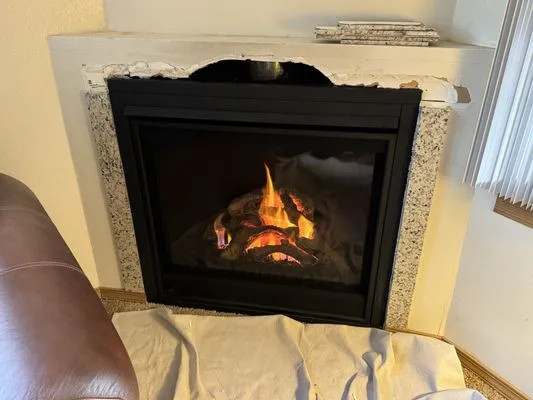
Heat Cool is a locally owned and operated HVAC contractor serving Central Oregon for over 20 years. With deep roots in every neighborhood from Bend to Sunriver, Redmond, and La Pine, we specialize in ...
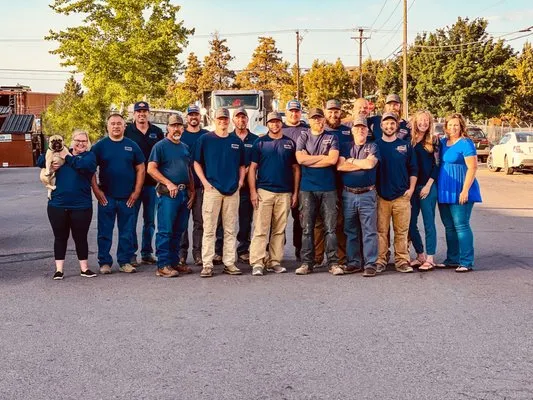
Severson Plumbing Heating & AC
Severson Plumbing Heating & AC is a family-owned business that has been serving Central Oregon since 1977. Founded by Dave and Elaine Severson, the company is now led by their son, Jason, and his wife...
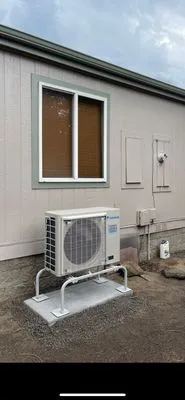
Home Heating & Cooling
Home Heating & Cooling is a trusted, family-owned HVAC company serving Bend, OR, and the surrounding communities. For over 35 years, owners Ric and Celia Secor have built their reputation on reliable,...
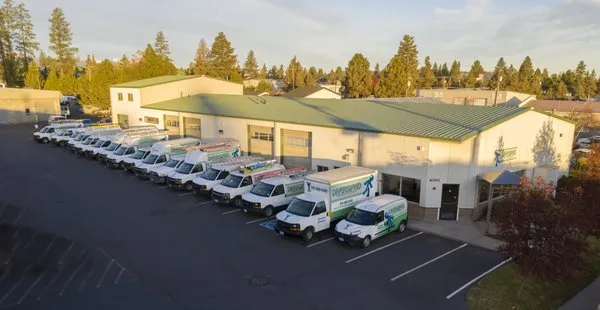
Diversified Heating & Cooling
Diversified Heating & Cooling, Inc. is a family-owned, locally operated HVAC company serving Bend, OR, with over 100 years of combined experience among our team. We are proud to hold a perfect record ...
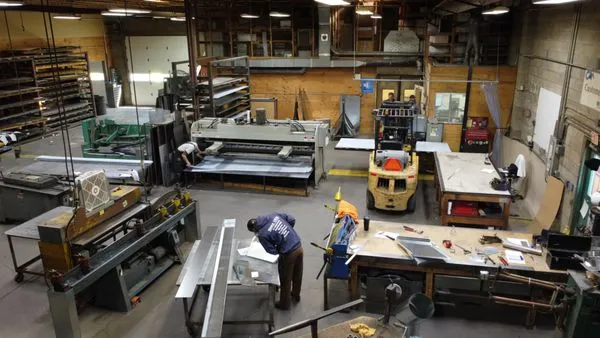
Since 1970, Cascade Heating & Specialties has been the trusted, family-operated HVAC specialist for Central Oregon. With a team of over 70 dedicated professionals holding more than 30 decades of combi...

Deschutes Heating & Cooling has been a trusted name in Central Oregon for over 17 years, building a reputation for reliable heating and cooling solutions. The family-owned company focuses on quality i...
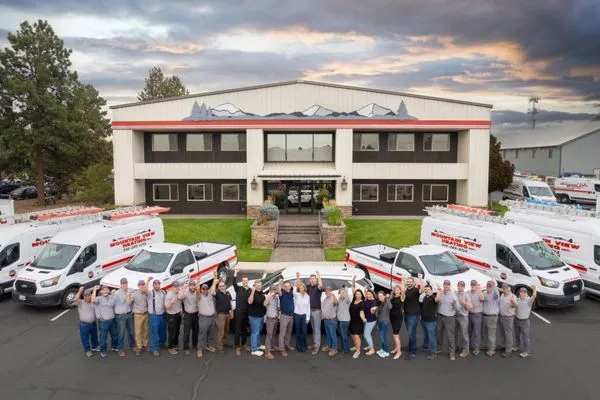
Mountain View Heating has been a trusted name in Central Oregon comfort since 1979. Founded by Gary and Sharrell Bunger, this family-owned Bend business is now proudly operated by their daughter, Buff...

Central Oregon Heating - Bend
Central Oregon Heating, Cooling, Plumbing & Electric is a trusted, locally owned provider founded in Redmond in 1993 by Don T. With a commitment to fair pricing and reliable service, the company has g...

GreenSavers
Hi, I'm Robert Hamerly. GreenSavers began at my kitchen table in 2007, building on my years of experience in Oregon's trades installing HVAC systems and constructing homes. I saw how contractors often...
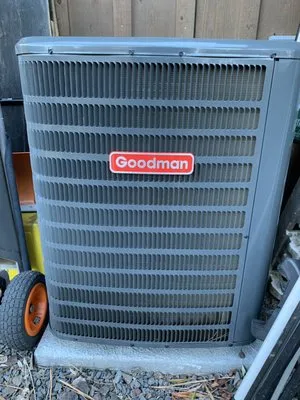
Larson Mechanical
Larson Mechanical is a licensed HVACR service company founded in 1999 and based in Bend, Oregon. Owned by Brian Larson, the business focuses exclusively on serving local clients in Bend with heating, ...
Common Questions
With gas heat, is switching to a heat pump practical for Bend's cold winters?
Modern cold-climate heat pumps are engineered to provide efficient heat down to near 0°F, making them viable for Bend. The key is managing the 7-10 AM and 5-9 PM utility peak hours. A properly sized system with a well-insulated home can avoid excessive use during these high-rate periods. Combining the heat pump with the existing gas furnace as a dual-fuel or backup system is a common, cost-effective strategy for our climate.
My Ecobee thermostat is showing an E1 alert. What does this mean?
An Ecobee E1 alert indicates the thermostat has lost communication with your HVAC equipment. In Bend, this is often caused by a safety lockout on the furnace control board due to a fault, such as a flame sensor issue on your gas system or a high-pressure switch trip on the AC. It signals the system has shut down to prevent damage. This requires a technician to diagnose the specific fault code on the equipment's control board.
My home's original HVAC system is still running. Should I be worried about a breakdown?
A system from the average 1999 build year is now 27 years old, which is past its typical service life. In Bend, this age makes units vulnerable to frozen evaporator coils. The root cause is often the extreme diurnal swing; refrigerant pressures can drop overnight, causing condensation to freeze on the coil when the system starts in the morning. This repeated stress on a 27-year-old compressor is a leading cause of failure.
Why does my AC struggle on days when it's only 88 degrees outside?
Bend's high desert sun creates a significant radiant load that isn't fully captured by the standard 88°F design temperature. Your system is sized for this design condition, so on days with intense solar gain, it may run continuously to maintain temperature. Modern systems using R-454B refrigerant maintain better efficiency and capacity at these higher ambient temperatures compared to older R-410A units, reducing the struggle.
What should I know about permits and safety for a new AC installation?
All new installations in Bend require a permit from the City of Bend Building Safety Division. Since 2025, systems using A2L refrigerants like R-454B must comply with updated safety standards (UL 60335-2-40). This mandates specific leak detectors, revised refrigerant line sizing, and service access provisions. Using a licensed contractor ensures the installation meets these 2026 codes for safe operation and is eligible for all utility and federal rebates.
My air conditioner stopped on a hot day in Old Bend. How fast can a technician get here?
For a no-cool emergency, a technician can typically dispatch from the Drake Park area and be at your door in 10 to 15 minutes. The route via US-97 provides direct access to most of Old Bend, allowing for a rapid response to prevent further heat gain in your home. We prioritize these calls to diagnose issues like capacitor failure or refrigerant loss before the peak afternoon heat.
Can my existing ductwork handle a better air filter for wildfire smoke and June pollen?
Your galvanized sheet metal ducts with external wrap are generally robust and can support a MERV-13 filter, which is effective for PM2.5 and pollen. The critical factor is static pressure; an older blower motor may struggle. A technician should measure external static pressure before upgrading to ensure the system can move enough air through the higher-restriction filter without losing performance or causing the coil to freeze.
Is the new 13.4 SEER2 minimum worth the investment with Bend's electricity rates?
The 2026 SEER2 standard is a significant efficiency jump from older 13 SEER units, reducing electrical consumption by about 5-8%. At Bend's average rate of $0.13 per kWh, this translates to tangible savings. The investment is further offset by the active Inflation Reduction Act rebates, which can cover up to $8,000 for a qualifying high-efficiency heat pump installation, improving the payback period substantially.
