
Top Emergency HVAC Services in La Pine, OR, 97739 | Compare & Call

Bass HVAC & Construction has been a trusted name in La Pine for over 20 years, providing reliable heating and air conditioning services to keep homes and businesses comfortable. Our team brings decade...
Air Tech is your trusted local heating, cooling, and fireplace specialist serving La Pine, Oregon. We are dedicated to ensuring your home's comfort systems operate reliably year-round. Our services co...

DR.HVAC/R is your trusted, local heating and cooling expert in La Pine, Oregon. We understand that many homeowners in our high-desert community face common HVAC challenges, like dirty filters leading ...
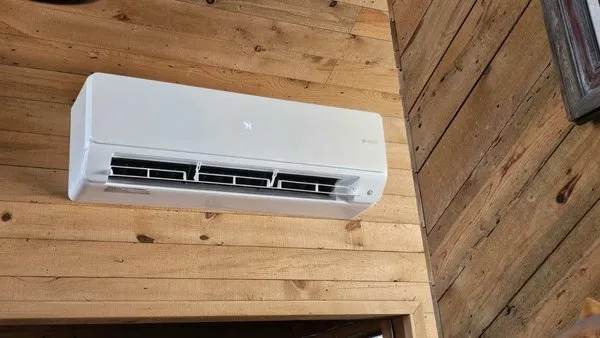
Patriot Heating Cooling & More is a veteran-owned and operated HVAC business founded on three decades of hands-on experience. Based in La Pine, OR, the family-run company was started to bring a new ge...
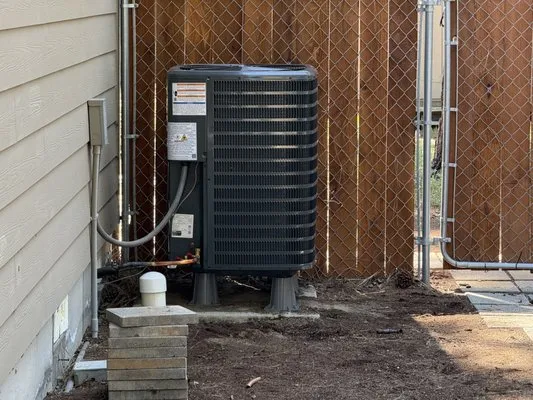
TCB Refrigeration Service is your trusted local HVAC and appliance repair specialist in La Pine, OR. We specialize in diagnosing and fixing common local issues like blower motor failures and poor indo...
Cascade Air Heating & Cooling is your trusted local HVAC expert in La Pine, OR, dedicated to keeping homes comfortable year-round. We understand the unique challenges La Pine homeowners face, particul...

Blue Flame Specialties, serving La Pine and Central Oregon since 2001, is a locally-owned expert in gas heating systems and fireplaces. As a dedicated propane and natural gas specialist, they focus on...
Sonnys High Mountain Heating is a trusted HVAC company serving La Pine, Oregon, and the surrounding high-desert communities. We specialize in diagnosing and repairing common local heating and cooling ...
Question Answers
What permits and safety standards apply to installing a new R-454B system in La Pine?
All La Pine HVAC installations require permits from the Deschutes County Building Safety Division. For R-454B systems, 2026 standards mandate A2L refrigerant safety measures including leak detectors, ventilation requirements, and specialized technician certification. These mildly flammable refrigerants require different handling than previous R-410A systems. Proper permitting ensures compliance with Oregon's energy codes and qualifies installations for IRA rebates. Always verify your contractor holds current EPA Section 608 certification for A2L refrigerants.
How well do modern systems handle La Pine's summer temperatures that sometimes exceed 90°F?
La Pine's 86°F design temperature means systems are engineered to maintain comfort up to that threshold. During occasional 90°F+ days, properly sized systems experience reduced capacity but should still maintain 75-78°F indoors. R-454B refrigerant, now standard in 2026, offers better high-temperature performance than older R-410A, with approximately 5-8% higher capacity at 95°F. Proper sizing through Manual J calculations prevents short-cycling while ensuring adequate dehumidification during humid periods.
What does the 13.4 SEER2 minimum mean for my replacement system, and are there rebates available?
The 13.4 SEER2 minimum effective January 2023 represents a 10% efficiency improvement over previous standards. In La Pine with Midstate Electric Cooperative rates at $0.11 per kWh, upgrading to a 16-18 SEER2 system typically saves $150-250 annually. The Inflation Reduction Act provides up to $8,000 in tax credits for qualifying heat pump installations, while Midstate Electric offers an additional $500 rebate. These incentives make high-efficiency systems cost-competitive with minimum-code units.
With wildfire smoke and June pollen, should I upgrade to MERV-13 filters in my existing ductwork?
MERV-13 filters effectively capture wildfire PM2.5 and pollen particles, but La Pine's galvanized sheet metal ductwork with fiberglass wrap may not handle the increased static pressure. Older systems with undersized return ducts can experience airflow drops of 20-30% with MERV-13, potentially causing frozen coils or compressor damage. A technician should measure static pressure before upgrading; many homes need duct modifications or a dedicated air cleaner to maintain proper airflow with high-efficiency filtration.
Is switching from propane heat to a heat pump practical for La Pine's cold winters?
Modern cold-climate heat pumps operate efficiently down to -10°F, making them viable for La Pine's winter lows. With propane prices volatile and electricity at $0.11 per kWh, heat pumps typically cut heating costs by 30-50%. Schedule operation outside Midstate Electric's peak hours (7-10 AM and 5-9 PM) to maximize savings. The $8,000 IRA tax credit often covers most of the conversion cost, and dual-fuel systems that pair heat pumps with propane backup provide reliability during extreme cold snaps.
My AC just stopped cooling during the hottest part of the day. How quickly can someone get here from La Pine City Center?
From La Pine City Center, technicians can reach most homes in 10-15 minutes via US-97. For a no-cool emergency, first check your thermostat settings and circuit breakers, then clear any visible debris from the outdoor unit near La Pine State Park. If the system still won't run, a technician can typically diagnose common issues like capacitor failure or refrigerant loss within an hour of arrival. Quick response prevents further compressor damage during La Pine's warm afternoons.
My Ecobee thermostat shows an E1 error code. What does this mean for my La Pine system?
The Ecobee E1 code indicates the thermostat isn't detecting voltage from your HVAC equipment. In La Pine, this often points to a tripped float switch from frozen condensate lines, a failed transformer, or blown low-voltage fuse. The arid climate with temperature swings can cause condensation line clogs that trigger safety switches. Check the indoor unit's drain pan for water, then verify circuit breakers before calling a technician. This alert prevents water damage but requires professional diagnosis of the underlying cause.
My La Pine HVAC system seems to be freezing up more often lately. Is this normal for older systems in our area?
La Pine homes average 38 years old, meaning many HVAC systems are approaching or exceeding their 15-20 year design life. Older systems with galvanized sheet metal ductwork and fiberglass wrap often develop frozen condensate lines due to refrigerant leaks, airflow restrictions, or failing defrost cycles. The arid climate with June pollen peaks can clog filters, reducing airflow and causing evaporator coils to freeze. Regular maintenance can extend system life, but units this age typically need replacement to avoid repeated failures.
