
Top Emergency HVAC Services in Oregon City, OR, 97045 | Compare & Call

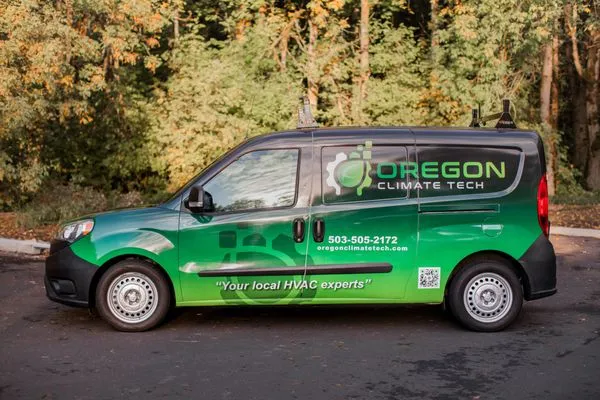
Oregon Climate Tech
For 29 years, I've been dedicated to the HVAC trade, which led my family and me to establish Oregon Climate Tech right here in Oregon City. Our vision is straightforward: provide homeowners with ultra...

First Call Heating & Cooling
With a legacy dating back to 1939, First Call Heating & Cooling has been a trusted name for Oregon City residents. Our team, led by service manager Jason Markle with 16 years of experience, combines d...

2 Brothers Heating & Cooling is a family-owned HVAC business in Oregon City, founded by brothers Charlie and Kacey. Their journey began in childhood, helping their dad during summers, which inspired a...

Energy Savers has been a trusted local HVAC and appliance specialist in Oregon City since 1995. We built our business on a simple principle: install efficient, quality heating and cooling systems for ...
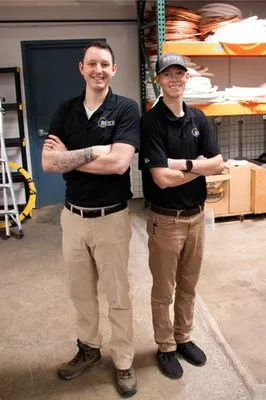
Ben's Heating & Air Conditioning
Ben's Heating & Air Conditioning is a trusted, family-owned HVAC provider serving Oregon City and the Portland area since 1990. For over three decades, the Burton family has built a legacy on integrit...

Eco Air is a family-owned HVAC business serving Oregon City and surrounding areas with over 20 years of dedicated experience. Founded on principles of craftsmanship and efficiency, our expertise began...
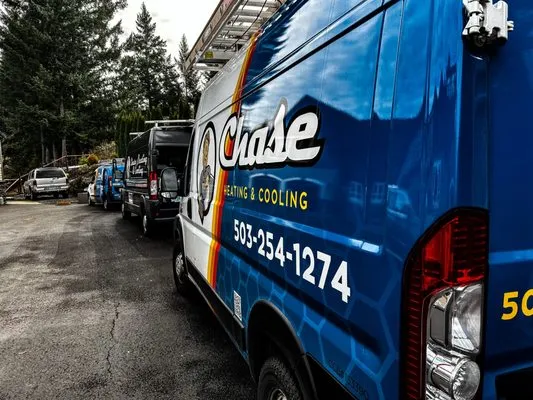
For over 20 years, Chase Heating & Cooling has been a trusted, family-owned HVAC provider for Oregon City, Clackamas County, and East Portland. Founded by Paul in 2001, we build lasting relationships ...

Chuck's Heating & Cooling
For over 50 years, Chuck's Heating & Cooling has been a trusted, third-generation HVAC provider serving Oregon City and the greater Portland area. We specialize in comprehensive heating, cooling, and ...
Pete Strance Heating & AC
Pete Strance Heating & AC has been a trusted name in Oregon City home comfort since 1983, built on a foundation of family and deep local knowledge. Founder George started in the trade in 1979, and the...
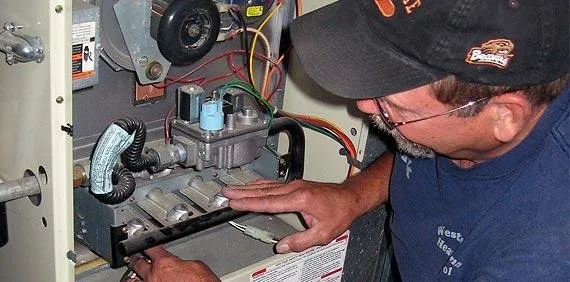
Westermann Heat & Cool
Mark Westermann founded Westermann Heat & Cool in 1992, bringing a wealth of hands-on experience that began in the heating industry back in 1980. After years in furnace manufacturing and management, M...
Questions and Answers
Can my older ductwork handle MERV-13 filters for wildfire smoke protection?
Galvanized sheet metal with fiberglass wrap ductwork typically has sufficient structural integrity for MERV-13 filters, but static pressure becomes the limiting factor. These systems were designed for lower-resistance fiberglass filters, so adding MERV-13 increases pressure drop by 0.2-0.4 inches of water column. During May pollen peaks and wildfire PM2.5 events, the continuous fan operation needed for filtration can push older blower motors beyond their design capacity. A static pressure test determines if your specific system can accommodate higher filtration without airflow reduction.
How do modern refrigerants perform during Oregon City's hottest summer days?
Oregon City's 89°F design temperature represents the 1% hottest conditions systems must handle, though actual temperatures occasionally reach mid-90s. R-454B refrigerant maintains stable pressure-temperature relationships up to approximately 115°F ambient, providing adequate capacity margin. The refrigerant's lower global warming potential (GWP 466) compared to older R-410A (GWP 2088) reduces environmental impact while delivering similar cooling performance. During extreme heat events, proper sizing through Manual J calculations ensures systems maintain target delta T without excessive cycling.
Why do older Oregon City HVAC systems develop condensate line clogs so frequently?
The average Oregon City home was built around 1990, making many HVAC systems approximately 36 years old. Galvanized sheet metal ductwork from that era often develops microscopic rust particles that combine with organic debris like pollen and dust. This mixture creates a sludge that gradually accumulates in condensate drain lines. The moderate humidity profile in our area means systems run condensation cycles regularly, providing constant moisture to feed this buildup.
Should I switch from gas heat to a heat pump given Oregon City's climate patterns?
Oregon City's winter lows rarely drop below the effective operating range of modern cold-climate heat pumps, which maintain capacity down to approximately 5°F. The 07:00-10:00 and 17:00-20:00 utility peak hours align with typical heating demand periods, making time-of-use rate management beneficial. Energy Trust of Oregon offers up to $1,500 in additional rebates for qualified heat pump installations. A dual-fuel system retaining gas backup for extreme cold provides optimal efficiency while ensuring reliability during prolonged cold snaps.
What's the fastest way to get emergency cooling service in Canemah when my system fails?
For a no-cool emergency in Canemah, technicians can dispatch from the McLoughlin Promenade area directly onto OR-99E. This arterial route provides uninterrupted access to most neighborhoods without surface street delays. The travel time typically falls within 10-15 minutes during non-peak hours. This routing efficiency means diagnostic tools and replacement parts arrive with the technician for immediate troubleshooting.
How do the 2026 SEER2 requirements affect my Oregon City utility bills?
The 13.4 SEER2 minimum for 2026 represents about a 15% efficiency improvement over previous standards. At Oregon City's current 0.13/kWh rate, this translates to approximately $180-240 annual savings for a typical 2.5-3.0 ton system. The Inflation Reduction Act's $8,000 rebate cap makes upgrading financially accessible by offsetting 40-60% of installation costs. This combination of higher efficiency standards and substantial rebates creates optimal conditions for system replacement.
What does an Ecobee E164 alert indicate about my Oregon City HVAC system?
The Ecobee E164 alert specifically signals a condensate overflow switch activation, which in Oregon City typically indicates organic debris accumulation in the drain line. This alert often precedes complete clogs by 24-48 hours, providing valuable predictive maintenance opportunity. The moderate humidity combined with May pollen peaks creates ideal conditions for biological growth in drain pans. Addressing this alert promptly prevents water damage to equipment and surrounding structures while maintaining proper dehumidification during cooling cycles.
What permitting and safety standards apply to new HVAC installations in Oregon City?
The Oregon City Building Division requires permits for all HVAC system replacements, with specific documentation for A2L refrigerants like R-454B. 2026 standards mandate leak detection systems, emergency ventilation, and refrigerant charge limits for mildly flammable A2L refrigerants. Installations must follow ASHRAE 15-2022 safety guidelines for equipment room requirements and maximum refrigerant quantities. Proper certification of technicians handling A2L refrigerants is now legally required, with documentation submitted to the building division before final inspection approval.
