
Top Emergency HVAC Services in Portland, OR, 97035 | Compare & Call

PDX Heating and Cooling is a locally-owned HVAC company in Portland, OR, with deep roots in the community. Founded as a radiant floor heating specialist, the business has grown to offer comprehensive ...
Jacobs Heating & Air Conditioning
Jacobs Heating & Air Conditioning has been a trusted HVAC provider in the Portland-Vancouver area for over 60 years. We specialize in installation, maintenance, and repair of heating, ventilation, and...
Three Rivers Heating and Cooling
Three Rivers Heating and Cooling is a Portland-based HVAC company founded by two high school friends who wanted to create a straightforward, educational service experience. They focus on helping clien...
Revival Heating & Cooling
Revival Heating & Cooling is a Portland-based home performance company founded by Robert, a certified heating specialist with an engineering background, and Jim B, who brings custom home design expert...
Sun Glow
Sun Glow is a family-owned and operated HVAC, plumbing, and electrical service provider serving the Portland metro area since 1972. Founded by Ed and Sharon Golobay with a commitment to exceptional se...
Anctil Heating & Cooling has been a trusted HVAC provider in Portland since its founding in 1976 by Paul Anctil. The business transitioned to his son Tom in 1989 and is now owned by Tom's nephew Mark,...

Appliance Guys, Inc. has been a trusted name in the Portland community since 1997, founded by a dedicated husband-and-wife team. We specialize in repairing and installing a wide range of household app...
Sunset Heating & Cooling is a family-owned Portland institution, providing reliable heating, cooling, and electrical services since 1922. Our team of local experts is committed to clear communication,...
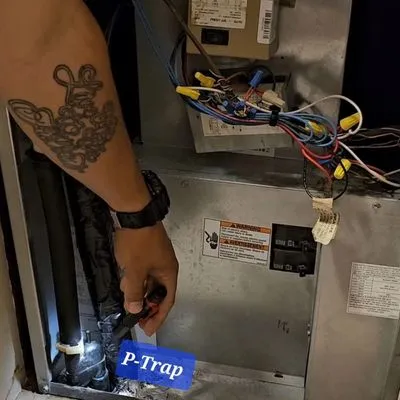
Deluxe Heating & Cooling has been a trusted fixture in Portland's HVAC landscape since 1998. The company's roots run deep in local service, having originated from Deluxe Fuel, which began serving the ...

The Heating Specialist
The Heating Specialist is a family-owned HVAC company that has been serving the Portland-Vancouver metro area since 1981. Founded by Dave, a born Portlander and engineer, we bring local expertise and ...
Common Questions
I have gas heat. Does a heat pump make sense for our Portland winters?
Modern cold-climate heat pumps provide efficient heating down to about 5°F, well below Portland's average winter lows. The economic case is strongest when considering the 7-10 AM and 5-8 PM peak electricity rates. A heat pump can shift some heating load to off-peak hours, and its efficiency often beats gas when outdoor temperatures are above the mid-30s. With the available rebates, the switch reduces your carbon footprint and can offer lower annual energy costs, especially if your gas furnace is nearing replacement.
What permits and new rules apply to a 2026 HVAC installation in Portland?
All replacement installations in Portland require a mechanical permit from the City of Portland Bureau of Development Services. Since January 2023, new systems must use A2L (mildly flammable) refrigerants like R-454B or R-32. This mandates specific safety standards: leak detection systems, revised service procedures, and specialized technician certification (EPA Section 608). The permit ensures the installation complies with these 2026 safety codes, local amendments to the mechanical code, and proper load calculations for system sizing and efficiency.
Can my older home's ductwork handle a high-efficiency air filter for wildfire smoke and pollen?
Your galvanized sheet metal ductwork, common in Portland's mid-century homes, is structurally sound for higher filtration. The risk is increased static pressure from a filter that's too restrictive. A MERV-13 filter is recommended for capturing PM2.5 from wildfires and May pollen, but it must be paired with a system performance check. An undersized or aging blower motor may struggle; we measure static pressure to ensure the upgrade doesn't reduce airflow or cause the evaporator coil to freeze.
Is the new 13.4 SEER2 minimum efficiency standard worth the upgrade cost?
The 2026 SEER2 standard reflects a 10% increase in real-world efficiency over the old SEER rating. With Portland residential rates at $0.14 per kWh, a new 18 SEER2 system can cut cooling costs by nearly 30% compared to a unit from 2010. The federal Inflation Reduction Act (HEEHRA) provides a direct rebate of up to $8,000 for qualified heat pump installations, which often covers a significant portion of the upgrade. Combined with Energy Trust of Oregon incentives up to $2,000, the payback period can be under five years.
If my AC quits on a hot day in the Pearl District, how fast can a technician arrive?
A dispatch from our service center near Tom McCall Waterfront Park uses I-405 for direct access to the Pearl District, avoiding surface street congestion. We schedule a 12-18 minute response window for emergency no-cool calls. Technicians carry common capacitors, contactors, and diagnostic tools for the most frequent failures on-site. This rapid response is critical to prevent heat buildup and humidity spike in your living space.
Portland summers seem hotter than my AC's rating. Will a new unit keep up?
Portland's official design temperature for HVAC sizing is 88°F, but summer peaks can exceed 100°F. This gap means a properly sized system, based on a Manual J load calculation, is essential. Modern systems with variable-speed compressors modulate output to handle extended heat, unlike older single-stage units. The new standard refrigerant, R-454B, has a lower global warming potential and maintains stable pressure and capacity better than older refrigerants in these higher ambient temperatures, providing more consistent cooling.
My AC is about as old as my house. Should I expect problems soon?
The average home in Portland was built in 1964, meaning many HVAC units are original or have reached the end of their 15-20 year service life. A system this old likely uses R-22 refrigerant, which is obsolete and costly to service. In our moderate humidity, older condensate drain pans and lines are prime locations for algae and biological growth, leading to the most common failure: a clogged condensate line triggering a system shutdown. Proactive maintenance can delay this, but component fatigue is a physics problem, not just a cleaning one.
My Ecobee thermostat is showing an 'E1' alert. What does that mean for my system?
The Ecobee E1 code specifically indicates a loss of communication with your HVAC equipment. In Portland, this is often triggered by a safety float switch in the condensate drain pan being tripped due to an algae blockage—a frequent issue in our climate. It can also signal a failed control board or a blown low-voltage fuse. This alert prevents the system from running to avoid water damage. The first step is to check and clear the primary condensate drain line, typically located near your indoor air handler.
