
Top Emergency HVAC Services in Sisters, OR, 97759 | Compare & Call

Roth Home
Since 1976, Roth Home has been a trusted name for home comfort across Oregon. Founded in Canby by Don Roth and now led by President Kory MacGregor, our commitment to Central Oregon deepened in 2006 wh...
Second Wind Heating & Cooling is a trusted HVAC service provider based in Sisters, Oregon, with over 23 years of experience serving the local community. We specialize in heating and cooling solutions ...
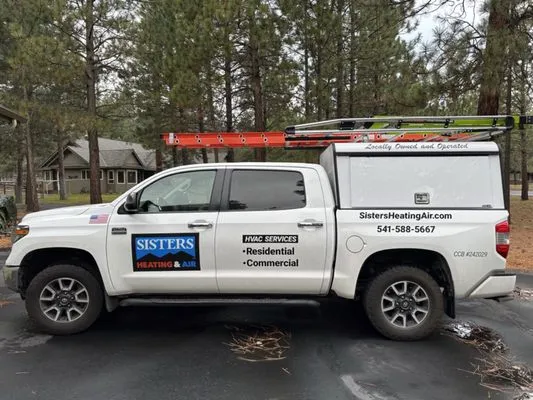
Sisters Heating & Air is a trusted, family-owned HVAC provider serving Sisters and the surrounding communities. With over 16 years of local experience, our team is dedicated to providing reliable heat...
Chris, the owner of Action Air Heating and Cooling, brings over two decades of experience to Sisters and Central Oregon, having worked in the HVAC field since 2003. He founded Action Air on a straight...
Olson Heating and Air is a trusted HVAC company serving Sisters, Oregon, and the surrounding Central Oregon communities. We specialize in addressing common local HVAC challenges, particularly improper...

Wildwood Mechanical Services is your trusted local partner for plumbing, heating, and air conditioning in Sisters, Oregon. We understand the unique challenges Central Oregon homeowners face, especiall...
Professional Heating & Cooling is your trusted, local HVAC partner in Sisters, Oregon. We specialize in providing expert installation, repair, and maintenance services for all your heating and cooling...
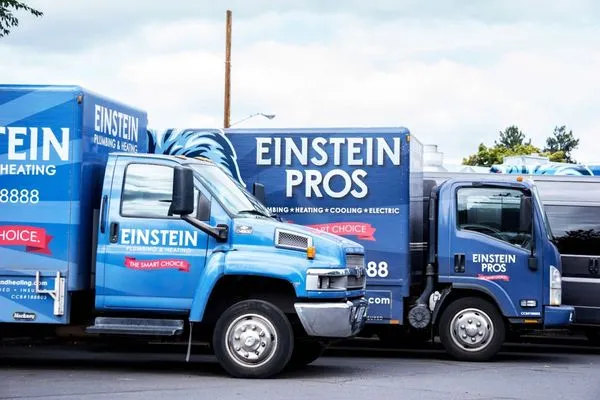
Einstein Pros
Einstein Pros is a trusted, locally owned plumbing and HVAC service provider proudly serving Sisters and Central Oregon since 1999. With over 24 years of hands-on experience in the region, our team of...
Mountain House Heating & Cooling
Mountain House Heating & Cooling is a trusted HVAC company serving Sisters, Oregon, and the surrounding Central Oregon communities. We specialize in addressing the unique challenges local homes face, ...
Q&A
Can I use a high-MERV filter to protect against June pollen and wildfire smoke with my existing ductwork?
Your galvanized sheet metal ducts with R-8 wrap are generally robust and can often support better filtration than flex duct. However, installing a MERV-13 filter for PM2.5 and pollen creates higher static pressure. We must measure your system's static pressure and blower capacity first; many older systems will require a blower motor upgrade or a 4-5 inch media cabinet to handle the airflow restriction without losing efficiency or causing the coil to freeze.
My air conditioner stopped working on a hot afternoon in Downtown Sisters. How quickly can a technician arrive?
For a no-cool emergency, our service vehicles are typically dispatched from our location near Sisters City Park. Using US-20, we can reach most homes in the Downtown Sisters area within 5 to 10 minutes during business hours. We prioritize these calls to prevent heat buildup and potential secondary damage to the system, especially when wildfire smoke is present and you need to keep windows closed.
My HVAC system is original to my 2004 home. Is it nearing the end of its service life?
A system installed in 2004 is now 22 years old, which exceeds the typical 15-20 year design life for residential HVAC equipment. In Sisters, the extreme diurnal temperature swings—hot days followed by cool nights—place significant thermal stress on electrical components. This repeated expansion and contraction is a primary reason start capacitors fail here, as the solder joints crack and the capacitor can no longer provide the initial jolt to start the compressor motor.
What are the permit and safety requirements for installing a new system with the latest refrigerant?
All HVAC replacements in Sisters require a permit from the City of Sisters Building Department to ensure compliance with state mechanical and electrical codes. As of 2026, new systems predominantly use A2L refrigerants like R-454B, which are mildly flammable. Installations must follow strict EPA Section 608 guidelines and manufacturer specifications for leak detection, room size calculations, and proper labeling. Technicians require special certification to handle these new refrigerants safely and legally.
I use propane heat. Is switching to an electric heat pump a practical choice for Sisters winters?
Modern cold-climate heat pumps are engineered to operate efficiently in Sisters' winter lows, which can dip into the teens. The key is selecting a unit with a high Heating Seasonal Performance Factor (HSPF2) and a compressor designed for low-ambient operation. With Central Electric Cooperative's peak hours from 5 PM to 9 PM, a properly sized heat pump with a smart thermostat can avoid the highest cost periods, and the federal rebates make the switch from propane financially compelling for year-round comfort.
Why does my AC struggle when the temperature gets above 95°F, even though it's supposed to be sized for our climate?
Your system's design capacity is based on an 88°F outdoor temperature, which is the historical design temp for load calculations here. On days reaching 95°F or higher, the system operates at a deficit, as the condenser has less temperature difference (delta T) to reject heat. Modern units using R-454B refrigerant maintain better capacity and efficiency at these higher ambient temperatures compared to older R-410A systems, but proper sizing and duct integrity are critical for peak performance.
My Ecobee thermostat is showing an 'E1' alert. What does this mean for my HVAC system?
An Ecobee E1 error code indicates the thermostat has lost communication with the outdoor unit. In Sisters, this is frequently triggered by a safety lockout on the compressor due to a faulty start capacitor—a common failure point here. The system attempts to restart, fails, and locks out, sending the signal back to the thermostat. This specific alert helps prevent compressor damage and signals the need for a professional diagnosis of the electrical circuit and capacitor health.
What does the new 14.3 SEER2 minimum efficiency standard mean for my upgrade in 2026?
The 14.3 SEER2 mandate, effective in 2023, sets a new baseline that accounts for more realistic static pressure in ductwork. For a home here, upgrading a 3-ton system from a 10 SEER unit to a new 16+ SEER2 model at the local rate of $0.11/kWh can save about $300 annually on cooling. The federal Inflation Reduction Act (HEEHRA) provides rebates up to $8,000 for qualified heat pump installations, which can offset a major portion of the upfront cost for a high-efficiency system.
