
Top Emergency HVAC Services in The Dalles, OR, 97058 | Compare & Call

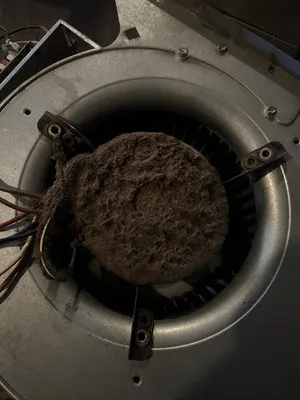
Columbia Gorge Comfort Solutions was founded in 2022 on a simple, family-centered principle: to treat every customer the way we'd want our own family to be treated. Owner-driven and locally operated i...
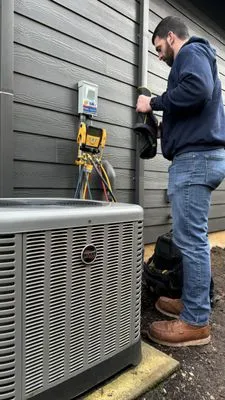
Sky Heating, AC, Plumbing & Electrical
Sky Heating, AC, Plumbing & Electrical was founded in The Dalles in 1979 by William G. Smith. For over four decades, we've grown from focusing on new construction to becoming the region's leading prov...
For over 75 years, Oregon Equipment Company has been a trusted, family-owned HVAC provider in The Dalles and the Columbia Gorge. Now in its third generation, we specialize in custom-designed heating a...
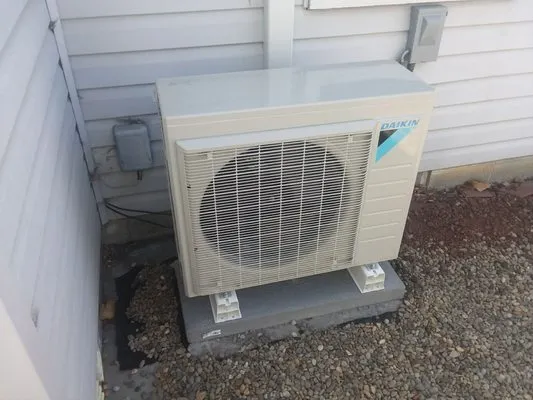
Airco Heating & Cooling is a trusted HVAC contractor serving The Dalles and surrounding communities. Our team understands the specific climate challenges local homeowners face, including high indoor h...
All American Mechanical
All American Mechanical is The Dalles' trusted local expert for heating, cooling, and water heater services. We understand that homeowners here face common HVAC issues like thermostat malfunctions and...
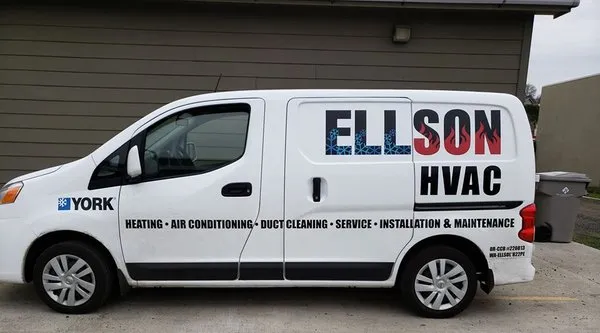
Ellson HVAC is a trusted heating and air conditioning company based in The Dalles, OR, serving the Columbia River Gorge. Founded by Jason Ells, the company was born from a commitment to providing reli...

Ballinger Refrigeration & Appliance
Ballinger Refrigeration & Appliance has been a trusted service provider in The Dalles and the Columbia River Gorge since 1960. As a second-generation family business owned and operated by Mike Balling...
Quality Air Systems is a trusted, family-owned HVAC company that has been serving The Dalles and the Columbia River Gorge for over three decades. Our team consists of fully licensed and EPA-certified ...
Home Services at The Home Depot
At Home Services at The Home Depot in The Dalles, we're your local home improvement specialists, focusing on the projects that make your house more comfortable and efficient. Our team of skilled, lice...
Royal Flush Plumbing & Heating is a trusted, locally-owned HVAC and plumbing company serving The Dalles, OR, and surrounding areas. We specialize in comprehensive plumbing inspections and HVAC mainten...
Frequently Asked Questions
If my air conditioner stops working on a hot Uptown afternoon, how quickly can a technician arrive?
A technician can typically be dispatched from the The Dalles Dam Visitor Center area within 5-10 minutes. Using I-84, they have direct access to the Uptown neighborhood for a rapid response to no-cool emergencies like a tripped breaker or failed capacitor, which are common during peak heat.
Is switching from my gas furnace to a heat pump a practical choice for our climate?
Modern cold-climate heat pumps are effective for The Dalles winters. The key is selecting a unit with a high Heating Seasonal Performance Factor (HSPF) for efficiency in the 30°F range. To maximize savings, use a programmable thermostat to avoid operating the heat pump during the utility's peak rate hours from 5 PM to 9 PM, leveraging your lower off-peak electricity rates.
Can my existing ductwork handle better air filters for wildfire smoke and spring pollen?
Upgrading filtration is wise for May pollen peaks and wildfire PM2.5. Your galvanized sheet metal ductwork is typically robust enough to handle a MERV-13 filter, but a technician must measure the system's static pressure. An undersized or aging blower motor may struggle, requiring adjustments to maintain proper airflow and cooling capacity.
My Ecobee thermostat is showing an E1 error code. What should I do?
An Ecobee E1 alert indicates the thermostat is not detecting power from your HVAC system. In The Dalles, this commonly points to a tripped safety switch on the indoor air handler or a failed low-voltage transformer, often triggered by the system straining during high afternoon temperatures. It is a diagnostic signal to call for service before a minor issue causes a compressor overload.
What are the permit and safety requirements for installing a new A/C unit in 2026?
All installations require a permit from the Wasco County Building Codes Division. Since 2025, systems using R-454B and other A2L refrigerants must follow updated safety standards, including mandatory leak detectors, specific room size requirements for indoor units, and using technicians certified in A2L handling. These codes ensure the safe use of mildly flammable refrigerants in residential settings.
My system seems to struggle more each summer. Could its age be a factor?
In The Dalles, the average home is from 1962, making many central air systems over 30 years old. Units this old, designed for older refrigerants, are not optimized for the sustained 96°F design days we see. The primary failure point for these aging systems is compressor thermal overload, where the internal components degrade and can no longer shed the intense heat absorbed from the high desert air, leading to a complete shutdown.
What does the new 14.3 SEER2 minimum efficiency standard mean for my electricity bill?
The 2026 federal SEER2 mandate ensures new systems use significantly less energy than older models. With Northern Wasco County PUD rates around $0.08 per kWh, the operational savings are meaningful. Pairing a high-SEER2 system with the active Inflation Reduction Act rebate, which offers up to $8,000, substantially reduces the net cost of a high-efficiency upgrade.
Why does my air conditioner sometimes can't keep up on the very hottest days?
System capacity is based on a 96°F outdoor design temperature. When temperatures exceed that, as they occasionally do, the system operates continuously but may not reach the desired indoor setpoint. Modern units using R-454B refrigerant are better suited for these extremes, as this new A2L refrigerant maintains stable pressure and cooling capacity more effectively in high heat than older R-410A.
