
Top Emergency HVAC Services in Winston, OR, 97496 | Compare & Call

There are 17 hvac companies server in Winston OR
Marshall's Specialty Services
Lisa joined the Dannen family business in 2018, bringing over two decades of operational expertise to support Marshall's team of technical specialists. The company's story began in 1948 when Marshall ...
Alpha Heating & Air has been Roseburg's trusted HVAC partner since 1993, offering reliable heating and cooling solutions for local families and businesses. Our team consists of NATE-certified technici...
Above All Heating and Air Conditioning
Above All Heating and Air Conditioning is a licensed HVAC service provider serving residential and commercial properties across Lane, Linn, Benton, and Douglas Counties in Oregon. Based in Eugene, we ...
Alpha Heating & Air has been Bandon's trusted HVAC partner since 1993, providing reliable heating and air conditioning services to local families and businesses. Our team of certified technicians deli...
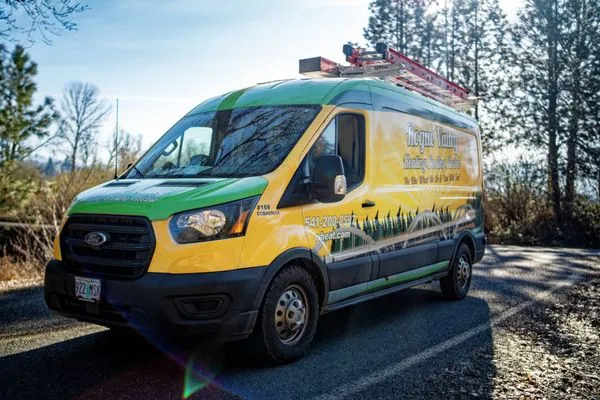
Rogue Valley Heating, Cooling & Electrical has been a trusted provider for Southern Oregon families since 1899, with the current owner operating as Rogue Valley Heating & Air since 1996. We offer fast...
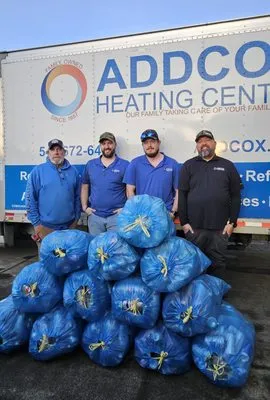
Addcox Heating Center
Addcox Heating Center in Roseburg, OR, is a family-owned and operated HVAC contractor with deep roots in the community. Founded in 1987 by David Bastian Sr., who transformed Addcox Electric Inc. into ...

Air Connections is a trusted, local HVAC contractor serving the Coquille, OR community. We specialize in the installation, repair, and maintenance of heating and cooling systems to keep homes comforta...
Just Ductless is a family-owned heating and cooling company in Roseburg, Oregon, specializing exclusively in ductless systems. Founded in 2002 by Dave Richner, a second-generation HVAC specialist with...
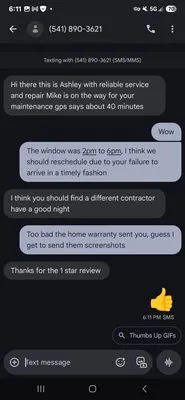
Reliable Service & Repair is your trusted local HVAC specialist in Cottage Grove, OR, dedicated to keeping homes comfortable year-round. We specialize in addressing common local HVAC challenges like h...
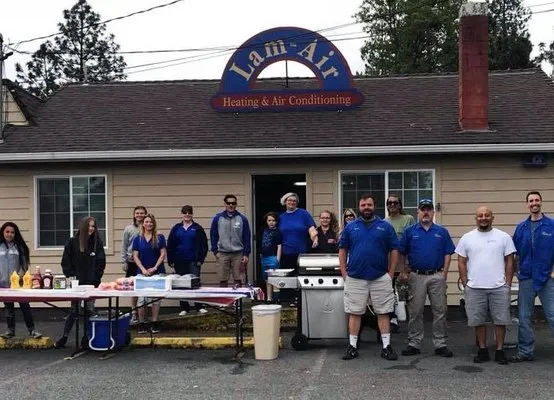
Lam Air Heating And Air Conditioning
Lam-Air Heating & Air Conditioning is a family-owned business that has been a trusted HVAC partner for Southern Oregon families since 1988. We specialize in providing reliable heating, cooling, and wa...
Estimated HVAC Service Costs in Winston, OR
FAQs
Is the new 13.4 SEER2 standard worth the upgrade cost with my current electric rate?
The 2026 federal minimum SEER2 of 13.4 represents a significant efficiency jump over older units. With Winston's average electric rate of $0.11 per kWh, a new system can cut cooling costs by roughly 30-40%. The active Inflation Reduction Act rebates, with an $8,000 cap, directly offset the upfront cost, making the payback period for a high-efficiency heat pump system exceptionally favorable right now.
Why does my 50-year-old HVAC system fail every summer?
In Winston, the average home was built around 1977, making many original systems nearly 50 years old. At this age, the lubricants in components like the condenser fan motor break down, accelerating wear. The arid-moderate climate, with its dry heat and airborne particulates, further stresses these old motors, making degradation and failure the most common repair we see for units of this vintage.
My Ecobee thermostat is showing an E1 alert. What does that mean for my system?
An Ecobee E1 error indicates the thermostat is not detecting voltage from your HVAC equipment's control board. In Winston, this commonly points to a safety lockout due to a faulty flame sensor on a furnace or, in a heat pump system, a failed pressure switch or condenser fan motor. It's a critical alert signaling the system has shut down to prevent damage, requiring professional diagnosis to resolve the underlying electrical or mechanical fault.
What are the permit and safety rules for a new AC installation in 2026?
All installations in Douglas County require a permit from the Douglas County Building Department. As of 2026, new systems must use A2L refrigerants like R-454B, which are mildly flammable. This mandates specific safety protocols: leak detectors must be installed in the indoor unit, and all technicians require EPA Section 608 certification for handling flammable refrigerants. These codes ensure safe operation and are verified during the final inspection.
Can my old galvanized steel ducts handle a high-efficiency filter for wildfire smoke and pollen?
Galvanized steel ductwork, common in Winston homes, is physically durable but often undersized for modern airflow needs. Installing a MERV-13 filter for PM2.5 and May pollen peaks can create excessive static pressure, reducing airflow and straining the blower motor. A technician must perform a static pressure test before upgrading filtration; often, duct modifications or a dedicated air purifier is a more effective solution for indoor air quality.
Why does my AC struggle when it hits 100°F, even though it's rated for 93°F?
Winston's design temperature for HVAC sizing is 93°F, meaning systems are engineered to maintain comfort efficiently up to that point. Summer highs exceeding 100°F create a 'design gap,' forcing the unit to run continuously with reduced capacity. Modern systems using R-454B refrigerant maintain better performance and pressure stability in these extreme temperatures compared to older R-410A units, but some capacity loss is inevitable.
Should I switch from my expensive electric furnace to a heat pump for Winston winters?
Yes, a modern cold-climate heat pump is an excellent primary heat source for Winston. It operates efficiently in our winter lows, and the Energy Trust of Oregon offers a $1,000 heat pump incentive. To maximize savings, use a timer to avoid supplemental heat use during utility peak hours (7-10 AM and 5-9 PM). This transition from straight electric heat typically cuts heating costs by 50-60%.
My AC quit on a hot day in Downtown Winston. How fast can you get here?
We dispatch from our shop near River Forks Park. Using I-5, we can navigate to most Downtown Winston addresses within 5 to 10 minutes for emergency no-cool calls. This rapid response is critical to prevent indoor temperatures from rising quickly and to diagnose issues like a failed capacitor or refrigerant loss before they cause secondary damage.
