
Top Emergency HVAC Services in Carnegie, PA, 15106 | Compare & Call

Acheson Heating & Cooling
Acheson Heating & Cooling Co., LLC is a trusted local HVAC provider based in Carnegie, PA, founded on over three decades of hands-on experience. Owner and technician John Acheson started in the trade ...
720° HVAC & R is a trusted heating and air conditioning company serving Carnegie, PA, and the surrounding communities. Specializing in installation, repair, and maintenance of all HVAC systems, we hel...
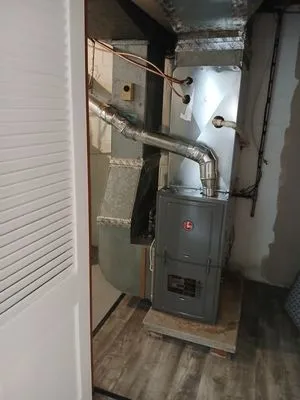
Off The Clock Plumbing And Heating is a family-owned and operated plumbing, heating, and HVAC company serving Carnegie, PA, and the greater Pittsburgh area. Founded on a legacy of over 40 years of exp...
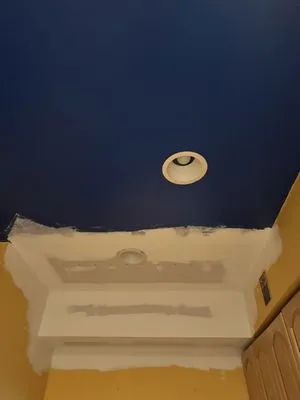
Wahl Family Heating, Cooling & Plumbing
Wahl Family Heating, Cooling & Plumbing has been a trusted name in Carnegie and the surrounding communities since 1980. As a family-owned and operated business, we understand the importance of a comfo...
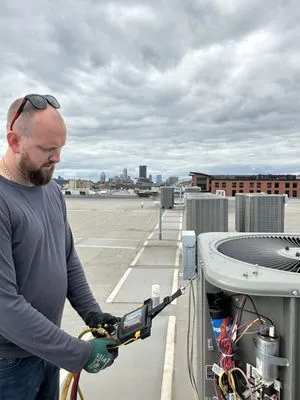
Top Tech Heating & Cooling
Top Tech Heating & Cooling is a trusted HVAC service provider serving Carnegie, PA, and the wider Western Pennsylvania region. We specialize in comprehensive heating, ventilation, and air conditioning...
Feeney Brothers is a family-owned HVAC provider based in Carnegie, Pennsylvania, dedicated to empowering homeowners. We specialize in DIY-friendly mini-split heat pump systems, designed for self-insta...
R F Mechanical is a trusted, locally-owned HVAC contractor serving Carnegie and the surrounding communities. With over two decades of hands-on experience, owner Rob Frost is dedicated to providing rel...
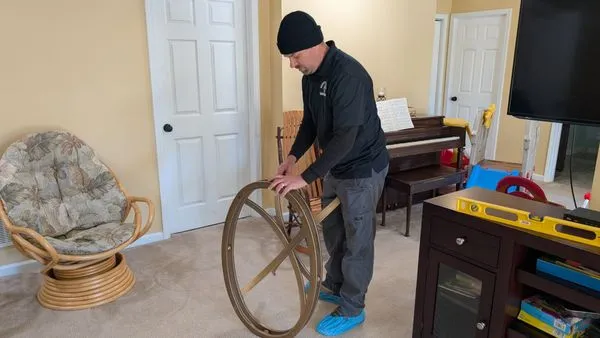
Hammer & Nails Handyman
Hammer & Nails Handyman is your local, reliable neighbor in Carnegie, PA, dedicated to making homeownership easier. We know finding a trustworthy, skilled professional can be a challenge. That's why w...

Hollins Services in Carnegie, PA, is a local HVAC company dedicated to providing reliable heating and air conditioning solutions for homeowners. We focus on delivering professional service with a genu...

Liberty Fuel & Supply is a trusted, family-owned heating and HVAC company serving Carnegie and the surrounding communities. We specialize in diagnosing and resolving common local heating issues, such ...
Question Answers
Can my existing ducts handle a better filter for our spring pollen and PM2.5?
Galvanized steel ductwork, common in Carnegie homes, is physically robust but often undersized for modern, restrictive filters. Installing a standard 1-inch MERV-13 filter can create excessive static pressure, reducing airflow and straining the blower motor. A better solution is a 4-inch media cabinet installed at the air handler, which provides superior particle capture for May pollen peaks and PM2.5 with a much lower pressure drop, protecting system performance and indoor air quality.
My air conditioner just stopped on a hot day near Carnegie Park. How fast can a technician arrive?
For a no-cool emergency, our dispatch prioritizes calls from the Carnegie Borough area. With a service vehicle routed from I-376, a technician can typically be on-site within the 15 to 25 minute window. We recommend checking the circuit breaker and ensuring the outdoor unit is clear of debris while you wait, as these are frequent simple fixes for an immediate outage.
What does the new 14.3 SEER2 minimum mean for my utility bills?
The 2026 SEER2 standard reflects a more realistic measure of efficiency under Pittsburgh's humid conditions. Upgrading from an old 10 SEER unit to a new 16 SEER2 model can reduce cooling electricity use by roughly 30%. At the local rate of $0.16 per kWh, this creates meaningful annual savings. These savings combine with the active federal HEEHRA rebate, which offers up to $8,000 for qualified heat pump installations, improving the overall return on investment.
My Ecobee thermostat is showing an E1 error. What does that mean here?
An Ecobee E1 alert indicates the thermostat is not detecting power from the HVAC system's control circuit. In Carnegie homes, this is commonly traced to a safety switch tripped by a clogged condensate drain line—a frequent issue in our humid climate. It can also signal a failed transformer or a tripped float switch in the air handler pan. This error proactively prevents water damage by shutting the system down, requiring a technician to clear the blockage and reset the safety.
Why does my AC struggle when it hits 95°F, if it's designed for 88°F?
Air conditioners are sized for the 88°F design temperature, which represents a local summer peak. When ambient temperatures exceed this, as they regularly do, the system must run continuously to maintain setpoint, and its capacity drops. Modern units using R-454B refrigerant maintain better efficiency and pressure stability in these high-heat conditions compared to older R-410A systems, but some capacity loss is an expected characteristic of the thermodynamic cycle during extreme weather.
Are there new codes for the refrigerant in a 2026 AC installation?
Yes, installations using A2L refrigerants like R-454B, now standard, must adhere to updated 2026 safety codes. These mandate specific leak detectors, revised electrical classifications for equipment rooms, and updated pipe brazing procedures. A permit from the Carnegie Borough Building Code Office is required for this work, and the installing contractor must be EPA Section 608 certified for A2Ls. These protocols ensure the safe handling of mildly flammable refrigerants in your home.
My furnace is original to my 1953 Carnegie home. Is it time to replace it?
Systems from that era are approximately 73 years old, well beyond their intended lifespan. Age-related corrosion in galvanized steel ducts and heat exchangers is a primary concern. This degradation often leads to restricted airflow and can contribute to the common failure point of condensate line blockages, as rust and sediment enter the drain system. Planning a proactive replacement avoids emergency breakdowns during peak heating or cooling seasons.
With gas heat, should I consider a heat pump for my Carnegie home?
For many homes, a dual-fuel system pairing a heat pump with your existing gas furnace is optimal. The heat pump efficiently handles heating during milder winter temperatures and all summer cooling. During the coldest nights or the utility peak hours of 2 PM to 7 PM, the system can automatically switch to gas heat, providing reliability and often lowering operating costs compared to running a heat pump when electricity rates are highest or during deep temperature dips below its efficient operating range.
