
Top Emergency HVAC Services in Gibsonia, PA, 15044 | Compare & Call

McVay Plumbing Heating & Cooling Company
McVay Plumbing Heating & Cooling Company in Gibsonia, PA, is a trusted local provider of plumbing, heating, and cooling services. With a partnership with Mister Sewer, they offer comprehensive sewer s...
ARS / Rescue Rooter
ARS / Rescue Rooter in Gibsonia, PA is your trusted local HVAC and water heater specialist. Our licensed technicians provide reliable heating, cooling, and water heater services for homes in Gibsonia ...

Orlando Plumbing & Heating Service
Orlando Plumbing & Heating Service is a trusted local provider in Gibsonia, PA, specializing in plumbing, heating, and HVAC solutions. We help Gibsonia homeowners and businesses maintain efficient sys...
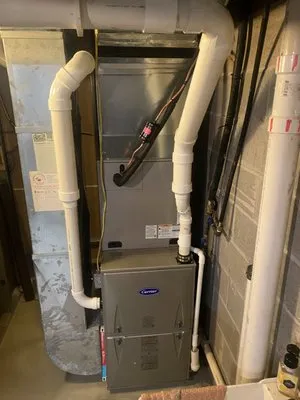
Hampton Mechanical is a trusted HVAC and sheet metal contractor serving Gibsonia, PA, and the broader Pittsburgh region since 1989. With decades of experience, we specialize in heating and air conditi...
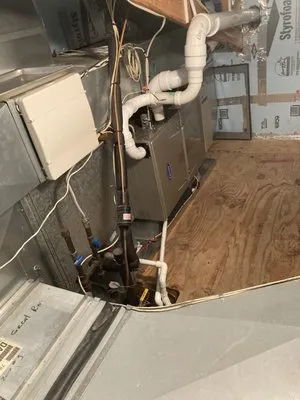
Al's Heating and Air Conditioning is a trusted HVAC service provider serving the Gibsonia, PA community. We understand the specific challenges local homeowners face, such as frozen HVAC pipes during c...
Air Flow Technologies is Gibsonia's trusted HVAC specialist, dedicated to ensuring year-round comfort in your home. We understand the common frustrations faced by local homeowners, particularly issues...
Questions and Answers
What are the permit and safety rules for a new AC installation in Richland Township?
All new HVAC installations in Gibsonia require a permit from the Richland Township Building and Zoning Department. As of 2026, this is especially critical for systems using A2L refrigerants like R-454B, which are mildly flammable. The permit process ensures the installation meets current building codes, including specific safety standards for A2L equipment such as required room size, leak detectors, and proper labeling. Using a licensed contractor is mandatory, as they are trained in the safe handling, recovery, and charging procedures for these new refrigerants, protecting your home and ensuring system longevity.
Should I consider switching from my gas furnace to a heat pump in Gibsonia?
For Gibsonia homes, a dual-fuel or cold-climate heat pump system is a viable option. Modern heat pumps can operate efficiently in our winter lows, and pairing one with your existing gas furnace as a backup creates a highly efficient hybrid system. This setup automatically uses the most cost-effective fuel source. To maximize savings, program your thermostat to minimize use during Duquesne Light's peak hours from 2 PM to 7 PM. The federal HEEHRA rebates make this transition more economical by significantly offsetting the installation cost of a qualifying heat pump.
Can my older Gibsonia home's ducts handle better air filters for pollen and PM2.5?
Your existing galvanized steel ductwork is generally robust, but installing a high-MERV filter requires a static pressure check. A MERV-13 filter is excellent for capturing May pollen peaks and mitigating the local Particulate Matter (PM2.5) risk, but it can restrict airflow. On a system from the 1970s, this added restriction can cause the evaporator coil to freeze or reduce overall efficiency. We recommend a professional assessment to ensure your blower motor can handle the upgrade, and we often suggest a 4- or 5-inch media cabinet retrofit to achieve better filtration without excessive static pressure.
Are the new 2026 SEER2 standards and rebates worth the upgrade cost?
The new federal minimum SEER2 requirement is 14.3, but modern systems available in Gibsonia often reach 18 SEER2 or higher. At the current local rate of $0.16 per kWh, the operational savings are significant. The Inflation Reduction Act's HEEHRA rebates, with a cap of $8,000, directly reduce the upfront cost for qualified high-efficiency systems. When combined with Duquesne Light's Watt Choices rebates of up to $500, the payback period for upgrading from a 56-year-old system can be remarkably short.
What happens if my AC stops working during a Gibsonia heatwave?
A no-cool call in Gibsonia is treated as a priority dispatch. Our technicians are familiar with the local routes from the Richland Community Park area to PA-8, ensuring a typical response window of 15 to 25 minutes. Upon arrival, we first check for simple resets and inspect the condensate line, a common point of failure here. If the issue is more complex, we carry diagnostic tools and common R-454B refrigerant to begin an immediate repair, aiming to restore your cooling as quickly as possible.
Why does my AC struggle on the hottest days near Richland Community Park?
HVAC systems are engineered to a specific design temperature, which for Gibsonia is 88°F. On days that exceed this, which is common in summer, any system will run continuously and may not maintain the desired indoor temperature. The newer R-454B refrigerant standard performs more efficiently at these higher ambient temperatures compared to older R-410A, offering better capacity retention. Proper sizing via a Manual J load calculation is critical; an oversized unit from the 1970s will short-cycle and dehumidify poorly in our humid climate, while an undersized one will never catch up on peak heat days.
How long do HVAC systems last in a 1970s Gibsonia home?
A unit in a home built around 1970 is likely 56 years old, which far exceeds its intended service life. In Gibsonia, the primary failure point for systems of this age is condensate line freezing and blockages. This occurs because older evaporator coils operate less efficiently, causing condensate to form at lower temperatures that can freeze in the line. The age also means galvanized steel ductwork may have developed leaks, further reducing system efficiency and contributing to humidity issues in our humid continental climate.
My Ecobee thermostat in Gibsonia is showing an E1 alert. What does that mean?
An Ecobee E1 alert indicates the thermostat has lost communication with your HVAC equipment. In Gibsonia, this is often not a thermostat failure but a symptom of a system issue. The most common cause is a safety lockout on the furnace or air handler due to a fault, such as a flame sensor issue on your gas system or a condensate overflow switch being triggered. We recommend first checking your indoor unit for any blinking diagnostic lights and ensuring the power switch is on. If the alert persists, it requires a technician to diagnose the underlying equipment fault preventing the control signal.
