
Top Emergency HVAC Services in Lansdale, PA, 19446 | Compare & Call

McGlinn & Son Heating & Air Conditioning
For over 70 years, McGlinn & Son Heating & Air Conditioning has been a trusted, family-owned name serving Lansdale, Montgomery County, Bucks County, and NE Philadelphia. Established in 1953 and now in...
Scatton's Heating and Cooling has been the trusted HVAC provider for Lansdale and surrounding Montgomery and Bucks County communities for nearly 30 years. As a Carrier Factory Authorized Dealer, we sp...
Rise Up Heating and Cooling
Rise Up Heating and Cooling is a trusted, full-service HVAC and plumbing company serving Lansdale and the surrounding communities. We specialize in solving common local comfort issues like inefficient...
Donnelly's
For over 50 years, Donnelly's has been the trusted local name for plumbing, heating, and cooling in Lansdale and the Greater Philadelphia area. I'm the owner, and I've personally guided this family-or...
MRP Heating & Cooling has been a trusted fixture in Lansdale and the greater Philadelphia suburbs since 1998. We specialize in the installation, maintenance, and repair of both residential and commerc...
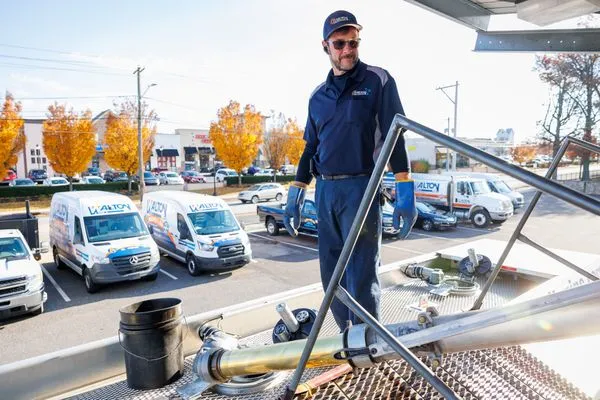
Since 1921, Clyde S Walton has been a cornerstone of the Lansdale community, operating from its original location at Broad and Hancock Streets. What began as a gas station evolved into a trusted provi...
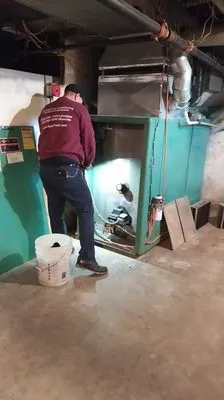
Rydal Fuel Heating & Air Conditioning
Since 1981, Rydal Fuel Heating & Air Conditioning has been a trusted, family-operated name in Lansdale and the surrounding Montgomery, Bucks, and Philadelphia Counties. What began as a heating oil del...
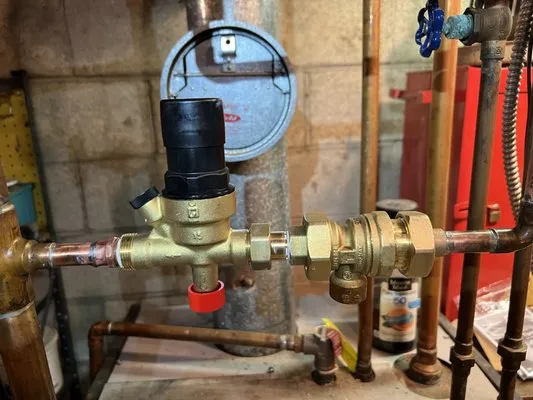
PJ Linskey Residential Mechanic is your trusted, local expert for plumbing, heating, and cooling needs in Lansdale, PA. We specialize in keeping homes comfortable and systems running efficiently, dire...
Abbey Plumbing is a trusted, second-generation family-owned plumbing and HVAC company serving the Lansdale community and surrounding Montgomery and Bucks Counties since 1976. We specialize in providin...

Sentry Heating & Cooling is a trusted, locally-owned HVAC company serving Lansdale, PA, and surrounding communities. We specialize in professional installation, repair, and maintenance for all heating...
Frequently Asked Questions
What does an Ecobee E1 error mean for my Lansdale home?
An Ecobee E1 alert typically indicates communication failure between the thermostat and HVAC equipment. In Lansdale's humid continental climate, this often results from voltage fluctuations during summer thunderstorms or corrosion in older wiring connections. The error prevents proper system cycling, which can lead to humidity buildup indoors. Immediate diagnosis identifies whether the issue originates at the thermostat, control board, or power supply.
Why do so many Lansdale homes have condensate drain line issues?
The average Lansdale home was built in 1957, making many HVAC systems around 69 years old. Galvanized sheet metal ductwork from that era often develops internal rust and sediment buildup over decades. This debris migrates to the condensate drain pan during cooling cycles, creating clogs that cause water backup and potential damage. Regular maintenance becomes critical for systems operating beyond their typical 15-20 year lifespan.
How does Lansdale's summer heat affect AC performance?
Lansdale's design temperature of 89°F represents the peak cooling load engineers plan for, though actual temperatures often reach mid-90s. This 5-7°F gap means systems operate near capacity during heatwaves, reducing efficiency margins. R-454B refrigerant maintains better performance at high ambient temperatures compared to older refrigerants, with approximately 5-8% higher capacity at 95°F conditions common in July and August.
What happens if my AC stops working during a Lansdale heatwave?
For a no-cool emergency in Downtown Lansdale, technicians can typically reach your home within 10-15 minutes. Our dispatch routes from White's Road Park via PA-63/Sumneytown Pike provide efficient access throughout the borough. We prioritize same-day service for complete system failures, especially during ozone risk days when indoor air quality deteriorates rapidly without proper ventilation.
What permits and safety standards apply to new AC installations?
All Lansdale HVAC installations require permits from the Borough Building and Code Enforcement office. For 2026, R-454B refrigerant systems must comply with updated A2L safety standards including leak detection, ventilation requirements, and proper labeling. These regulations address the mildly flammable nature of new refrigerants while maintaining system efficiency. Professional installation ensures compliance with both local codes and federal refrigerant handling certifications.
How do the new SEER2 standards affect my energy bills?
The 2026 minimum SEER2 requirement of 14.3 represents about a 15% efficiency improvement over previous standards. At Lansdale's current $0.16/kWh rate, upgrading from a 10 SEER system to a 16 SEER2 unit could save approximately $300-400 annually. The Inflation Reduction Act's $8,000 rebate cap makes these high-efficiency systems more accessible, with typical payback periods of 4-6 years through combined energy savings and rebates.
Can my older duct system handle better air filters for pollen season?
Galvanized sheet metal ductwork generally has sufficient structural integrity for MERV-13 filters, but static pressure becomes the limiting factor. During May's pollen peak, higher-rated filters create more resistance that older blower motors may not overcome. A static pressure test determines if your system can maintain proper airflow with enhanced filtration while addressing both pollen and Lansdale's summer ozone risk.
Should I consider switching from gas heat to a heat pump?
For Lansdale homes with existing gas systems, heat pumps offer viable alternatives when sized correctly for our 15-20°F winter lows. During PECO's 14:00-19:00 peak hours, heat pumps operate less efficiently, making hybrid systems with gas backup economically sensible. The key is proper Manual J load calculation to ensure the heat pump provides adequate heating during shoulder seasons while minimizing expensive peak-hour electricity use.
