
Top Emergency HVAC Services in Pittsburgh, PA, 15106 | Compare & Call

Since 2014, Dormont AC & Heating has been Pittsburgh's trusted partner for climate control, founded by Timothy on a foundation of engineering expertise and a passion for creating comfortable homes. He...
Perry Elite HVAC is a trusted, locally-owned heating and air conditioning company proudly serving Pittsburgh and its surrounding communities. With 19 years of dedicated experience in the HVAC industry...
JT Electric Heating & Cooling
JT Electric Heating & Cooling, owned and operated by a lead electrician and HVAC technician, has been the trusted local choice for Western Pennsylvania since 2018. We specialize in comprehensive 24-ho...
Stahl Plumbing, Heating & Air Conditioning
Serving Pittsburgh, Stahl Plumbing, Heating & Air Conditioning understands the importance of a smoothly running home. When issues arise with your plumbing, heating, or air conditioning, prompt and pro...
CALFO is a fifth-generation, family-owned and operated HVAC, plumbing, and electrical company serving Pittsburgh and the surrounding metro area since 2008. Founded by Tim, the team brings over 100 yea...

Knight & Day Plumbing
Knight & Day Plumbing is a trusted Pittsburgh plumbing, HVAC, and excavation company serving homeowners across Allegheny County. We specialize in comprehensive solutions for common local issues like u...
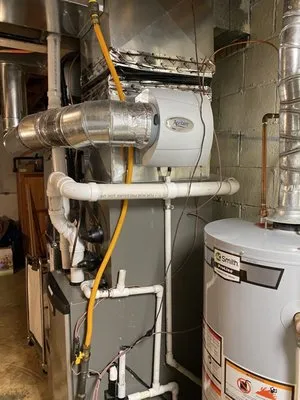
White Heating has been Pittsburgh's trusted family-owned HVAC provider since 1954, specializing in heating, cooling, and air quality solutions. As a Premier Lennox Dealer with over 30 years of experie...
Woodruff And Smith
Woodruff And Smith is a trusted Pittsburgh-area HVAC and plumbing company with over 35 years of experience serving residential and light commercial customers. Founded in 1988 by two skilled profession...
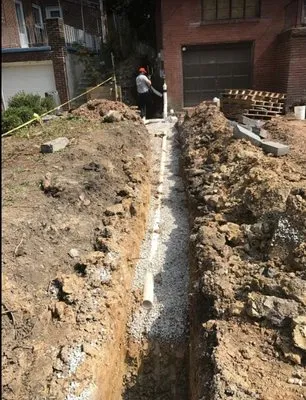
Restano Heating, Cooling & Plumbing
For over 35 years, Restano Heating, Cooling & Plumbing has been a cornerstone of home comfort in Pittsburgh and surrounding Allegheny County communities like Penn Hills, Plum, Monroeville, and Oakmont...
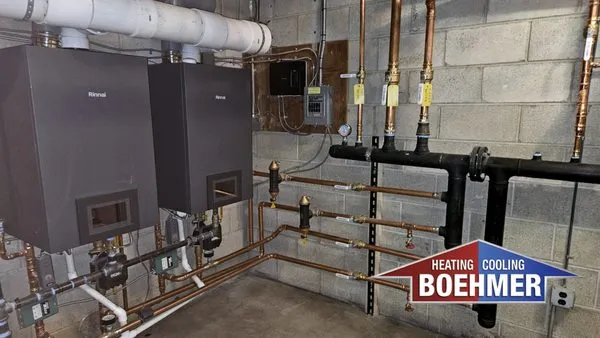
Boehmer Heating & Cooling has been providing reliable climate control solutions to Pittsburgh homeowners since 1933. As a family-owned and operated business, we focus on expert installation, repair, a...
Questions and Answers
What should I do if my air conditioner stops working on a hot day in Highland Park?
First, check your thermostat settings and the circuit breaker. If those are correct, a compressor failure or refrigerant leak is possible. For a home near the Pittsburgh Zoo & Aquarium, our technicians can typically be dispatched from our service hub off I-376 within 15 to 25 minutes to diagnose the issue. We prioritize no-cool calls during high-load periods to prevent further strain on aging systems and restore comfort before humidity builds up indoors.
My Ecobee thermostat is showing an E1 alert. What does that mean?
An Ecobee E1 code indicates the thermostat is not detecting a call for cooling from your equipment. In Pittsburgh's humid climate, this often points to a safety lockout from a clogged condensate line—the water has tripped the float switch. It can also signal a failed control board or a low-voltage wiring issue. This alert allows for early intervention before a complete system failure on a high-demand day, preventing potential secondary damage from overflow.
What are the permit and safety rules for a new AC installation in 2026?
All installations in Pittsburgh require a permit from the Bureau of Building Inspection, which ensures compliance with current mechanical and electrical codes. For units using R-454B or other A2L refrigerants, which are mildly flammable, 2026 codes mandate specific leak detectors, service access, and equipment markings that differ from older practices. Hiring a licensed contractor familiar with these protocols is non-negotiable for safety, system longevity, and to validate your manufacturer's warranty and rebate submissions.
How old is my air conditioning system likely to be?
The average home in your Pittsburgh neighborhood was built around 1956. This means the original mechanical systems, including ductwork and unit pads, are now about 70 years old. An HVAC unit itself typically lasts 15-20 years. This age is the primary reason condensate line clogs are so common here; decades of rust and sediment from galvanized steel drain pans and lines restrict drainage, leading to shutdowns and water damage. A system's service history and component wear are more critical than its calendar age alone.
Should I consider switching from my gas furnace to a heat pump?
For many Pittsburgh homes, a dual-fuel or cold-climate heat pump system is now a viable primary heat source. Modern units maintain high efficiency down to 5°F, covering most of our winter. The economic case strengthens when you factor in the 4-7pm utility peak hours and the IRA rebates. A hybrid system that uses your existing gas furnace as backup during the coldest hours can optimize comfort and operating costs, leveraging the best attributes of both fuel types.
Can my home's filtration handle Pittsburgh's pollen and particulate matter?
Pittsburgh's May pollen peak and year-round PM2.5 risk demand a MERV-13 filter for effective capture. Your existing galvanized steel ductwork, common in mid-century homes, can often handle this upgrade, but it requires verification. A technician must measure static pressure to ensure the blower motor isn't overworked. If pressure is too high, duct modifications or a specialized media cabinet may be necessary to maintain airflow while achieving the target indoor air quality.
Why does my AC struggle on the hottest days of the year?
Pittsburgh's design temperature for cooling equipment is 87°F. On days that exceed this, which occur annually, any system will run continuously to maintain setpoint and may fall slightly short. Modern units using R-454B refrigerant are engineered for this, maintaining stable pressure and efficient heat transfer better than older R-410A systems in high ambient heat. Proper sizing via a Manual J load calculation ensures your unit is matched to your home's exact thermal characteristics, not just the square footage.
Is it worth replacing my old unit to meet the new 2026 efficiency standards?
Yes, the current federal minimum is 14.3 SEER2, a standard that modern systems significantly exceed. Upgrading from a 10 SEER unit to an 18 SEER2 model can reduce your cooling electricity use by nearly 40%. With Duquesne Light rates at 16 cents per kWh, annual savings are tangible. The active Inflation Reduction Act rebates, with caps up to $8,000 for qualified heat pump installations, substantially lower the net project cost and accelerate your return on investment.
