
Top Emergency HVAC Services in Washington, PA, 17214 | Compare & Call

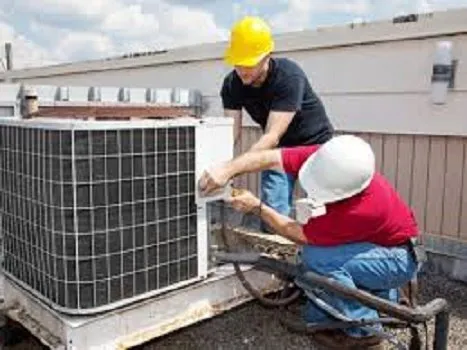
PA HVAC Services in Washington, PA is a locally-owned plumbing and HVAC company serving Washington County. Founded by Zsolt Csecsi, the business began in New York with small to medium-sized kitchen an...

ZC Willis Heating & Cooling is a Washington, PA-based HVAC business owned and operated by Zachary Charles Willis, a second-generation service professional with deep local roots. Zachary holds all thre...
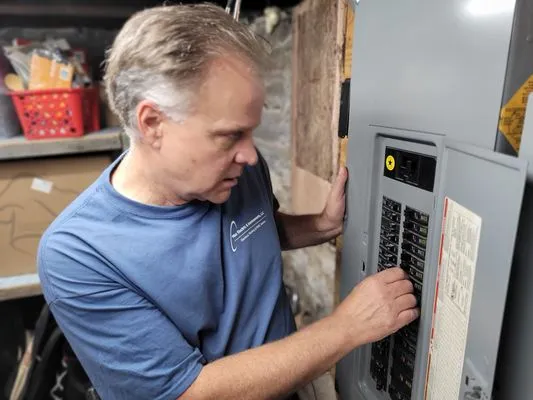
Max Electric & Improvements
Max Electric & Improvements is a trusted electrical, HVAC, and plumbing contractor serving Washington, PA and the greater Pittsburgh area. With over 40 years of hands-on experience, owner Mark Vester ...
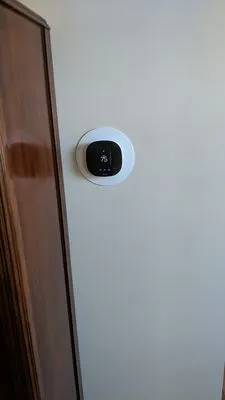
Shearer Heating & Air Conditioning
Shearer Heating & Air Conditioning has been a trusted HVAC provider in Washington, PA since 1948, when Richard 'Dick' Shearer and Eva Shearer founded the company with a small crew. Over decades, it ha...

McKean Plumbing & Heating
Founded in 1952 and formally incorporated by William McKean in 1956, McKean Plumbing & Heating is a cornerstone of Washington, PA. The business transitioned to the Hobbs family in 1967, with Marc Hobb...

McVehil Plumbing, Heating & Air Conditioning has been serving Washington, PA, and surrounding communities since 1909 as a family-owned business. We provide reliable plumbing, heating, and air conditio...
Kings Heating and Air Conditioning
Kings Heating and Air Conditioning is a trusted HVAC company serving Washington, PA, and the surrounding communities. We specialize in addressing common local HVAC issues that many homeowners face, su...
Bruno Plumbing & Heating
Bruno Plumbing & Heating is a trusted, family-owned company serving Washington, PA, and the surrounding communities since 1927. Founded by John B. Bruno, the business has been a cornerstone of local s...
Waldron Electric HVAC is a trusted, locally-owned electrical and HVAC service provider serving Washington, PA, and the surrounding communities. We specialize in comprehensive electrical inspections an...
Since 1996, TJ's Heating & Cooling has been a trusted, family-owned HVAC business in Washington, PA, founded by Tom and Shelia Jordan. Our foundation is built on good, honest relationships with our ne...
Q&A
Is replacing my old AC in 2026 worth it with the new efficiency rules?
The 2026 federal minimum is now 14.3 SEER2, a significant jump from older units often rated below 10 SEER. At Washington's average rate of $0.145 per kWh, a modern 16+ SEER2 system can cut cooling costs by over 30%. Pairing this with the active HEEHRA rebate, which offers up to $8,000 for qualified upgrades, makes the investment financially practical with a strong payback period.
Should I consider switching from my gas furnace to a heat pump in Washington?
With winter lows around 20°F, modern cold-climate heat pumps are a viable primary heat source. The economics depend on your gas versus electric rate and the system's COP during utility peak hours from 2 PM to 7 PM. The Inflation Reduction Act rebates significantly offset the upfront cost. For many homes, a hybrid system that uses the heat pump for moderate weather and gas as a backup for extreme cold offers the optimal balance of comfort and operating cost.
Why does my AC struggle to keep up on the hottest summer afternoons?
Washington's design temperature for HVAC systems is 88°F, but summer peaks can exceed this by 10 degrees or more. When outdoor temperatures climb above the design limit, the system's capacity drops and it must run continuously just to hold temperature. Modern units using R-454B refrigerant maintain better efficiency and capacity in these high-heat conditions compared to older R-22 systems, but no system is designed to cool infinitely beyond its rated point.
My air conditioner just stopped on a hot day near Washington Park—how fast can you get here?
A sudden no-cool situation requires a fast diagnosis, often a tripped safety switch or refrigerant loss. Our service vehicles are dispatched from near I-70, providing direct access to Downtown Washington. For a call from the park area, a technician typically arrives within 8 to 12 minutes to restore cooling and prevent further stress on the system.
My Ecobee thermostat is showing an 'E1' alert—what does that mean here?
An Ecobee E1 code signals the thermostat has lost communication with the HVAC equipment. In Washington, this is often traced to a condensate drain line blockage triggering a safety float switch, which cuts power to the control board. It can also indicate a failing transformer or a wiring issue exacerbated by the temperature swings in our humid continental climate. This alert prevents compressor damage and requires a technician to clear the blockage and reset the system.
What are the permit and safety rules for a new AC installation in 2026?
All HVAC installations in Washington require a permit from the City of Washington Building Codes Department. Since January 2023, new residential systems must use A2L refrigerants like R-454B, which are mildly flammable. This mandates specific safety standards: leak detection sensors must be installed in the indoor unit, and the area requires proper ventilation labeling. Using a licensed contractor ensures these 2026 codes are met for system safety and legality.
Why do HVAC systems in older Washington homes have so many drain line clogs?
A system installed around 1960 is now over 65 years old. In a humid continental climate, the condensate drain line runs constantly during cooling, collecting algae and mineral scale. Galvanized steel ducts can also shed microscopic rust particles that contribute to the blockage. This age-related wear makes annual drain line cleaning a key maintenance task for reliable operation.
Can my home's duct system handle a high-efficiency filter for pollen and PM2.5?
MERV-13 filters are excellent for capturing May pollen peaks and fine particulate matter (PM2.5), common local air quality hazards. However, the original galvanized steel ductwork in many 1960s-era Washington homes was not designed for such high static pressure. A technician must measure your system's static pressure and air flow; often, sealing leaky ducts or modifying the return is necessary to avoid straining the blower motor.
