
Top Emergency HVAC Services in Charleston, SC, 29401 | Compare & Call

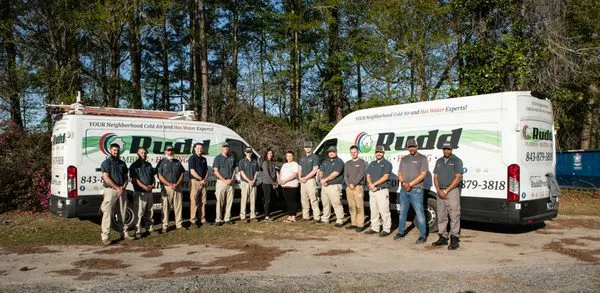
Rudd Plumbing Heating and Air
Rudd Plumbing, Heating and Air is a truly local Charleston company, owned and operated by a dedicated management team who have called this area home for decades. General Manager Robert Hodges, a Colle...
Holy City Heating & Air
Holy City Heating & Air is a locally owned and operated HVAC and plumbing company serving Charleston and the surrounding Lowcountry. Founded in 2015 by James Island native Tom Harvey and his wife Jenn...
Proctor Mechanical
For over 15 years, Proctor Mechanical has been the trusted local choice for reliable heating and air conditioning service in the Charleston area. We are a fully licensed South Carolina contractor spec...
Carolina Climate Control
Carolina Climate Control is a locally owned Charleston company, established in 2014, dedicated to providing reliable heating, cooling, and plumbing services. Our team of NATE-certified technicians is ...
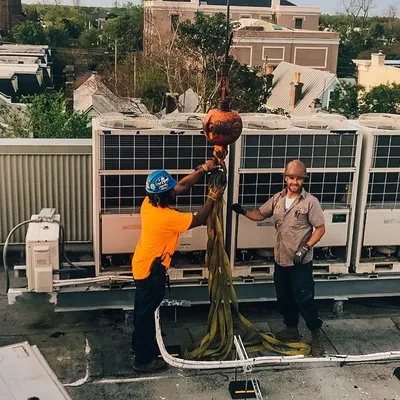
Morelli Heating & Air Conditioning
As a family-owned HVAC specialist serving Charleston since 1981, Morelli Heating & Air Conditioning brings over four decades of local expertise to every job. Founded by Jim and Tony Morelli, the compa...

Anchor Heating and Air is a locally owned and operated HVAC provider dedicated to serving Charleston and the broader Lowcountry. With a team that brings over 30 years of combined experience, we specia...
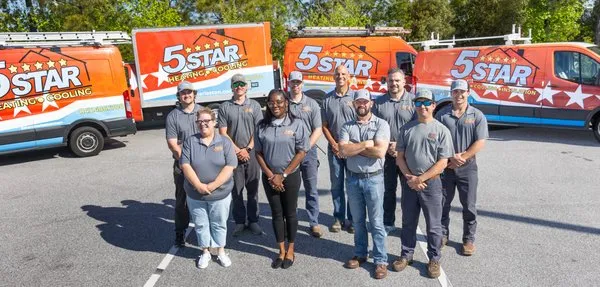
Five Star Charleston Heating and Air
Five Star Charleston Heating and Air is a locally owned and licensed HVAC provider dedicated to serving the Lowcountry. We focus on delivering lasting solutions for your home's heating, cooling, and a...
Primetime Heating & Air is a trusted, locally-owned HVAC service provider serving Charleston and the surrounding communities. Our team consists of certified, licensed, and highly experienced technicia...
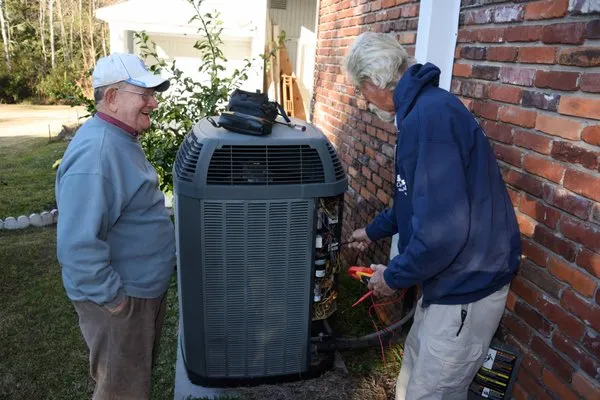
Smoak's Comfort Control
Smoak's Comfort Control is a family-owned and operated HVAC and plumbing company that has been a trusted fixture in the Charleston, SC community since 1972. For over five decades, our team of professi...

Myatt Air Conditioning & Heating Specialist
Myatt Air Conditioning & Heating Specialist is a trusted, family-owned HVAC contractor serving the Charleston community for over 28 years. As a dedicated Bryant dealer, we provide reliable heating and...
Questions and Answers
What does the new SEER2 rating mean for my upgrade, and are there rebates?
As of 2026, new systems must meet a minimum 14.3 SEER2 rating, a stricter measure of real-world efficiency. A modern 3-ton system at 16+ SEER2 can reduce your cooling costs significantly against Charleston's 13-cent per kWh rate. The federal Inflation Reduction Act provides rebates with an $8,000 cap for qualified heat pump installations, and Dominion Energy SC offers an additional $300 HVAC Efficiency Rebate, making high-efficiency upgrades more accessible.
My Ecobee thermostat is showing an E160 alert. What does that mean?
An Ecobee E160 alert signals the thermostat has lost communication with the outdoor unit. In Charleston, this is commonly caused by salt-air corrosion damaging the low-voltage control wiring or a compromised connection at the condenser. It can also indicate a failed control board. This alert allows for proactive service before a complete system failure occurs, especially important ahead of a hot weekend.
Can my home's duct system handle better air filters for our pollen and ozone?
Indoor air quality is critical with April pollen peaks and summer ozone risk. Your existing insulated flex duct can typically support a MERV-13 filter, which captures fine particulates and allergens. However, installing one without a static pressure check is not advised; an older blower motor may struggle, reducing airflow and efficiency. A technician should measure static pressure to ensure the filter upgrade won't strain the system.
How old is my system, and why does it need replacement now?
A 1993 home likely has its original system, making it 33 years old in 2026. A unit this age operates below current efficiency standards and is often near the end of its service life. In Charleston, this age coincides with the primary failure point of salt-air induced corrosion on the condenser coils, especially for properties near The Battery. Corrosion degrades heat transfer, leading to higher energy bills and eventual compressor failure.
What are the permit and safety rules for a new AC installation in 2026?
All HVAC replacements in Charleston require a permit from the City of Charleston Building Inspections Division. Since 2025, new systems predominantly use A2L refrigerants like R-454B, which are mildly flammable. Installations must now comply with updated safety codes (like IECC 2024 and NFPA 70) requiring leak detectors, revised pipe sizing, and specific labeling. Using a licensed contractor ensures compliance with these 2026 standards for safety and system performance.
My air conditioner stopped on a hot day. How fast can a technician get to my home in Downtown Charleston?
A no-cool call is an immediate priority. From our central dispatch, a technician can be at your home in the downtown area within 15-25 minutes. Routing from I-26 directly into the historic district allows for predictable travel times, even with congestion. We aim to have a technician on-site to diagnose the issue, often a tripped breaker or failed capacitor, before the peak afternoon heat sets in.
Should I switch from my gas furnace to a heat pump in Charleston?
Given Charleston's mild winter lows and expensive 1-7 PM utility peak hours, a heat pump is a viable primary heating source. Modern cold-climate heat pumps operate efficiently in our climate, providing both heating and cooling. The significant federal rebates for heat pumps under the IRA improve the economics. For backup during extreme cold snaps, a dual-fuel system pairing a heat pump with your existing gas furnace offers optimal efficiency and reliability.
Why does my AC struggle on the hottest days above 95 degrees?
HVAC systems are engineered to a specific design temperature, which for Charleston is 92°F. When outdoor temperatures exceed this, as they often do, the system must run continuously to maintain setpoint, reducing its capacity to dehumidify. Modern systems using R-454B refrigerant maintain better performance and efficiency in these high-heat conditions compared to older R-410A units, but no system can overcome its design limit.
