
Top Emergency HVAC Services in Roebuck, SC, 29306 | Compare & Call

Upstate Home Maintenance Services
Based in Roebuck, Upstate Home Maintenance Services is your local HVAC specialist. For over 15 years, this locally owned and operated company has been providing reliable heating and air conditioning s...

Founded by certified technician Aaron Courier, A A Courier & Sons is a family-owned HVAC company serving the Upstate of South Carolina, including Roebuck, with over 23 years of hands-on experience. We...

Professional Heating & Cooling is your trusted local HVAC expert serving Roebuck, SC, and the surrounding communities. We understand the specific challenges Spartanburg County homeowners face, such as...
Greer Services is a trusted heating and air conditioning (HVAC) company serving Roebuck, SC, and the surrounding areas. We specialize in comprehensive HVAC solutions to keep your home comfortable year...
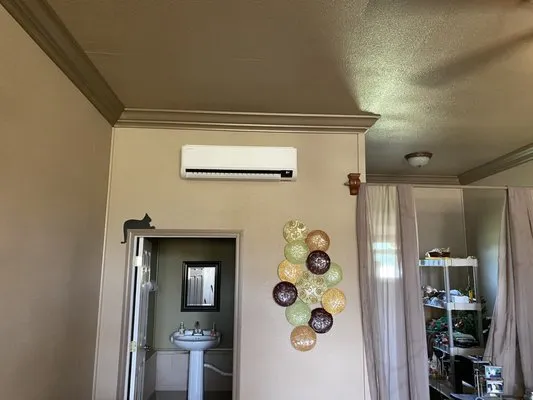
Mini-Split Specialist is your local expert in Roebuck, SC, dedicated exclusively to ductless heating and cooling systems. We focus on providing reliable design, installation, and repair services for b...
Morris Heating & Air is your trusted, local HVAC expert serving Roebuck, SC, and the surrounding communities. We understand the common challenges homeowners face with their systems, especially during ...

Pamlico Mechanical is a family-owned and operated HVAC company serving Roebuck, SC, and the surrounding area with 15 years of experience. We specialize in repairing, installing, replacing, and maintai...
FAQs
What permits and safety standards apply to new HVAC installations in Roebuck?
All HVAC installations in Spartanburg County require permits from the Spartanburg County Building Codes Department, with specific 2026 requirements for A2L refrigerants like R-454B. New standards mandate leak detection systems, service valve positioning, and equipment room signage for mild flammability refrigerants. Installations must demonstrate proper charge measurement and system evacuation to 500 microns or less. These protocols ensure safe operation while maintaining system efficiency and refrigerant containment in Roebuck's residential applications.
What does an Ecobee E1 error signal indicate for my Roebuck HVAC system?
An Ecobee E1 alert specifically indicates the thermostat has lost communication with your HVAC equipment for over 5 minutes. In Roebuck installations, this often results from power fluctuations common during afternoon thunderstorms or compressor startup surges. The error triggers before complete system failure, allowing proactive service scheduling. Technicians typically check control board connections, transformer output, and thermostat wiring integrity when responding to these alerts in Spartanburg County homes.
What happens if my AC stops working during a Roebuck Village heatwave?
A no-cool emergency in Roebuck Village typically receives technician dispatch within 10-15 minutes from local service centers near I-26. Our teams route through the Roebuck Elementary School area to reach most neighborhood addresses efficiently. We prioritize these calls during peak cooling hours to prevent indoor temperature spikes that can affect vulnerable residents. The proximity to major transportation corridors ensures rapid response even during typical Spartanburg County traffic patterns.
How well do modern refrigerants handle Roebuck's summer temperatures?
Roebuck's 92°F design temperature represents the 1% extreme condition systems must handle, though actual temperatures occasionally reach higher. R-454B refrigerant maintains stable performance up to approximately 115°F ambient, providing adequate capacity margin for local conditions. This A2L refrigerant offers slightly better heat transfer efficiency than previous options in high humidity environments. Properly sized systems using R-454B should maintain comfortable indoor temperatures even during the hottest Spartanburg County afternoons without excessive cycling.
Why do older HVAC systems in Roebuck homes seem to have more condensate drain problems?
Roebuck homes built around 1986 now have HVAC systems approaching 40 years old. Flexible insulated ducting from that era often develops micro-tears at connections, allowing humid air infiltration that accelerates algae growth in drain lines. The humid climate profile creates ideal conditions for this biological buildup, leading to frequent clogs that can cause water damage or system shutdowns. Regular drain line maintenance becomes critical for these aging systems to prevent emergency service calls.
How do the new 2026 SEER2 requirements affect my electricity bills in Spartanburg County?
The 14.3 SEER2 minimum for 2026 represents about a 15% efficiency improvement over previous standards for Roebuck's 92°F design conditions. At Duke Energy's current $0.13/kWh rate, upgrading from a 10 SEER system to a 16 SEER2 unit saves approximately $300 annually on cooling costs. The Inflation Reduction Act's $8,000 rebate cap makes this upgrade economically viable, with payback periods often under 5 years when combining federal incentives with Duke Energy's $300 Smart $aver rebate.
Can my home's duct system handle better air filters for Roebuck's ozone and pollen issues?
Flexible insulated ducting in Roebuck homes requires careful evaluation before installing MERV-13 filters. While these filters effectively capture April's pollen peak and mitigate ozone-related particulates, they increase static pressure by 0.2-0.4 inches water column. Many 1980s systems with original ductwork operate near maximum static pressure limits already. A professional should measure your system's static pressure and assess duct integrity before upgrading filtration to avoid reduced airflow or compressor damage.
When should Roebuck homeowners consider switching from electric resistance heat to heat pumps?
Roebuck's winter conditions with occasional freezing temperatures make dual-fuel or cold-climate heat pumps practical alternatives to electric resistance heating. The 14:00-19:00 utility peak hours coincide with evening temperature drops when heat pumps operate most efficiently compared to resistance heaters. Modern units maintain heating capacity down to 5°F outdoor temperatures, covering most local winter conditions. Transitioning during system replacement allows homeowners to leverage IRA rebates while reducing operating costs during Duke Energy's highest rate periods.
