
Top Emergency HVAC Services in Rapid City, SD, 57701 | Compare & Call

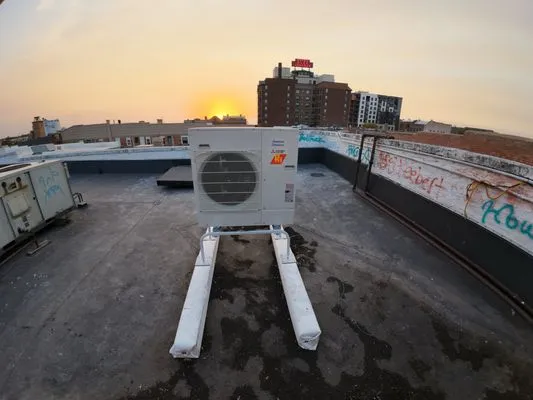
Rapid Air Solutions is your local HVAC expert in Rapid City, South Dakota, dedicated to ensuring your home or business stays comfortable and efficient year-round. We specialize in professional install...
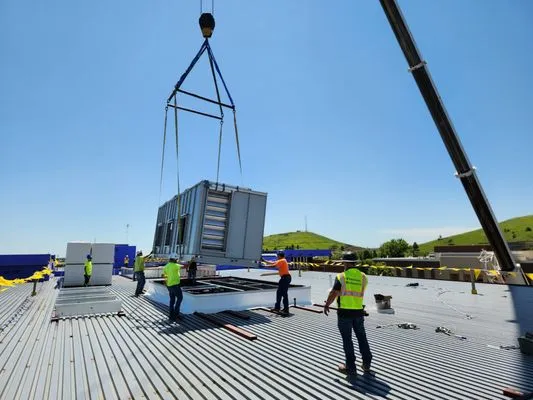
Precision Mechanical
Precision Mechanical has been a trusted HVAC and metal fabrication partner for Rapid City and the surrounding Black Hills area since 2006. Founded on a deep well of engineering expertise, the company ...
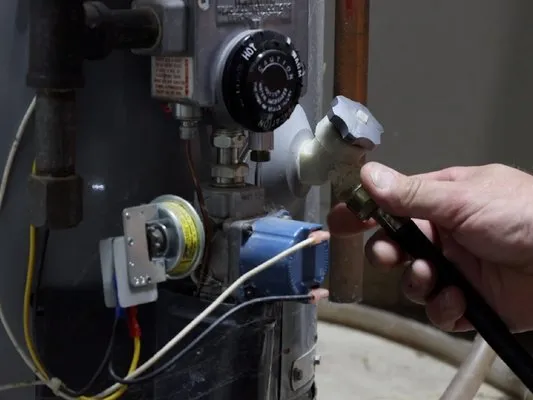
Midwestern Mechanical
Midwestern Mechanical has been a trusted name in the Rapid City area since 2010, bringing decades of expertise from our original founding in 1983. As a 100% employee-owned company, our team has a dire...

Anderson Heating & Air Conditioning
Anderson Heating & Air Conditioning has been the trusted name for Rapid City home comfort since 1989. For over 35 years, we have specialized in residential and small commercial HVAC services, building...
Ebelution, a trusted family-owned HVAC business in Rapid City, has been providing reliable heating and cooling solutions since 2015. With over 13 years of combined industry expertise, we specialize in...
Action Mechanical is a trusted plumbing, heating, and air conditioning (HVAC) company serving Rapid City, SD, and the surrounding Black Hills area. With years of local experience, we specialize in com...
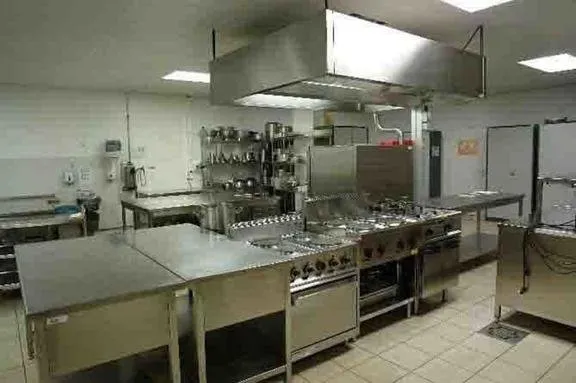
D & R Service, Inc. has been the trusted HVAC and refrigeration expert for Rapid City and the Black Hills since 1972. Our bonded, certified, and insured technicians provide reliable heating, air condi...
K & D Appliance Service
K & D Appliance Service is a family-operated business proudly serving Rapid City and the Black Hills area for over 24 years. Our licensed and insured technicians are trained to handle repairs and inst...
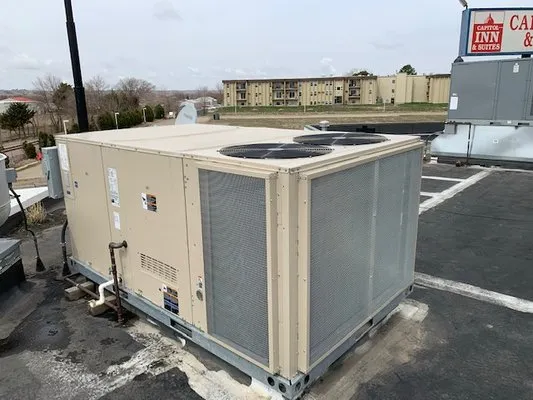
Al Cornella Refrigeration Service
For over 45 years, Al Cornella Refrigeration Service has been a trusted name in Rapid City's HVAC and commercial refrigeration sector. This family-owned business provides expert installation, repair, ...
James Air Heating & Air Conditioning
For over 34 years, James Air Heating & Air Conditioning has been the trusted name for HVAC comfort in Rapid City, SD. Our locally owned and operated team understands the unique climate challenges of t...
Q&A
What does the new 14.3 SEER2 minimum efficiency standard mean for my utility bill?
The 14.3 SEER2 mandate, effective in 2026, ensures new systems use at least 15% less energy than older models. With Rapid City's average rate of $0.11 per kWh, this directly lowers operating costs. The federal Inflation Reduction Act rebate, with an $8,000 cap, can cover a significant portion of the upgrade cost to a high-efficiency unit, making the payback period on your investment notably shorter.
What should we verify about permits and safety for a new system using the latest R-454B refrigerant?
All HVAC replacements in Rapid City require a permit from the Building Services Division. For systems using A2L refrigerants like R-454B, which are mildly flammable, 2026 codes mandate specific safety measures. These include updated airflow switches, leak detectors installed in the indoor unit, and service valves that require specialized tools. Your installer must be EPA Section 608 certified for A2Ls and follow the manufacturer's exact clearance specifications for the outdoor unit to ensure a safe, code-compliant installation.
Our air conditioner is original to our 1979 Rapid City home. Is it time to replace it?
Yes. A system from 1979 is approximately 47 years old, far exceeding the typical 15-year service life. Units of this age in Rapid City are particularly prone to frozen evaporator coils due to our extreme temperature swings between day and night. The constant expansion and contraction of old copper tubing, combined with outdated refrigerant and worn components, creates a high failure risk, especially during May's pollen peak when the coil is under extra strain.
Can our older sheet metal ductwork handle a high-efficiency air filter for wildfire smoke and spring pollen?
Your existing galvanized sheet metal ducts are structurally sound, but their design may not support a high-static-pressure filter like MERV-13 without modification. Installing such a filter in a restrictive older system can severely reduce airflow, causing the evaporator coil to freeze. A proper assessment of your system's static pressure is required first; we often recommend a dedicated air scrubber or a 4- to 5-inch media filter cabinet to improve air quality without compromising your HVAC's operation.
Our AC stopped cooling this afternoon in South Canyon. Can you get here before the house gets too hot?
Absolutely. From our service center near Main Street Square, we are just off I-90. This provides direct access to South Canyon neighborhoods, allowing for a consistent 10 to 15-minute dispatch time for a no-cool emergency. We will prioritize your call to diagnose common rapid failures like a tripped circuit breaker or a failed capacitor before the peak heat of the day.
Why does our AC struggle to keep the house below 78°F when it's only 95°F outside?
Rapid City's design temperature for HVAC systems is 91°F. When ambient temperatures exceed this engineered limit, as they often do in summer, the system loses its capacity to maintain a standard 20-degree delta T. Modern systems using R-454B refrigerant are designed with a higher glide factor, which helps maintain better efficiency and capacity in these above-design conditions compared to the older R-22 units common in homes from the 1970s.
Our Ecobee thermostat is showing an 'E1' alert. What does this mean for our system?
An Ecobee E1 error code indicates the thermostat is not detecting a call for cooling from your HVAC equipment. In Rapid City, this often points to a safety lockout on the outdoor unit due to a prior fault, such as high pressure from a dirty condenser coil during a 95°F day or a low-pressure switch trip from a refrigerant leak. It's a protective signal to prevent compressor damage. The first step is to check the condenser for debris and verify the circuit breaker, as our wide temperature swings can exacerbate electrical connection issues.
We use gas heat now. Is switching to a heat pump a practical choice for Rapid City's cold winters?
Modern cold-climate heat pumps are a viable primary heat source for our area, operating efficiently down to near 0°F. The economics depend on Black Hills Energy's gas versus electricity rates and the 4 PM to 8 PM peak hours for power. For a home with existing gas, a dual-fuel system that uses the heat pump as the primary source and the gas furnace as backup during extreme cold and peak pricing periods often provides the optimal balance of comfort and operating cost.
