
Top Emergency HVAC Services in Harrison, TN, 37341 | Compare & Call

There are 146 hvac companies server in Harrison TN
At Airfficiency in Ooltewah, TN, I'm Jesus, your local HVAC and duct cleaning specialist. My journey as an immigrant instilled a deep appreciation for hard work and building trust within our community...
HEP is on the way
HEP Services is a family-owned and operated home maintenance company serving Knoxville and East Tennessee since 2002. Founded with a commitment to quality service and employee care, HEP has grown from...

Honest A/C was founded in 2022 by Tony and Kaitlyn Cloney with a clear mission: to provide straightforward heating and cooling service, not sales. Tony's 15-year background in commercial HVAC and refr...

Giles Heating & Air
Giles Heating & Air has been a trusted name for HVAC and water heater services in Athens and across Southeast Tennessee since 2005. As a licensed provider and authorized Coleman® dealer, we specialize...
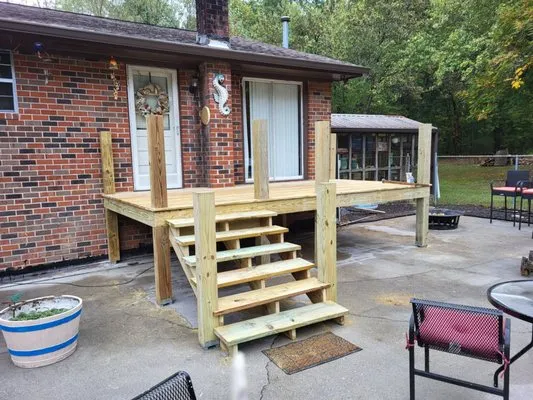
Johnson Home Improvement An Mechanical
Johnson Home Improvement & Mechanical is a trusted, locally-owned contractor serving Athens, TN, and the surrounding McMinn County area. We are a fully licensed, bonded, and insured team specializing ...
Lattatude Refrigeration
Lattatude Refrigeration is your trusted, local HVAC and appliance repair expert serving Dandridge, TN, and the surrounding areas. We specialize in professional appliance repair, HVAC system installati...
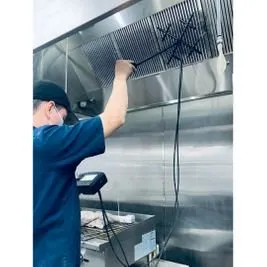
MLC Testing Air Balancing is a Knoxville-based HVAC service provider specializing in professional air balancing and commercial kitchen diagnostics. We focus on ensuring proper air distribution in resi...

Lee Company
Founded in 1944 by Leon Lee, Lee Company remains a family-owned, Chattanooga-area business dedicated to simplifying home and facility care. For decades, we've built our reputation on trust and compreh...
Bill Owens Heating & Air Conditioning
Founded in 1979, Bill Owens Heating & Air Conditioning is a family-owned and operated Chattanooga staple, serving the greater Hamilton County area with reliable HVAC solutions. The company is led by B...
Malone Heat & Air
Malone Heat & Air has been the trusted name for heating and cooling in Chattanooga and North Georgia since 1980. As a family-owned and operated business, we specialize in comprehensive residential and...
Estimated HVAC Service Costs in Harrison, TN
Question Answers
What does an Ecobee E164 alert mean for my Harrison home?
The Ecobee E164 code specifically indicates a communication failure between the thermostat and HVAC equipment. In Harrison's humid climate, this often results from condensation affecting electrical connections or control board corrosion. This alert allows for proactive repair before complete system failure occurs. Addressing E164 codes promptly prevents emergency no-cool situations during peak summer conditions. The diagnostic capability saves both repair costs and discomfort by identifying issues early.
Should I consider switching from electric heat to a heat pump?
Heat pumps offer significant advantages for Harrison homes currently using electric resistance heat. During utility peak hours from 14:00-18:00, heat pumps operate 2-3 times more efficiently than conventional electric heat. Modern cold-climate heat pumps maintain heating capacity down to 5°F, covering most Harrison winter conditions. The combination of EPB's $500 rebate and federal incentives makes this transition economically favorable, especially when replacing aging equipment.
Can my home's ductwork handle better air filtration?
Fiberboard and flex duct systems common in Harrison homes present static pressure challenges for high-MERV filters. While MERV-13 filtration effectively captures April pollen peaks and reduces ozone-related particulates, it requires careful system evaluation. A technician should measure existing static pressure before upgrading filtration. Many older duct systems need sealing or modification to accommodate MERV-13 without reducing airflow or causing premature blower motor failure.
How does Harrison's summer heat affect air conditioning performance?
Harrison's design temperature of 92°F represents the peak condition HVAC systems are engineered to handle. When actual temperatures approach this limit, systems operate continuously at maximum capacity. R-454B refrigerant maintains stable pressure-temperature relationships better than older refrigerants in these conditions. Properly sized systems with adequate airflow continue providing comfort, while undersized units struggle to maintain temperature differentials during extended heat periods.
What if my air conditioning stops working during a Harrison Bay heatwave?
A no-cool emergency requires immediate attention to prevent indoor temperatures from rising dangerously. Technicians based near Harrison Bay State Park can reach most Harrison Bay homes via TN-58 within 15-25 minutes. This response time allows for same-day diagnosis and repair before humidity builds up inside your home. Quick intervention prevents secondary damage to electronics and preserves indoor air quality.
Why do so many Harrison homes have air conditioning problems?
The average Harrison home was built in 1979, making most HVAC systems 47 years old. Fiberboard and flex ductwork from that era degrades over time, losing insulation value and developing air leaks. Condensate drain lines in these older systems frequently clog due to mineral buildup from decades of humid operation. Regular maintenance becomes critical at this age to prevent complete system failure.
What regulations apply to new air conditioning installations?
All Harrison HVAC installations require permits from the Hamilton County Building Inspection Department. The 2026 standards mandate specific safety protocols for R-454B refrigerant, which is mildly flammable (A2L classification). Technicians must complete EPA Section 608 certification for A2L refrigerants and install leak detection systems in equipment rooms. These regulations ensure safe operation while allowing the environmental benefits of next-generation refrigerants. Proper documentation is essential for rebate qualification and future service.
How do the new 2026 efficiency standards affect my utility bills?
The 14.3 SEER2 minimum requirement represents a 15% efficiency improvement over previous standards. At Harrison's 0.11/kWh rate, a properly sized 3-ton system meeting SEER2 standards saves approximately $180 annually compared to older units. The Inflation Reduction Act provides up to $8,000 in rebates for qualifying installations, making high-efficiency systems financially accessible. These combined savings typically offset the premium for compliant equipment within 3-5 years.
