
Top Emergency HVAC Services in Austin, TX, 73301 | Compare & Call

Goettl Air Conditioning and Plumbing
Goettl Air Conditioning and Plumbing brings a deep-rooted Texas legacy to Austin homeowners. Founded on a foundation of exceptional craftsmanship and customer care by Coy Dayton, who earned his Master...
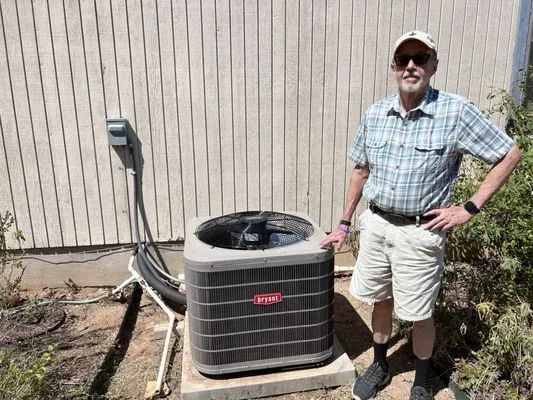
Hi, I'm John Tran, owner of Apex Heating & Air Conditioning in Austin. As a local family-owned business, we've built our reputation on providing reliable HVAC services with a personal touch. I find re...
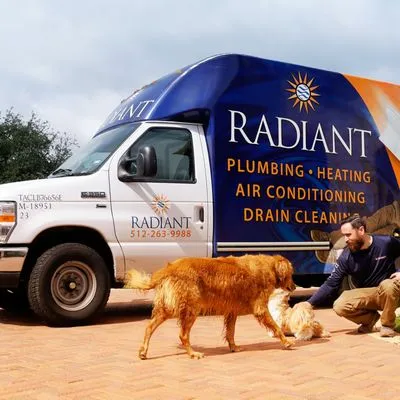
Radiant Plumbing & Air Conditioning - Austin
Radiant Plumbing & Air Conditioning has been a trusted Austin name since 1999, founded and operated by Brad and Sarah Casebier. We're proud to be part of the local community, from our familiar radio s...
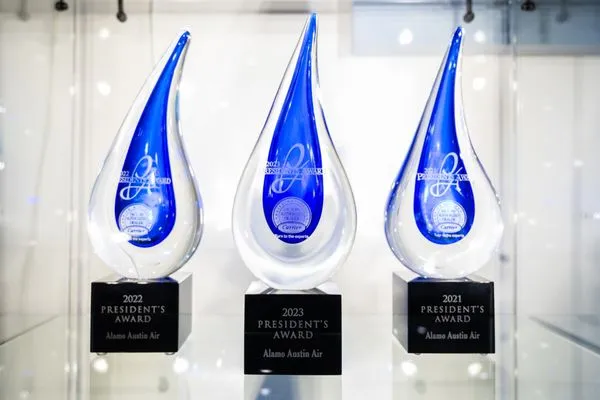
Alamo Austin Air Conditioning & Heating was founded in 2006 by Jason and Danielle Krieg, a local family with over 25 years of experience in the HVAC industry. Their guiding principle is simple: provid...

GREENTEK is a locally-owned and operated HVAC and appliance service company proudly serving Austin and the surrounding communities. Our journey began as a franchise, but we have since grown into an in...
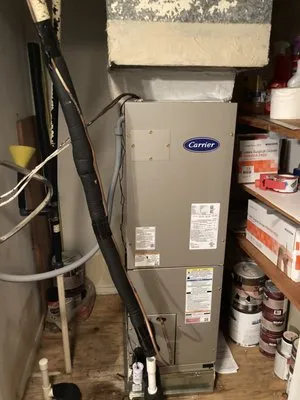
Eco Air Conditioning is a family-owned Austin HVAC company founded in 2011, bringing over 40 years of combined experience to every job. We specialize in residential and light commercial heating and ai...
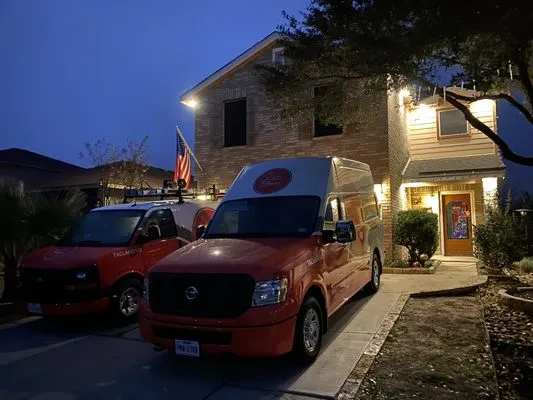
Austin Reliance Heating & A/C
Austin Reliance Heating & A/C is a locally owned and operated HVAC contractor serving the Austin community. Born and raised in Austin, owner Frank brings over 19 years of hands-on trade experience to ...
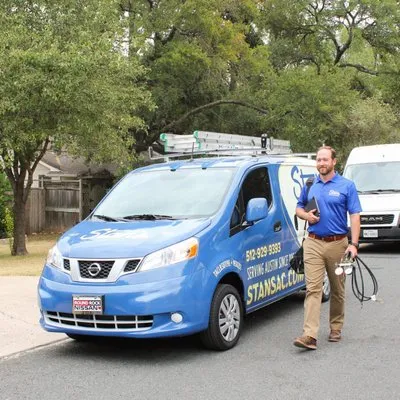
Stan's Heating, Air, Plumbing & Electrical
Stan's Heating, Air, Plumbing & Electrical has been a cornerstone of home comfort in Austin since 1954. Founded by Stan Johnson Sr., a local who honed his skills in carpentry and at a local AC company...
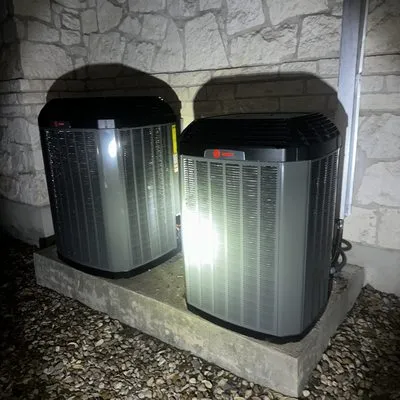
FrostyMist is an Austin-based HVAC provider with over two decades of hands-on experience, specializing in reliable residential and commercial service. Founded in 2020 by a technician with 22 years in ...

At Always Local Heating & Air Conditioning, we are your neighbors in Austin, dedicated to keeping your home comfortable through every season. Unlike large, out-of-state investment firms, we are a loca...
FAQs
What SEER2 rating should I consider for Austin's climate?
The 2026 federal minimum is 14.3 SEER2, but Austin homes benefit from higher efficiency models. At Austin Energy's 0.14/kWh rate, each SEER2 point above minimum typically saves 6-8% on cooling costs. The Inflation Reduction Act's HEEHRA rebates provide up to $8,000 for qualifying high-efficiency installations, making premium SEER2 systems financially accessible. Proper sizing through Manual J load calculations ensures these efficiency gains translate to actual utility bill reductions.
Can my home's filtration handle Austin's pollen and ozone?
Austin's March pollen peak and ozone risk require MERV-13 filtration to capture fine particulates and allergens. Flexible R-6 insulated ductwork typically handles MERV-13 filters if the system has adequate blower capacity and proper duct sizing. We measure static pressure before recommending upgrades, as excessive pressure drop can reduce airflow by 15-20%. Balanced filtration maintains indoor air quality without compromising system performance or energy efficiency.
Should I switch from gas heat to a heat pump in Austin?
Austin's winter lows rarely challenge modern heat pumps, which maintain efficiency down to 5°F. The 14:00-20:00 utility peak hours make heat pumps advantageous since they avoid natural gas price volatility. Dual-fuel systems that pair heat pumps with existing gas furnaces provide backup during extreme cold snaps while maximizing efficiency. HEEHRA rebates specifically support heat pump installations, making this transition economically favorable when combined with Austin Energy's additional incentives.
How old is my HVAC system likely to be in Austin?
The average Austin home was built in 1991, making typical HVAC units about 35 years old in 2026. Systems this age often operate with original components that have degraded from decades of thermal cycling. Capacitor failure due to extreme heat becomes common as electrolytic fluids dry out and capacitance values drift beyond tolerance. This aging effect is accelerated by Austin's 98°F design temperatures that push older systems beyond their original engineering limits.
What if my Hyde Park home loses cooling during a heatwave?
A no-cool emergency in Hyde Park requires immediate attention to prevent indoor temperatures from rising dangerously. Our technicians dispatch from near the Texas State Capitol and use I-35 access to reach most Hyde Park addresses within 15-25 minutes. We prioritize these calls because Austin's semi-humid climate can cause indoor humidity to spike above 60% within hours of compressor failure, creating mold risk and discomfort.
What permits and standards apply to new HVAC installations?
All Austin HVAC installations require permits from the City of Austin Development Services Department, with inspections verifying compliance with 2026 mechanical codes. R-454B refrigerant installations must follow specific A2L safety standards including leak detection systems and proper ventilation in equipment rooms. Technicians need EPA Section 608 certification for A2L refrigerants, which have different handling requirements than previous generations. These regulations ensure safe, efficient operation while maintaining indoor air quality standards.
How does Austin's heat affect HVAC performance?
Austin regularly experiences temperatures exceeding the 98°F design limit, creating a performance gap where systems must operate beyond their rated capacity. R-454B refrigerant, now standard in 2026, maintains better efficiency at high ambient temperatures compared to older refrigerants. This A2L refrigerant has a lower global warming potential while providing stable pressure-temperature relationships during Austin's extended heat periods. Proper system sizing accounts for this temperature differential to prevent short cycling and maintain comfort.
What does an Ecobee E1 alert mean for my Austin system?
An Ecobee E1 alert indicates the thermostat has lost communication with the HVAC equipment, often signaling power interruption or control board issues. In Austin, this frequently correlates with capacitor failure during extreme heat events when electrical demand spikes. The alert provides early warning before complete system failure occurs. Technicians use this diagnostic information to quickly identify whether the issue originates at the thermostat, control board, or power supply when responding to Hyde Park service calls.
