
Top Emergency HVAC Services in Bedford, TX, 76021 | Compare & Call

Just Right Air & Heat has been a trusted local HVAC provider in Bedford since 1997, with owner-operator expertise dating back to 1993. As a small, hands-on team, you'll typically be greeted by the own...
AC Near Me is your trusted local HVAC partner in Bedford, TX, specializing in keeping homes comfortable year-round. We understand the specific challenges Bedford residents face, from outdoor condenser...

Ashford Mechanical
Ashford Mechanical was founded in Bedford in 2018, but our roots run deeper, with 12 years of dedicated HVAC experience. Our journey began by serving local real estate investors, a background that ins...
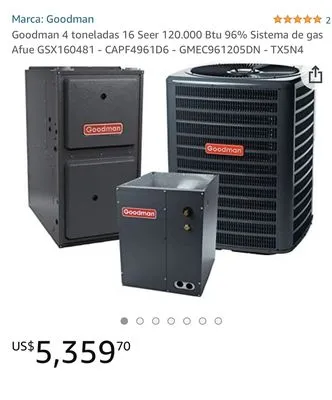
Guevara Service Ac Harter is a trusted Bedford-based HVAC contractor providing reliable heating and cooling solutions for local homes and businesses. Recognizing common area challenges like poor airfl...
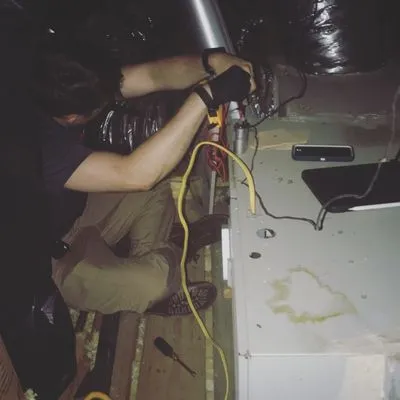
Freon's AC & Heating is a locally-owned HVAC company proudly serving the residents of Bedford, Euless, and Hurst. Our story began with a rescued blue heeler named Freon, who became a loyal companion o...

XD Contractors
Based in Bedford, TX, XD Contractors is your trusted local expert for a seamless home environment. We specialize in drywall installation, repair, and texturing, as well as full-service heating and air...
Your Favorite Handyman in Bedford, TX is a trusted local provider offering comprehensive handyman, HVAC, and plumbing services to homeowners throughout the Bedford area. We specialize in addressing co...
AC/DC HVAC & Appliance Repair
AC/DC HVAC & Appliance Repair is your local Bedford team, built on a foundation of extensive hands-on experience. What began as part of a larger crew evolved into Fuse DFW, a dedicated service focused...

Louis Zams Air Conditioning and Heating
Louis Zams Air Conditioning and Heating is a trusted HVAC service provider dedicated to keeping Bedford homes and businesses comfortable year-round. We understand the local climate's demands and speci...
M Hajduk is a trusted HVAC service provider serving Bedford, TX, and the surrounding area. We specialize in diagnosing and fixing the most common local cooling problems, such as poor airflow from vent...
Questions and Answers
My system runs constantly on hot days. Is it undersized?
Not necessarily. HVAC systems in Bedford are designed for a 99°F outdoor temperature, which is the local design temp. On days exceeding that, which happens, the system will run continuously to try to maintain setpoint—this is normal operation at its design limit. Modern units using R-454B refrigerant maintain better efficiency and capacity at these high temperatures compared to older R-22 systems, but they cannot overcome physics.
Should I switch from my gas furnace to a heat pump in Bedford?
Given Bedford's winter lows and Oncor's peak electricity rates from 1 PM to 7 PM, a dual-fuel system is often the optimal solution. This pairs a heat pump with your existing gas furnace. The heat pump handles heating during milder hours, while the furnace provides efficient, reliable heat during the coldest nights and peak rate periods. This configuration maximizes comfort and cost-efficiency through the seasonal transition.
Can my home's filtration handle Bedford's high pollen and ozone?
Bedford's April pollen peak and persistent ozone risk demand robust filtration. Many homes here have flexible R-6 insulated ductwork. While durable, this duct type can struggle with the static pressure of a MERV-13 filter. We recommend a professional static pressure test before upgrading; often, the solution is a 4-5 inch media cabinet that provides high MERV filtration without overtaxing the blower motor or duct system.
My Ecobee thermostat is showing an E1 error. What does that mean?
An Ecobee E1 alert indicates the thermostat has lost communication with your HVAC equipment. In Bedford, this is frequently caused by a system shutdown from a safety device, like a high-pressure switch triggered by a dirty condenser coil in extreme heat, or a failed control board. It's a signal to call for service, as the system has likely entered a lockout mode to prevent further damage from a fault condition.
What should I know about permits and the new refrigerants for a 2026 installation?
All HVAC replacements in Bedford require a permit from the City of Bedford Building Inspections Division. As of 2026, new systems predominantly use A2L refrigerants like R-454B, which are mildly flammable. The permit process ensures the installation complies with updated safety standards for these refrigerants, including required leak detection and clearance distances. This protects your home and validates the system's eligibility for utility and federal rebates.
Is it worth upgrading my old AC to meet the new 2026 efficiency standards?
The federal minimum SEER2 requirement is now 14.3, a significant jump from older units. At Bedford's average rate of $0.14 per kWh, a new high-efficiency system can cut cooling costs substantially. The active Inflation Reduction Act (HEEHRA) rebates, with caps up to $8,000, directly offset the upgrade cost. This combination of lower operating expense and upfront incentives makes replacement highly economical for 1980s-era homes.
My air conditioner stopped working on the hottest day of the year. How fast can you get here?
If you're in Central Bedford, our dispatch uses TX-183 for rapid access to the entire city. From our shop near the Bedford Public Library, we can typically be at your door within 5 to 10 minutes for an emergency no-cool call. This routing avoids the heaviest traffic, ensuring a technician arrives quickly to diagnose common issues like a failed capacitor or refrigerant leak.
Why do HVAC systems in Bedford seem to fail so often in summer?
The average Bedford home was built around 1983, making many original systems over 40 years old. At this age, critical components like capacitors have endured thousands of operational cycles. Capacitor failure due to extreme heat is the most common cause of a no-cool call in our climate. The component's electrolyte dries out, and the repeated thermal expansion and contraction from daily 99°F heat accelerates its decline.
