
Top Emergency HVAC Services in Cooper, TX, 75432 | Compare & Call

There are 15 hvac companies server in Cooper TX
All Systems Go HVAC-R is a veteran-owned heating and air conditioning business serving Wolfe City, TX, and the surrounding area. Founded on the principles of integrity, service, and commitment learned...
LoneStar HVAC Services is a Trenton, TX-based HVAC contractor focused on honest service and building lasting relationships with its neighbors. The company operates on a simple principle: show up to fi...
Efficient Atmosphere is your trusted HVAC specialist in Sulphur Springs, TX. We focus on restoring and maintaining your home's comfort through reliable system installation, repair, and maintenance. Ou...
Southern Air Service Co. is your local HVAC partner in Alba, TX, dedicated to keeping your home comfortable year-round. We are a family-owned and operated business that believes in providing honest, r...
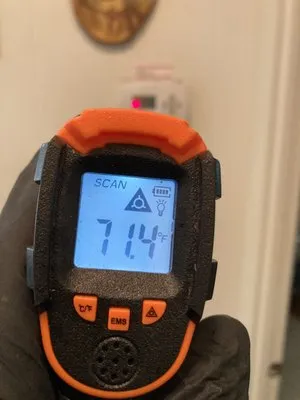
Park View Cooling is your trusted local HVAC partner in Bonham, TX, dedicated to keeping homes comfortable and efficient year-round. As a licensed service provider, we specialize in the installation, ...
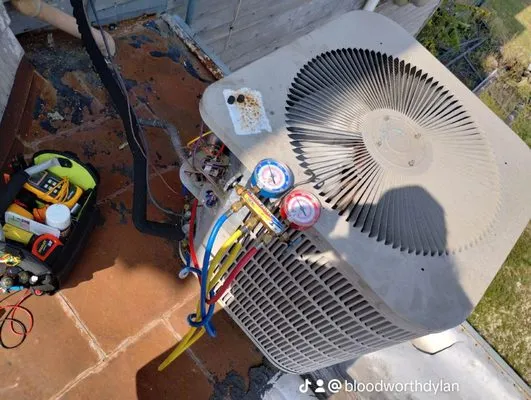
Based in Telephone, TX, Bloodworth Services is your trusted local expert for comprehensive home solutions. Specializing in heating & air conditioning, handyman tasks, and carpentry, they understand th...
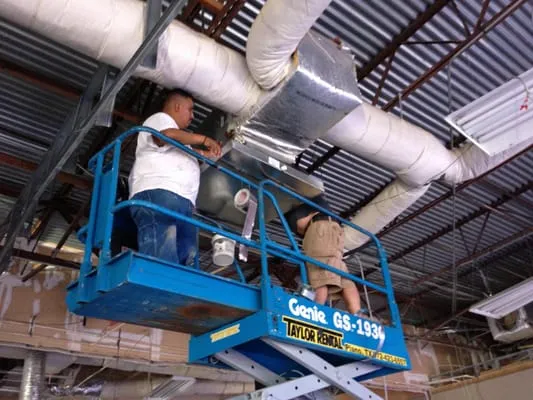
Burkham's AC and Heating has been a trusted family-owned HVAC provider in Canton, TX for over 17 years, bringing more than three decades of experience to every job. As local experts, we specialize in ...
Freon Heating and Air was established to provide honest and expert HVAC services to our Nevada community. Every repair and installation is guided by professionalism and a commitment to clear communica...
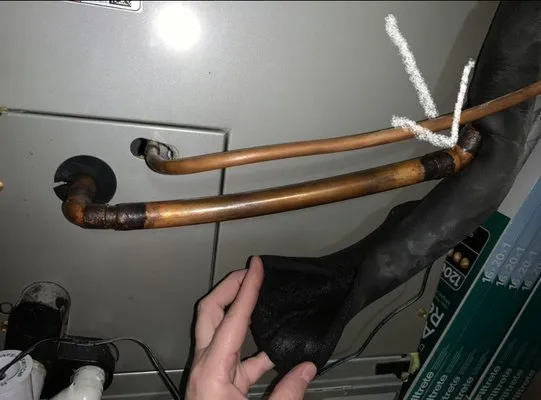
Economy A/C & Heating is a family-owned and operated HVAC company proudly serving Paris, TX, and over 300 zip codes across North and Northeast Texas. Founded in 1996 by Mike Waggoner, the business has...
Urgent Refrigeration & Air
Urgent Refrigeration & Air is your trusted local expert for HVAC and appliance services in Mount Pleasant, TX. We understand that homeowners here face specific challenges, like uneven cooling in large...
Estimated HVAC Service Costs in Cooper, TX
Q&A
My air conditioner stopped on a hot day in Downtown Cooper. How fast can a technician arrive?
A dispatcher can route a technician from a service call near the Delta County Courthouse directly to your home via TX-24. Given local traffic patterns, this typically results in a 5 to 10 minute response window for urgent no-cool calls. Technicians carry common replacement parts like capacitors and contactors on their trucks to facilitate a rapid, same-day repair for many common failures.
With electric heat, should I consider a heat pump for my Cooper home?
A modern heat pump is a direct replacement for an electric furnace, offering highly efficient cooling and heating. For our winter lows, a properly sized cold-climate heat pump is effective. To maximize savings, use a programmable thermostat to minimize operation during utility peak hours from 2 PM to 7 PM. The switch can significantly reduce your annual energy consumption for heating compared to standard electric resistance heat.
Our system is from the 70s. Is it still safe to run?
Systems from the 1960s and 70s average 58 years old, which exceeds the typical 15-20 year service life. In Cooper, the primary failure point is the run capacitor, which degrades under repeated summer heat stress. The electrical windings in the compressor and fan motors also become brittle with age, increasing the risk of a complete burnout. Continuing to operate such an old unit can lead to a sudden, costly failure, especially during peak cooling demand.
Can my older home's duct system handle a better air filter for ozone and pollen?
High-MERV filters, like a MERV-13 for capturing April pollen and particulate, increase static pressure. Your existing galvanized sheet metal with duct board is generally robust, but the added restriction can overwhelm an older blower motor. A technician should measure the system's static pressure before and after filter installation to ensure proper airflow and avoid straining the equipment, which can reduce cooling capacity and efficiency.
What are the permit and safety rules for a new AC installation in 2026?
All replacements require a permit from the City of Cooper Building Inspections Department. Since 2025, new systems must use lower-GWP A2L refrigerants like R-454B, which are mildly flammable. This mandates compliance with updated safety standards (UL 60335-2-40), requiring specific leak detectors, service access, and signage that technicians are now certified to handle. Proper permitting ensures the installation meets these 2026 codes for safety and efficiency.
My Ecobee thermostat is showing an E1 alert. What does that mean here?
An Ecobee E1 alert indicates the thermostat is not detecting a call for cooling or heating from your HVAC equipment. In Cooper, this often points to a control voltage issue, such as a blown 3-5 amp fuse on the air handler's control board or a failed safety switch. It can also signal a complete loss of 24-volt power from a tripped float switch due to a clogged condensate drain, a common issue in our humid climate.
What's the real benefit of a high-efficiency unit with the new 2026 standards?
The 2026 federal minimum standard is 14.3 SEER2, but modern systems can achieve 18 SEER2 or higher. At Cooper's average rate of $0.14 per kWh, the annual savings from a high-efficiency upgrade are significant. The active Inflation Reduction Act rebates, with a cap of $8,000 for qualified heat pump installations, can offset a major portion of the upfront cost, improving the payback period substantially.
Why does my AC struggle on the hottest afternoons when it's over 100 degrees?
Residential systems in Cooper are typically designed for a 98°F outdoor temperature. On days that exceed this, the system's capacity drops and the temperature differential (delta T) it can achieve shrinks. The newer R-454B refrigerant standard for 2026 offers slightly better high-temperature performance than older refrigerants, but no system can overcome a design limit exceeded by more than a few degrees for extended periods.
