
Top Emergency HVAC Services in Liberty Hill, TX, 78642 | Compare & Call

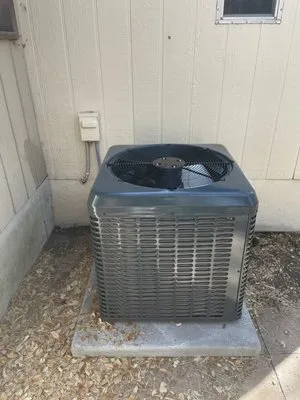
Liberty Air, LLC is your locally owned and operated HVAC partner in Liberty Hill and the surrounding Hill Country. Founded on the principles of fairness, friendliness, and honesty that define our comm...

Dean Co. Hvac & Appliance Repair
Dean Co. Hvac & Appliance Repair is your trusted local specialist in Liberty Hill, TX, providing comprehensive solutions for both your home comfort and major appliances. We understand the specific cha...
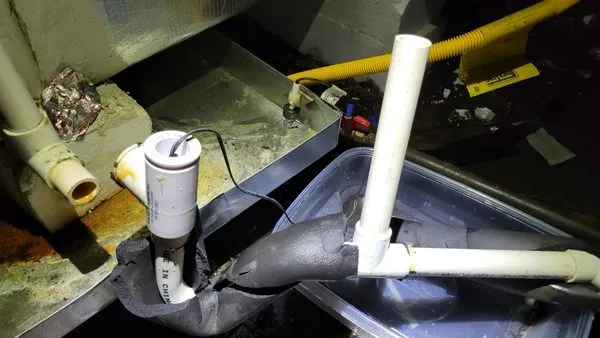
Covenant Air Conditioning and Heating
Covenant Air Conditioning and Heating is a family-owned HVAC company serving Liberty Hill, TX, since 2000. With over 20 years of experience, owner Michael Luker brings nearly three decades of industry...
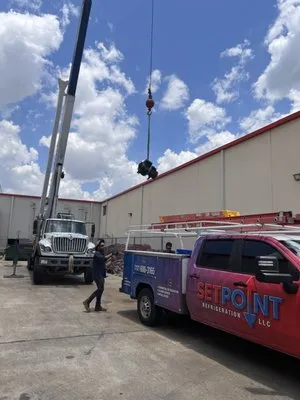
Setpoint Refrigeration LLC is a locally owned and operated HVAC and refrigeration service provider proudly serving Liberty Hill and the surrounding Austin suburbs. With over 25 years of industry exper...
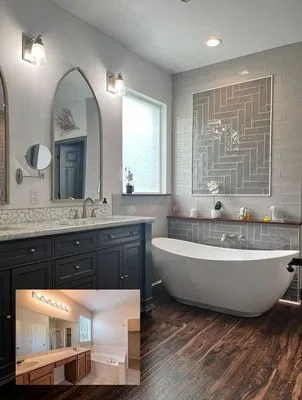
Poe Legacy Construction
Poe Legacy Construction is a veteran-owned and operated contracting company serving Liberty Hill and the Greater Austin area. We specialize in comprehensive residential construction, from full custom ...
American Home and Commercial Services
Since 1989, American Home and Commercial Services has been a trusted name for HVAC solutions in Liberty Hill and the greater Austin area. Our story began over three decades ago, and today, we're proud...

Texas Legacy Services
At Texas Legacy Services in Liberty Hill, TX, we build our reputation on good ol' fashioned honesty and outstanding service for your home comfort needs. Our factory-trained and background-checked tech...
Schneider Mechanical has been providing reliable HVAC services in the Liberty Hill area since 2009, when the current owner purchased the business to ensure customers receive the quality care they dese...

Central Heating & Air Conditioning
Terry Johnson has been the dedicated owner and sole service technician of Central Heating & Air Conditioning in Liberty Hill since founding the company in 1991. With 29 years of hands-on experience in...

Avatt Services is Liberty Hill's trusted HVAC specialist, dedicated to keeping local families comfortable year-round. We understand the stress of a broken AC during a Texas heatwave or a failing blowe...
Q&A
My Ecobee thermostat is showing an E4 alert. What does that mean for my unit?
An Ecobee E4 code indicates the thermostat has lost communication with the outdoor unit, often due to a safety lockout. In Liberty Hill, this frequently points to a high-pressure switch trip caused by a dirty condenser coil, low airflow from a clogged filter, or a failing capacitor during high ambient temperatures. It's a diagnostic signal to check these specific points before a complete compressor shutdown occurs.
Is the new 14.3 SEER2 minimum worth the upgrade cost with current electric rates?
The 2026 SEER2 standard ensures new systems operate with significantly lower electrical consumption. At the local rate of $0.14 per kWh, upgrading from a 12-year-old unit to a modern 16+ SEER2 system can reduce cooling costs by roughly 30-40%. The active Inflation Reduction Act rebates, with credits up to $8,000, directly offset this capital investment, improving the payback period.
Can we use better filters for the ozone and spring pollen here without hurting the system?
Enhanced filtration is advisable given the regional ozone risk and April pollen peak. While flexible R-6 ductwork is common, installing a standard 1-inch MERV-13 filter often creates excessive static pressure, reducing airflow and efficiency. A better solution is a 4- to 5-inch media cabinet installed at the air handler, which provides superior particle capture with minimal resistance, protecting both air quality and equipment performance.
Why does my system struggle when it's over 100 degrees, even though it's supposed to handle 98?
The 98°F design temperature is an engineering baseline for capacity, not a limit. When ambient temperatures in Liberty Hill exceed this, the system's delta T (temperature drop) decreases as it works harder to reject heat. Modern units using R-454B refrigerant maintain better performance at these elevated temperatures compared to older R-410A systems, but some capacity loss is inherent to the physics of the refrigeration cycle.
What are the permit and safety rules for a new AC installation here in 2026?
All installations require a permit from the City of Liberty Hill Building Inspections Department. Since 2025, new systems must use A2L refrigerants like R-454B, which are mildly flammable. This mandates specific safety standards: leak detection sensors in the air handler, updated flare tooling, and specialized technician certification. Proper documentation of these measures is required for final inspection and to qualify for federal rebates.
We have electric heat. Should we consider a heat pump for Liberty Hill's winter?
A modern heat pump is a strategic upgrade. It provides efficient electric heating down to temperatures well below Liberty Hill's lows, operating at 200-300% efficiency compared to standard electric resistance heat. To maximize savings, set the thermostat to utilize the heat pump during off-peak hours, avoiding the 2 PM to 8 PM utility peak, and use the built-in auxiliary heat only during the coldest morning hours or defrost cycles.
My Liberty Hill unit is from the original build. What's its likely condition now?
A 2014 installation is approximately 12 years old, which is a standard service life for HVAC components in this climate. Systems of this age commonly experience capacitor degradation due to the sustained high heat and electrical load cycles typical for Liberty Hill. Proactive replacement of the capacitor and contactor can prevent a majority of emergency no-cool calls during peak summer conditions.
Our AC just stopped on a hot day near Liberty Hill High School. How fast can a technician get here?
For a no-cool emergency, we prioritize dispatch from our service route along TX-29. From that corridor, a technician can typically reach any home in the Liberty Hill City Center area within 5 to 10 minutes. We recommend shutting the system off at the thermostat and indoor disconnect to prevent further stress on components until diagnostics can be performed.
