
Top Emergency HVAC Services in Live Oak, TX, 78148 | Compare & Call

There are 233 hvac companies server in Live Oak TX

Veteran Air is a Garden Ridge, TX-based heating and air conditioning service founded in 2009 by a proud U.S. Army veteran. With roots tracing back to childhood, accompanying his father on service call...

Classic Services Air Conditioning & Heating
Classic Services Air Conditioning & Heating is a family-owned HVAC company that has been serving San Antonio for nearly 20 years. Founded by owner John Magninat, a third-generation air conditioning sp...

At Cool Dynamics Heating & Cooling in Live Oak, TX, we put our customers' needs first. We understand the demands of the San Antonio climate, from our intense summer heat to milder winter chills. With ...

For over 30 years, Henry Rodriguez Jr. and the family-owned team at Texas Air Repair have been the trusted choice for heating and cooling in San Antonio. Our approach is built on a simple, unwavering ...
Air to Air AC & Heating is a trusted, family-operated HVAC business serving San Antonio. Founded in 2024 by Michael Rodriguez, the company is built on decades of hands-on experience, starting when Mic...

Apollo Air Heating & Cooling
Apollo Air Heating & Cooling is a family-owned, licensed HVAC company serving San Antonio and surrounding areas. We prioritize quality service above all, believing no problem is unfixable. Our team pr...
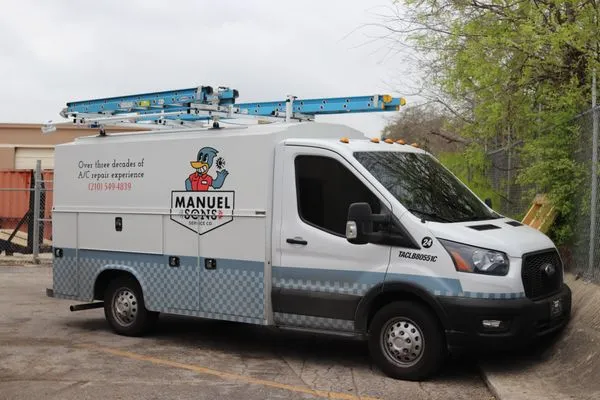
Manuel & Sons Service is a family-owned HVAC company serving San Antonio, TX since 1988. With over 30 years of experience, we specialize in heating and air conditioning installation, repair, and maint...
Home AC Repair
With over 21 years of experience serving San Antonio, Home AC Repair is a family-owned and operated HVAC company licensed by the state of Texas and fully insured. As EPA and NATE certified technicians...
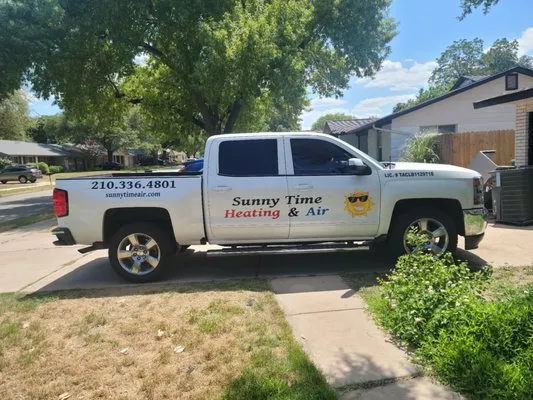
Sunny Time Heating & Air is your local, licensed, and bonded HVAC partner in San Antonio. We offer reliable heating and cooling solutions for homes and businesses, built on a foundation of genuine car...
Established in 2011 by Jerry Hernandez, Felix Air Services was founded on a simple principle: to provide San Antonio residents with honest, reliable HVAC service. We believe in building lasting relati...
Estimated HVAC Service Costs in Live Oak, TX
Q&A
Why do older HVAC systems in Live Oak seem to fail more often?
The average home in Live Oak was built around 1992, making many HVAC systems approximately 34 years old in 2026. At this age, components like condensate drain lines degrade, becoming prone to algae growth due to our humid climate. Flexible R-6 insulated ductwork from that era also develops micro-tears, reducing efficiency. Regular maintenance becomes critical as these systems exceed their typical 15-20 year design lifespan.
What should I do if my AC stops working during a Live Oak Main heatwave?
First, check your thermostat settings and circuit breakers. If the system remains off, our technicians dispatch from near Live Oak City Park, accessing I-35 for rapid transit across the area. We maintain a 5-10 minute response window for emergency no-cool calls in Live Oak Main. This quick access prevents extended heat exposure that can damage electronics and compromise indoor air quality.
How do the new 2026 SEER2 standards affect my energy bills?
The 14.3 SEER2 minimum requirement represents a 15% efficiency gain over previous standards. At Live Oak's 0.11/kWh utility rate, this translates to approximately $180 annual savings on a 3.5-ton system. The active HEEHRA rebate provides up to $8,000, making high-efficiency upgrades economically viable. Combining these factors yields a typical 3-5 year payback period for system replacements.
What permits and safety standards apply to new HVAC installations?
All installations require permits from the City of Live Oak Building Inspections Department. The 2026 A2L safety standards mandate specific leak detection systems and ventilation requirements for R-454B refrigerant, which carries mild flammability. Technicians must hold EPA Section 608 certification with A2L-specific endorsements. These regulations ensure safe handling of modern refrigerants while maintaining system efficiency and reliability.
Why does my AC struggle when temperatures approach 100°F?
Live Oak's 97°F design temperature represents the outdoor condition at which systems maintain 75°F indoors. When actual temperatures exceed this limit, capacity drops approximately 1.5% per degree. R-454B refrigerant maintains better performance in these extremes compared to older refrigerants, but all systems experience reduced efficiency. Proper sizing through Manual J calculations prevents chronic underperformance during peak heat events.
Can my current ductwork handle better air filtration for pollen and ozone?
Flexible R-6 insulated ductwork presents static pressure challenges with MERV-13 filters. While these filters capture April's pollen peak and mitigate ground-level ozone risk, they require careful evaluation of your existing system's airflow capacity. We measure static pressure before recommending upgrades, as improper filtration can reduce cooling capacity by 15-20% in Live Oak's design conditions.
What does an Ecobee E164 alert mean for my Live Oak HVAC system?
The Ecobee E164 code specifically indicates refrigerant pressure issues, often signaling low charge or airflow restrictions. In Live Oak's climate, this frequently correlates with condenser coil fouling from pollen and ozone-related particulates. Immediate attention prevents compressor damage, as R-454B systems operate at higher pressures than previous refrigerants. This smart alert enables proactive maintenance before complete system failure occurs.
Should I consider switching from gas heat to a heat pump in Live Oak?
Heat pumps offer viable alternatives given Live Oak's moderate winter lows and CPS Energy's 14:00-20:00 peak rate periods. Modern cold-climate models maintain efficiency down to 5°F, while the HEEHRA rebate reduces upgrade costs. The transition requires evaluating your home's thermal envelope and existing electrical service. During peak hours, heat pumps typically operate at 250-300% efficiency compared to gas systems' 80-95%.
